The Invisible Armor
How Nanoengineered Plasma Polymers Are Revolutionizing Modern Medicine
The Fourth State of Matter Meets Medicine
Imagine a world where medical implants seamlessly integrate with your body, resisting infections while releasing life-saving drugs on demand. This isn't science fiction—it's the promise of nanoengineered plasma polymer films, a frontier where physics, chemistry, and biology collide. Born from the same exotic state of matter that fuels stars and lightning, plasma polymers are ultra-thin coatings engineered at the nanoscale to transform ordinary biomaterials into "smart" medical devices. Unlike conventional polymers, these films defy traditional chemistry rules, creating highly crosslinked structures that cling to any surface like molecular armor 2 5 . With applications from infection-fighting implants to targeted drug delivery, this technology is quietly reshaping the future of healthcare.
Molecular Armor
Plasma polymer films create protective nanolayers that can resist bacterial colonization while promoting tissue integration.
Plasma Power
Harnessing the fourth state of matter enables unique material properties impossible with conventional chemistry.
Plasma Polymers Decoded
What Makes Plasma Polymers Unique?
Plasma polymerization harnesses ionized gas (plasma)—the fourth state of matter—to fragment organic precursors into reactive species. These fragments reassemble on surfaces, forming dense, pinhole-free films just nanometers thick. Key advantages include:
Universal Adhesion
They coat any material—metals, plastics, or ceramics—unlike finicky chemical techniques 5 .
The Nanoengineering Revolution
By manipulating structures at the nanoscale, scientists unlock unprecedented capabilities:
The Breakthrough Experiment – Nitrogen-Rich Films for Unbreakable Bone Implants
The Challenge
While plasma polymers enable biofunctionalization, their fragility in corrosive body fluids limited clinical use. A 2021 study tackled this by engineering mechanically robust nitrogen-rich films 3 .
Methodology: Precision Under Pressure
- Film Deposition: Nitrogen-containing compounds vaporized into a reactor with plasma activation.
- Characterization: X-ray spectroscopy measured carbon bonding while nano-scratch tests evaluated toughness.
- Biological Validation: Fibronectin proteins bound to films and osteoblast cells cultured to assess bone integration.

Results and Analysis: Nitrogen as the "Superglue"
| Nitrogen Atomic Concentration (%) | sp³/sp² Carbon Ratio | Hydrogen Content (%) | Scratch Resistance (GPa) |
|---|---|---|---|
| 5 | 0.85 | 28 | 1.2 |
| 10 | 0.72 | 22 | 2.1 |
| 15 | 0.58 | 17 | 3.5 |
Key Findings
- Higher nitrogen reduced hydrogen and sp³ bonding, creating denser networks
- 15% nitrogen films resisted scratches 3× better than low-nitrogen versions
- Zero degradation in simulated body fluid over 6 months
Biological Success
Osteoblast proliferation surged 40% on optimized films versus controls, proving enhanced bioactivity 3 .
| Film Type | Cell Attachment (24 h) | Proliferation (72 h) |
|---|---|---|
| Low-Nitrogen (5%) | Moderate | Low |
| High-Nitrogen (15%) | High | Very High |
Why It Matters
This study solved a decades-old weakness—plasma polymers' fragility—by revealing nitrogen as a robustness regulator. The films now withstand surgical handling and bodily environments, enabling reliable bone implants 3 .
The Scientist's Toolkit: Essential Reagents for Plasma Polymer Design
| Precursor | Functionality | Role in Biomaterials |
|---|---|---|
| Oxazoline | Reactive rings | Binds drugs via carboxyl groups |
| Acrylic Acid | Carboxyl groups | Promotes protein/cell adhesion |
| Tetramethylsilane | Siloxane networks | Enhances mechanical stability |
| Allylamine | Amine groups | Enables covalent protein attachment |
| Silver Nanoparticles | Embedded metal | Provides antibacterial action |
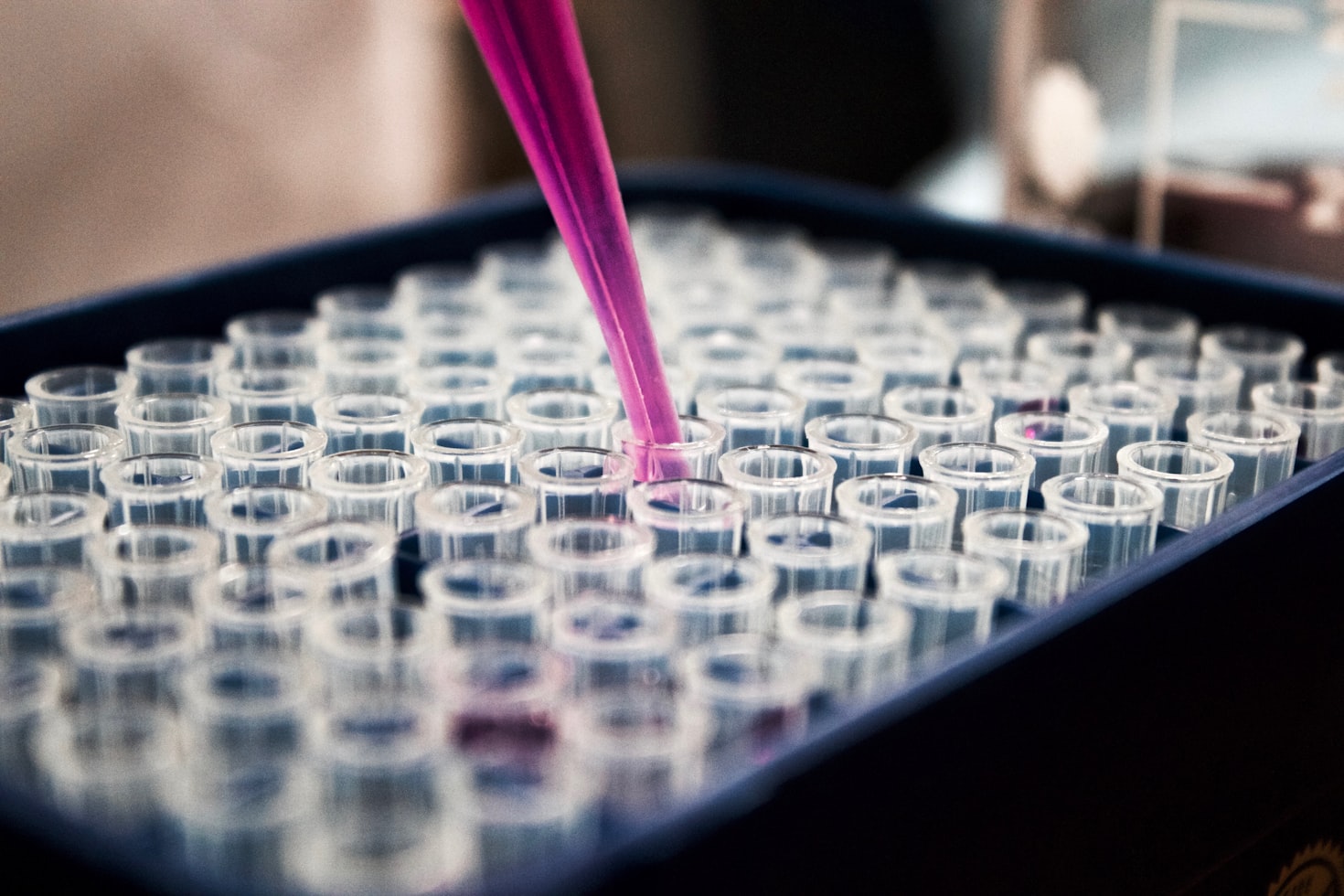
Precursor Selection
The choice of precursor determines the final film's chemical functionality and biological performance.

Plasma Deposition
Precise control of plasma parameters enables nanoscale engineering of film properties.
From Lab Bench to Bedside
Infection-Fighting Implants
Nano-films with embedded silver nanoparticles reduce bacterial adhesion by >98%, preventing biofilm formation on devices like hip replacements 1 .
Smart Drug Delivery
TiO₂ nanotube arrays coated with plasma polymers release antibiotics (e.g., vancomycin) or peptides on demand, treating infections locally .
Bone Regeneration
Films pre-loaded with osteogenic proteins (e.g., BMP-2) boost bone growth around dental implants by 50% .
"Plasma polymer coatings represent a paradigm shift in medical device design, enabling multifunctional surfaces that actively participate in the healing process rather than just passively existing in the body."

Challenges and Future Directions
Current Limitations
- Sterilization Sensitivity: Some drug-loaded films degrade during autoclaving .
- Regulatory Hurdles: Only 2% of lab innovations reach clinical use due to approval complexity .
The Invisible Shield of Tomorrow
Nanoengineered plasma polymers exemplify how mastering the nanoscale unlocks macro-scale miracles. By transforming inert materials into bioactive interfaces, they offer hope for infection-resistant surgeries, faster recoveries, and precision medicine. As researchers crack sterilization and scale-up challenges, this "invisible armor" may soon become standard in every operating room—proof that sometimes, the smallest layers make the biggest impact.
"In plasma, we found a painter's brush to redesign life at the molecular level."