Stealth Fighters in Your Body
The pH-Smart Polymer Revolutionizing Implant Safety
Decoding the Infection Battlefield
Pathogenesis as the Blueprint
Infections aren't random—they follow predictable steps:
- Bacterial colonization: Implant surfaces accidentally attract microbes during surgery
- Biofilm formation: Bacteria secrete protective slime, becoming 1000x more antibiotic-resistant
- Inflammation gone rogue: Immune cells swarm the site but get "stuck" in destructive mode, secreting acids (pH drops to 5.0–6.5) and damaging healthy tissue 9
The Folate Targeting Breakthrough
In 2024, scientists discovered a game-changer: inflamed human cells massively overexpress folate receptors (FOLR-1/FOLR-3)—even in non-cancerous contexts like gingival fibroblasts around dental implants 3 .
Folate (vitamin B9) isn't just a nutrient; it becomes a homing signal for drug delivery.
Molecular Imprinting: Crafting "Lock-and-Key" Polymers
Molecularly imprinted polymers (MIPs) are synthetic antibodies. Here's how they're made:
- Template binding: Folate molecules are surrounded by functional monomers
- Polymerization: Monomers cross-link into a hardened matrix (e.g., polycaprolactone, PCL)
- Template removal: Folate is extracted, leaving cavities that perfectly refit it
The result? PCL-MIP@FT—a biodegradable "sponge" that releases folate only in acidic infection zones.

Immunotherapy: From Destruction to Resolution
Unlike antibiotics, this approach reprograms immune responses:
- Folate binds FOLR on hyperactive immune cells, calming cytokine storms
- Promotes macrophage shift from destructive (M1) to healing (M2) phenotype
- Breaks the cycle of chronic inflammation, enabling tissue repair 7
Inside the Pivotal Experiment: Engineering Inflammation's "Off-Switch"
Methodology: Building and Testing the Polymer
Researchers followed a pathogenesis-guided roadmap 3 :
Step 1: Polymer Synthesis
- Created MIP nanoparticles via precipitation polymerization
- Core: Biodegradable polycaprolactone (PCL)
- Functional monomers: Methacrylic acid (for pH sensing)
- Cross-linker: Ethylene glycol dimethacrylate
- Template: Folate molecules (later removed)
Step 2: Acidic Release Profiling
- Bathed PCL-MIP@FT in buffers at pH 7.4 (healthy) vs. pH 5.5 (infected)
- Measured folate release daily for 7 days using HPLC
Step 3: Targeting Validation
- Stained human gingival fibroblasts from implant patients
- Checked for FOLR-1/FOLR-3 using immunofluorescence
Step 4: In Vivo Healing Test
- Implanted PCL-MIP@FT under skin of mice with infection-induced inflammation
- Monitored tissue inflammation (histology) and systemic toxicity (organ panels)
Results: Precision in Action
Table 1: Folate Release Kinetics
| Time (days) | pH 7.4 Release (µg/mL) | pH 5.5 Release (µg/mL) |
|---|---|---|
| 1 | 12.1 | 45.8 |
| 3 | 28.3 | 82.6 |
| 7 | 41.7 | 98.2 |
Data shows near-complete folate release only in acidic conditions after 7 days 3
Release Profile
Folate release comparison between healthy and infected conditions
Table 2: FOLR Receptor Expression
| Cell Type | FOLR-1 Expression | FOLR-3 Expression |
|---|---|---|
| Healthy fibroblasts | Low | Undetectable |
| Inflamed fibroblasts | High | High |
Confirms folate targeting viability in implant environments 3
Table 3: In Vivo Therapeutic Outcomes
| Treatment Group | Inflammation Reduction | Tissue Repair Markers | Systemic Toxicity |
|---|---|---|---|
| Untreated | None | None | None |
| Free folate | Moderate | Low | None |
| PCL-MIP@FT | Significant | High | Absent |
Superior healing with no toxicity up to 1.3 mg/kg 3
Analysis: Why This Changes Everything
- Targeted Delivery: Folate release at infected sites was 2.4x higher than in healthy tissue
- New Cell Target: First proof that fibroblasts (not just immune cells) overexpress FOLR in inflammation
- Dual Action: While folate lacks antibiotics' side effects, it altered biofilm nanomechanics, weakening bacterial defenses 3
The Scientist's Toolkit: Key Reagents Revolutionizing Anti-Infection Implants
Table 4: Essential Research Reagents for Smart Implant Development
| Reagent | Role | Why It Matters |
|---|---|---|
| Polycaprolactone (PCL) | Biodegradable polymer core | Safe, dissolves after delivering therapy |
| Methacrylic Acid | Functional monomer | Bonds with folate, responds to pH drops |
| Folate (Vitamin B9) | Therapeutic cargo & targeting ligand | Binds FOLR on inflamed cells |
| Ethylene Glycol Dimethacrylate | Cross-linker | Stabilizes polymer structure |
| Cholesteryl Hemisuccinate | Lipid component (in liposome versions) | Enhances cell membrane fusion |
| DSPE-PEG-Folate | Targeting coating (optional) | Boosts folate receptor binding |
Polymer Synthesis Process
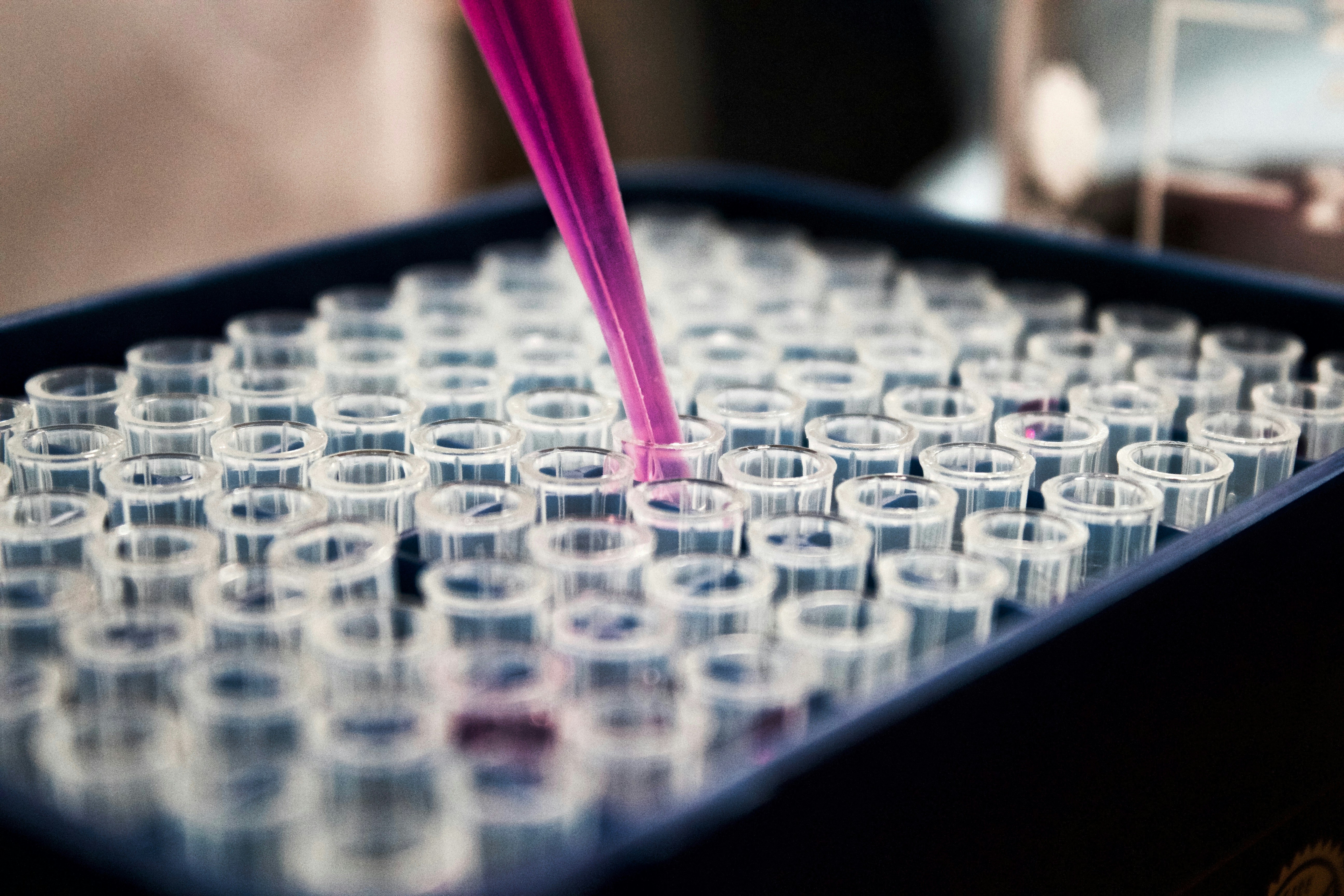
The precise combination of these reagents enables the creation of smart polymers that respond to biological conditions.
Targeting Mechanism

The folate receptors on inflamed cells serve as precise targeting markers for the polymer delivery system.
The Future of "Intelligent" Implants
This pH-responsive polymer isn't just a lab curiosity—it's a paradigm shift. By co-opting infection's own triggers (acidity) and targets (folate receptors), it resolves inflammation without antibiotics.
Researcher's Vision
"We're engineering materials that don't just resist biology—they converse with it."
For millions reliant on implants, this conversation could mean the difference between enduring pain and reclaiming life.
For further reading, see Costa et al. in Advanced Functional Materials (2024) DOI:10.1002/adfm.202406640