Silver Nanoparticles: The Ancient Healer Revolutionizing Modern Bone Repair
Harnessing nanotechnology to create smarter bone regeneration materials that fight infection and accelerate healing
Introduction
Imagine a world where a serious bone fracture from an accident or the effects of aging doesn't mean months of limited mobility and potential complications. Thanks to an exciting convergence of nanotechnology and medicine, that future is closer than ever.
The Rising Threat of Bone Infections
Implant-Associated Infections
Surgical sites are vulnerable to microbial contamination, leading to implant failure and revision surgeries 3 .
Biofilm Formation
Bacteria form structured communities that adhere to medical implants, offering protection and increasing antibiotic resistance by up to 1,000 times 4 .
Systemic Antibiotic Limitations
Traditional antibiotics may not effectively penetrate surgical sites and can carry toxicity risks for vital organs 3 .
Silver Nanoparticles: Ancient Healer, Modern Marvel
Enzyme Inhibition
Silver ions interact with sulfur-containing groups in bacterial proteins, disrupting essential functions 1 .
Why Size Matters
When silver is engineered into nanoparticles, its surface area-to-volume ratio increases dramatically, creating significantly more surface for interactions with microbial cells. This enhanced surface area, combined with unique quantum effects that occur at the nanoscale, gives AgNPs their exceptional bioactive properties 1 6 .
Multi-Target Approach
This multi-target approach is particularly valuable because it makes it difficult for bacteria to develop resistance, addressing a critical limitation of conventional antibiotics.
The Perfect Scaffold: Where Silver Meets Structure
AgNP-Polymer Nanocomposites (AgNP-PNCs)
These advanced materials combine the structural benefits of biodegradable polymers with the bioactive properties of silver 1 .
Key Advantages:
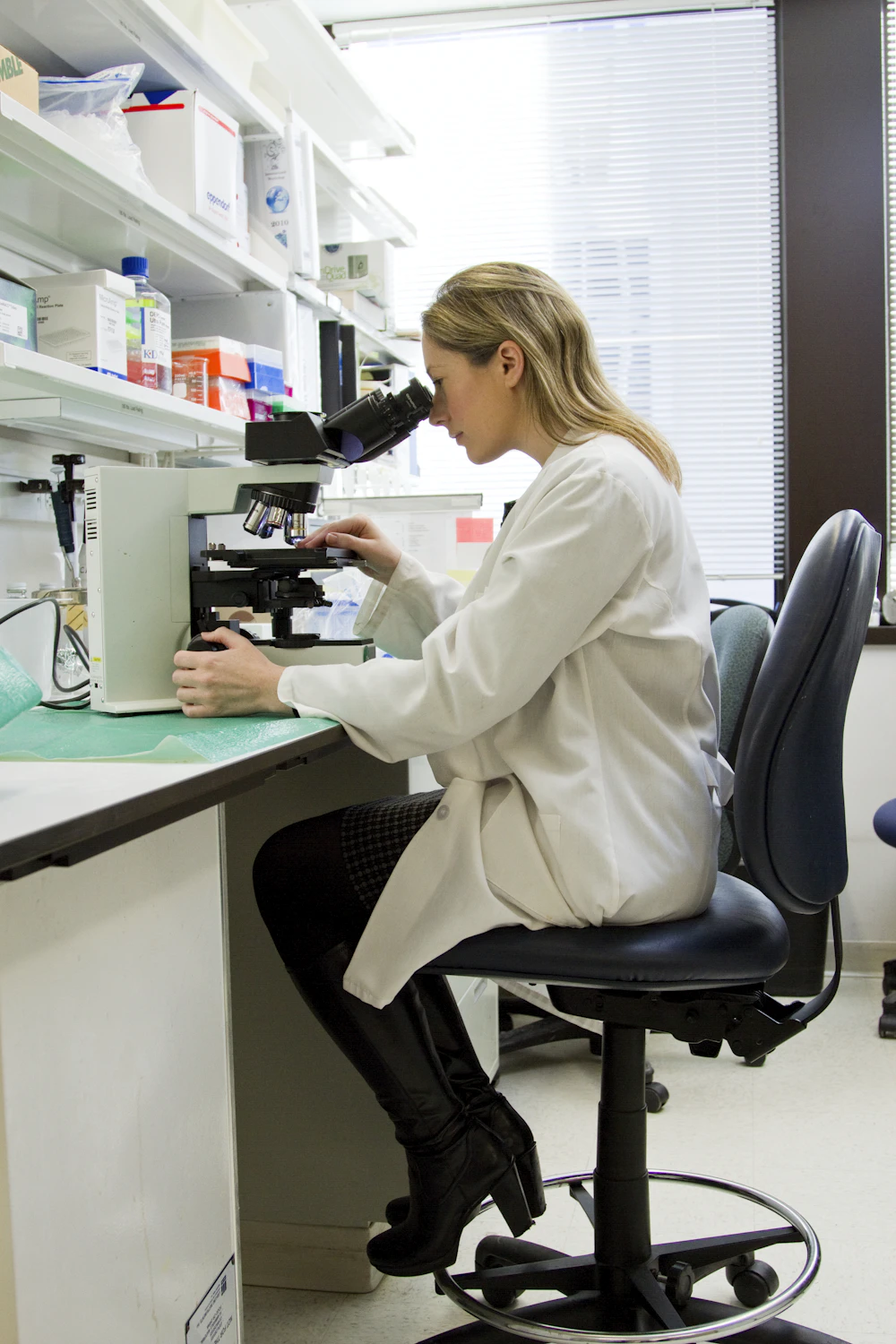
A Glimpse into the Lab: Testing Silver-Infused Scaffolds
Antimicrobial Efficacy
| Scaffold Type | Zone of Inhibition (mm) against S. aureus | Zone of Inhibition (mm) against E. coli | Biofilm Reduction (%) |
|---|---|---|---|
| Control (No AgNPs) | 0 | 0 | 0 |
| Low AgNP Concentration | 3.2 ± 0.5 | 4.1 ± 0.3 | 65 ± 8 |
| Medium AgNP Concentration | 5.7 ± 0.4 | 6.3 ± 0.6 | 82 ± 6 |
| High AgNP Concentration | 7.1 ± 0.6 | 8.2 ± 0.5 | 94 ± 3 |
Results show dose-dependent antimicrobial activity with higher silver concentrations producing larger zones of inhibition 4 .
Effects on Mesenchymal Stem Cells
| AgNP Concentration | Cell Viability (%) | Osteogenic Differentiation (ALP Activity) | Mineralization (Calcium Content) |
|---|---|---|---|
| 0 μg/mL (Control) | 100 ± 5 | 100 ± 8 | 100 ± 10 |
| 5 μg/mL | 95 ± 4 | 110 ± 9 | 105 ± 8 |
| 10 μg/mL | 85 ± 5 | 92 ± 7 | 88 ± 9 |
| 25 μg/mL | 65 ± 6 | 75 ± 8 | 70 ± 11 |
Lower concentrations support bone cell function without significant toxicity, while higher concentrations show adverse effects 3 .
Bone Regeneration Comparison
Beyond the Bone: Other Medical Applications
Challenges and the Path Forward
Current Challenges
Cytotoxicity Concerns
Determining optimal concentration that maximizes antimicrobial benefits while minimizing potential toxicity to human cells 1 3 .
Long-term Stability
Ensuring consistent performance over time as the scaffold degrades in the body 1 .
Scalable Manufacturing
Developing cost-effective, reproducible manufacturing processes for larger scales 1 8 .
Regulatory Hurdles
Navigating complex approval pathways for combination products with structural and therapeutic elements 1 .
Future Directions
Smart Scaffolds
Developing materials that can respond to their environment and release therapeutic agents on demand 5 8 .
Personalized Implants
Using 3D printing technologies to create implants tailored to individual patient anatomy 5 .
Advanced Delivery Systems
Creating systems that can release multiple growth factors in precise sequences to mimic natural healing 8 .
Green Synthesis Methods
Using plant extracts or biological systems instead of harsh chemicals for more biocompatible nanoparticles 6 .
Conclusion
Silver nanoparticle-based biomaterials represent a fascinating convergence of ancient healing wisdom and cutting-edge nanotechnology. By harnessing the unique properties of silver at the nanoscale, researchers are developing sophisticated bone regeneration scaffolds that simultaneously fight infection and support healing—addressing two of the most significant challenges in orthopedic medicine.
While questions about long-term safety and large-scale manufacturing remain, the rapid progress in this field offers genuine hope for future treatments that could transform recovery for millions of patients with bone fractures, defects, and degenerative conditions. As research advances, we move closer to a future where the phrase "break a bone" carries far less worry and significantly better outcomes than it does today.
The journey of silver from ancient healing cups to high-tech medical implants stands as a powerful testament to how revisiting traditional knowledge with modern tools can open revolutionary new paths in medicine.