Regenerative Surgery: Engineering the Future of Healing
From sutures to scaffolds: How tissue engineering is transforming general surgical practice
From Sutures to Scaffolds
Imagine a future where surgeons don't just remove diseased tissue or implant synthetic devices, but instead grow new organs in the operating room—personalized living constructs that integrate seamlessly into the body.
This isn't science fiction; it's the promise of regenerative surgery, a revolutionary approach that represents the most significant transformation in general surgical practice since the advent of anesthesia.
Traditional Surgery
- Creates new wound sites
- Risk of immune rejection
- Fails to restore full function
- Replaces rather than restores
Regenerative Surgery
- Harnesses body's healing capabilities
- Minimizes immune rejection
- Restores full function
- Regenerates rather than replaces
Regenerative surgery represents a paradigm shift that merges principles of engineering, biology, and medicine to create functional biological substitutes. This emerging field aims to harness the body's innate healing capabilities—directing and supercharging them to rebuild what disease or trauma has destroyed 4 .
The Building Blocks of Regeneration
The Regeneration Process
Scaffold Implantation
Biocompatible scaffold is placed in the defect site
Cell Seeding & Signaling
Cells populate scaffold with guidance from growth factors
Tissue Formation
Cells produce extracellular matrix and new tissue forms
Scaffold Degradation
Scaffold gradually breaks down as natural tissue replaces it
Functional Integration
New tissue integrates with surrounding structures
A Revolution in Tissue Fabrication
3D Bioprinting
This cutting-edge approach enables the precise layer-by-layer deposition of cells and biomaterials to create complex tissue structures 2 .
The Bioprinting Process:
- Imaging the defect using CT or MRI scans
- Designing a patient-specific 3D model
- Printing the construct using specialized "bioinks"
- Maturation in bioreactors that simulate physiological conditions
Decellularization-Recellularization
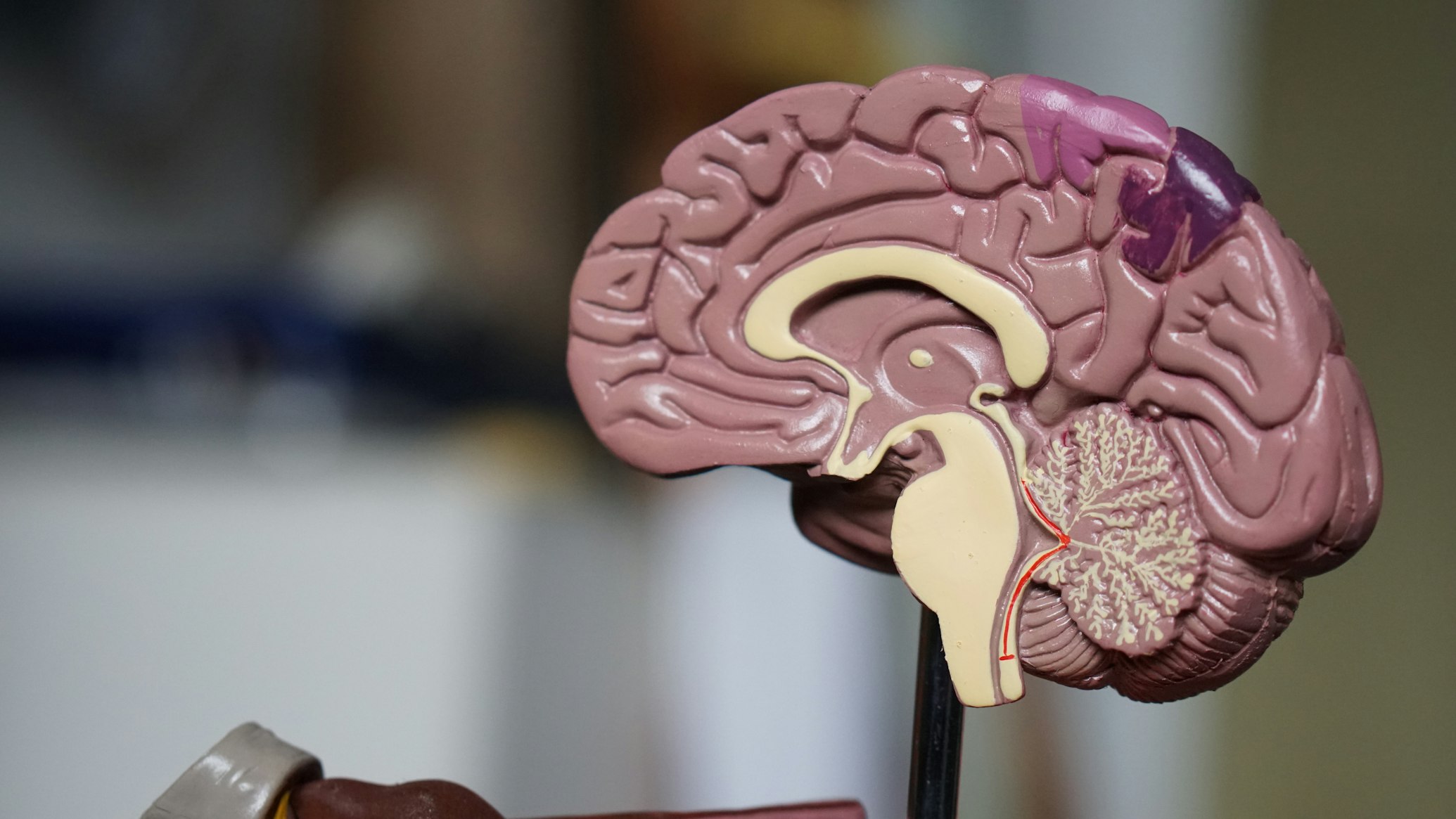
This approach uses nature's own designs by removing cellular material from donor tissues, leaving behind the intricate extracellular matrix scaffold 3 8 .
The Process:
- Decellularization: Remove all cellular material from donor tissue
- ECM Preservation: Maintain tissue structure and blood vessel networks
- Recellularization: Seed with patient's own cells
- Maturation: Culture to create personalized organ
"When combined with patient-derived cell lines, such scaffolds offer promising platforms for tissue regeneration due to their low antigenicity" 8 .
Case Study: The Discovery of Lipocartilage
In January 2025, an international research team led by the University of California, Irvine announced a discovery that exemplifies how basic science can open new doors for regenerative surgery.
Methodology
The research journey began with a forgotten 1854 observation by Dr. Franz Leydig, who had noted the presence of fat droplets in the cartilage of rat ears.
Research Approach:
- Advanced imaging techniques to visualize tissue structure
- Biochemical analysis of lipid composition
- Genetic profiling to identify molecular signatures
- Mechanical testing of tissue properties
- Comparative biology across mammalian species
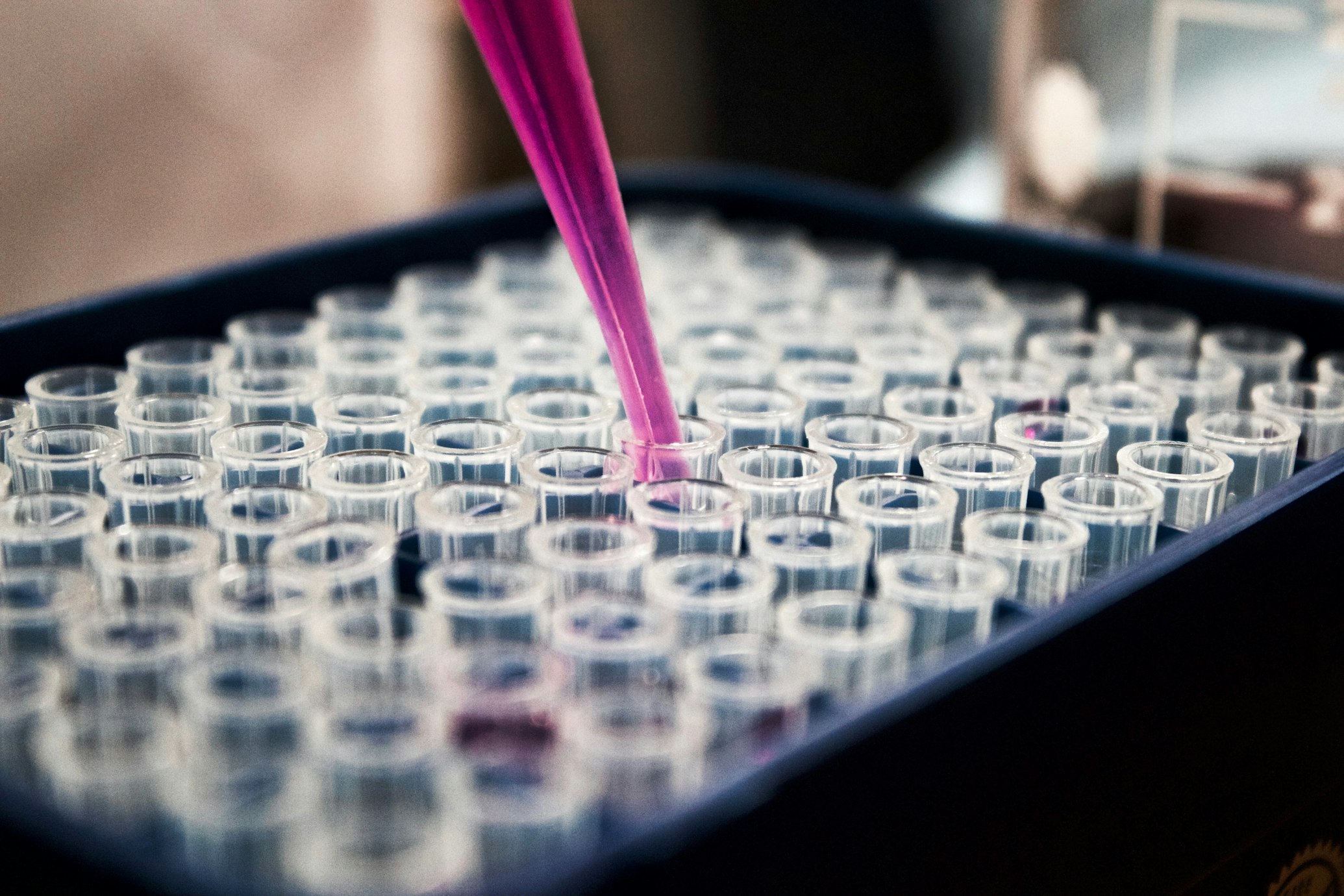
A crucial experiment involved delipidization—carefully removing the lipid contents from lipocartilage to observe how the mechanical properties changed 9 .
Results & Analysis
The research revealed that lipocartilage contains specialized fat-filled cells called "lipochondrocytes" that provide remarkable internal structural support.
| Property | Traditional Cartilage | Lipocartilage |
|---|---|---|
| Primary Support | External extracellular matrix | Internal lipid-filled cells |
| Stability | Varies with matrix composition | Super-stable, constant lipid reserves |
| Flexibility | Limited by collagen network | Highly compliant and elastic |
| Response to Nutrition | Indirectly affected | Independent of nutritional status |
The mechanical testing produced particularly striking results. When the team experimentally stripped lipids from lipocartilage, the tissue became stiff and brittle, demonstrating that the fat content was essential for its unique properties 9 .
Scientific Importance & Clinical Applications
The discovery of lipocartilage challenges long-standing assumptions in biomechanics about how tissues maintain structure and flexibility. From a regenerative surgery perspective, it offers exciting new possibilities, particularly for facial reconstruction where flexible, stable tissues are needed 9 .
"In the future, patient-specific lipochondrocytes could be derived from stem cells, purified and used to manufacture living cartilage tailored to individual needs. With the help of 3D printing, these engineered tissues could be shaped to fit precisely, offering new solutions for treating birth defects, trauma and various cartilage diseases."
Potential Applications
- Facial Trauma Reconstruction
- Congenital Ear Defects
- Rhinoplasty
- Vocal Cord Repair
The Regenerative Surgeon's Toolkit
| Reagent/Material | Function | Examples/Applications |
|---|---|---|
| Induced Pluripotent Stem Cells (iPSCs) | Patient-specific cell source that can differentiate into any cell type | Generating personalized tissues; disease modeling |
| Mesenchymal Stem Cells (MSCs) | Multipotent stem cells with immunomodulatory properties | Bone/cartilage regeneration; anti-inflammatory effects |
| Decellularized ECM | Tissue-specific scaffolding that preserves natural architecture | Organ engineering; provides biological cues for cell growth |
| Growth Factors (VEGF, FGF, TGF-β) | Signaling molecules that direct cell behavior | Stimulating blood vessel formation; guiding differentiation |
| Hydrogels | Hydrated polymer networks that mimic natural tissue environment | 3D bioprinting; drug delivery; wound healing |
| Bioreactors | Systems that provide physiological conditions for tissue maturation | Pre-implantation conditioning; mechanical conditioning |
| Bioinks | Formulations containing cells and biomaterials for 3D printing | Creating complex tissue architectures; personalized implants |
| Exosomes | Extracellular vesicles that carry bioactive molecules | Cell-free regenerative therapy; immunomodulation |
Research Progress Timeline
1990s
First tissue-engineered skin substitutes
2000s
Advancements in stem cell biology
2010s
3D bioprinting emerges as viable technology
2020s
Organoids and complex tissue constructs
Future
Whole organ engineering and clinical translation
Technology Adoption
Current adoption of regenerative technologies in surgical practice
The Future of Regenerative Surgery
Technological Convergence
Artificial intelligence and machine learning are increasingly being used to optimize biomaterial design, predict patient-specific outcomes, and refine bioprinting techniques 8 .
Ethical Considerations
The field faces important ethical questions regarding cell sources, human-animal chimeras, and ensuring equitable access to advanced therapies 1 .
Overcoming Challenges
Technical Hurdles:
- Ensuring adequate vascularization of engineered tissues
- Integrating engineered tissues with host tissues
- Controlling the degradation rate of scaffolds
- Restoring nervous system connections
Implementation Barriers:
- Manufacturing tissues in a cost-effective, scalable manner
- Navigating regulatory approval processes
- Training surgeons in new techniques
- Ensuring equitable access to advanced therapies
"Despite the advancements, the clinical implementation of these technologies faces several challenges. Technical hurdles must be addressed to enhance the efficacy and safety of these therapies" 2 .
A New Era in Surgery
Regenerative surgery represents a fundamental shift from replacing to restoring—from foreign implants to living tissues, from static solutions to dynamic biological integration.
"The future of tissue engineering and regenerative medicine lies in converging and leveraging emerging technologies... To achieve these goals, effective interdisciplinary collaboration will be essential to overcome the limitations currently faced." 8
In the coming decades, regenerative approaches may transform general surgical practice across numerous specialties—from reconstructing breasts after mastectomy with natural living tissue instead of implants, to repairing complex abdominal wall defects with functional muscle constructs, to creating personalized organ patches for heart failure patients.
The future surgeon will need to be not only a skilled technician but also a biological architect—mastering both the scalpel and the principles of tissue engineering. As this field continues to evolve, it promises to redefine the very possibilities of healing, moving us toward a future where we can not just treat disease but truly regenerate health.