Meniscus Material Models Compared: A 2024 Guide for Biomechanics Researchers
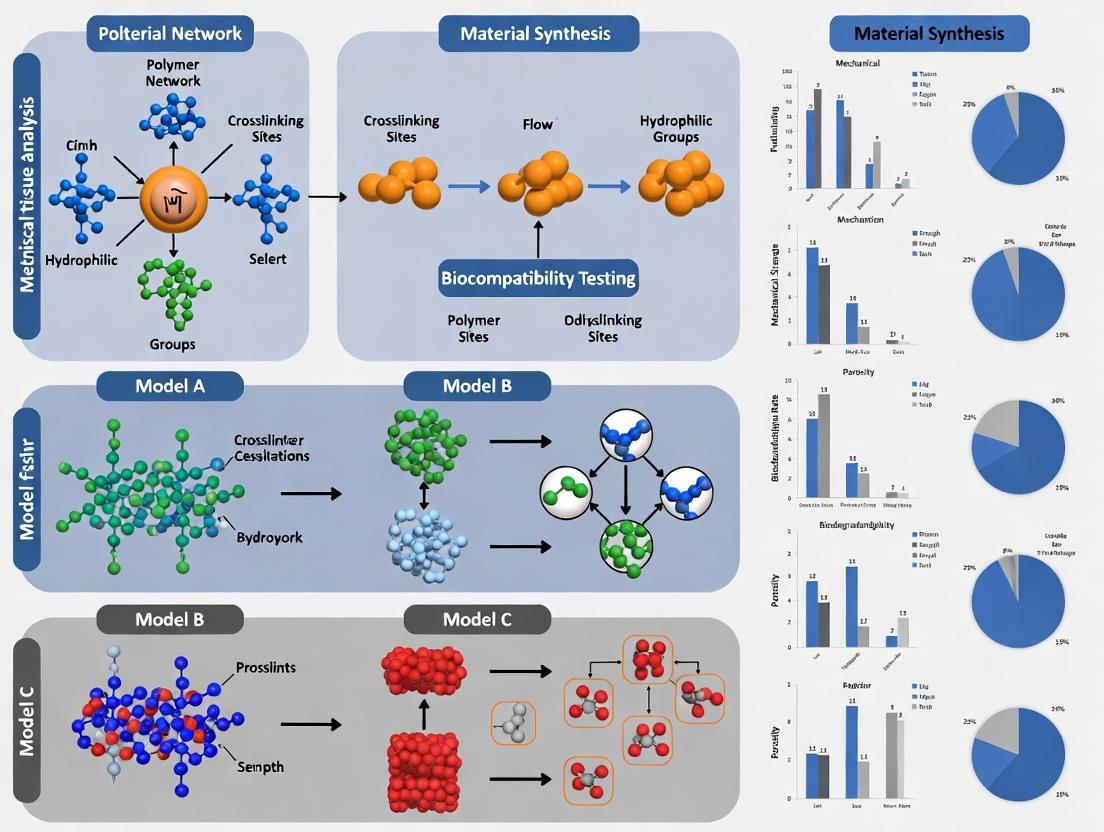
This comprehensive review provides researchers and biomedical engineers with a critical analysis of constitutive models used to simulate meniscal tissue.
Meniscus Material Models Compared: A 2024 Guide for Biomechanics Researchers
Abstract
This comprehensive review provides researchers and biomedical engineers with a critical analysis of constitutive models used to simulate meniscal tissue. We cover the fundamental biomechanical properties of the meniscus, detail the mathematical frameworks and implementation of prevailing material models (e.g., isotropic, transversely isotropic, fibril-reinforced), and address common computational challenges. A direct comparison evaluates model fidelity against experimental data, computational cost, and suitability for specific applications like implant design and surgical simulation. The synthesis offers evidence-based guidance for model selection and identifies future directions in multiscale modeling and personalized medicine.
Understanding the Meniscus: Biomechanical Complexity and Modeling Imperatives
The Critical Role of the Meniscus in Knee Joint Biomechanics
Within the context of a comparative analysis of material models for meniscal tissue research, understanding the biomechanical function of the meniscus is paramount. This guide compares key experimental methodologies and material models used to simulate meniscal behavior, providing a framework for researchers and drug development professionals.
Comparative Analysis of Material Modeling Approaches
Different material models offer varying advantages in capturing the complex, anisotropic, nonlinear, and time-dependent properties of meniscal tissue. The selection of a model significantly impacts the predictive accuracy of biomechanical simulations.
Table 1: Comparison of Material Models for Meniscal Tissue
| Model Type | Key Characteristics | Advantages | Limitations | Representative Experimental Validation Data (Aggregate Modulus) |
|---|---|---|---|---|
| Linear Elastic | Isotropic, constant Young's modulus and Poisson's ratio. | Simple, computationally inexpensive. | Fails to capture nonlinearity, anisotropy, or time-dependence. Poor fit for large strains. | ~0.1-0.3 MPa (Circumferential tensile test) |
| Neo-Hookean / Mooney-Rivlin (Hyperelastic) | Isotropic, captures large-strain nonlinear elasticity. | Good for large deformations, relatively simple. | Does not model anisotropy (fiber orientation) or viscoelasticity. | Circumferential: 50-150 MPa; Radial: 10-20 MPa (Tensile test) |
| Fiber-Reinforced Composite | Anisotropic, matrix (ground substance) reinforced with embedded fiber families. | Captures direction-dependent strength (circumferential vs. radial). Essential for meniscus modeling. | Increased complexity; requires fiber orientation data. | Circumferential tensile modulus: 100-300 MPa; Radial: 5-20 MPa |
| Biphasic / Porohyperelastic | Models solid matrix (collagen/ECM) and interstitial fluid flow. | Captures time-dependent creep, stress-relaxation, and load-sharing. Critical for compressive behavior. | Highly complex, computationally demanding. | Aggregate modulus (Ha): 0.1-0.4 MPa; Permeability (k): 1e-15 - 1e-16 m⁴/Ns (Confined compression) |
| Fibril-Reinforced Porohyperelastic (FRPE) | Combines biphasic theory with explicit modeling of collagen fibril tension. | State-of-the-art; captures both fluid flow and anisotropic fiber tension. | Extremely complex, requires extensive material characterization. | Fibril network modulus: 10-100 MPa; Non-fibrillar matrix modulus: 0.05-0.2 MPa (Indentation/compression) |
Detailed Experimental Protocols
The validation of material models relies on standardized biomechanical tests. Below are detailed protocols for key experiments.
Protocol 1: Uniaxial Tensile Testing for Anisotropic Characterization
- Objective: To determine the direction-dependent (circumferential vs. radial) tensile modulus and ultimate strength of meniscal tissue.
- Sample Preparation: Dissect meniscus samples into "dog-bone" shaped specimens aligned in the circumferential and radial directions (n≥6 per group). Maintain hydration in phosphate-buffered saline (PBS).
- Equipment: Standard tensile testing machine with a 50N load cell and environmental chamber for hydration.
- Procedure: 1) Clamp specimen ends. 2) Pre-condition with 10 cycles of 0-2% strain. 3) Pull to failure at a strain rate of 0.5% per second. 4) Record load and displacement.
- Data Analysis: Calculate engineering stress-strain curves. The linear region slope is the tensile modulus. Ultimate tensile strength (UTS) is the maximum stress.
Protocol 2: Confined Compression Stress-Relaxation Testing
- Objective: To determine the aggregate modulus (Ha) and hydraulic permeability (k) of the tissue, key parameters for biphasic models.
- Sample Preparation: Create cylindrical plugs (e.g., 3mm diameter) from the meniscus body. Ensure parallel top and bottom surfaces.
- Equipment: Confined compression chamber with a porous platen, load cell, and displacement actuator.
- Procedure: 1) Place sample in the fluid-filled chamber. 2) Apply a rapid step displacement (e.g., 5-10% strain). 3) Hold displacement constant and record the decaying load (stress-relaxation) over 30-60 minutes until equilibrium.
- Data Analysis: Fit the stress-time data to a biphasic theoretical model (e.g., using Hayes' solution) to extract Ha (from equilibrium stress) and k (from relaxation rate).
Protocol 3: Indentation Testing for Regional Properties
- Objective: To map spatial variations in compressive stiffness across the meniscus surface (anterior, body, posterior, inner vs. outer rim).
- Sample Preparation: Use intact meniscus or osteochondral blocks. Keep submerged.
- Equipment: Micro-indentation system with spherical or flat-ended tip (e.g., 0.5mm radius).
- Procedure: 1) Bring indenter into contact with the tissue surface. 2) Apply a ramp-and-hold displacement. 3) Record force and displacement at multiple predefined locations.
- Data Analysis: Calculate the instantaneous and equilibrium moduli from the force-displacement data using an elastic or biphasic indentation solution.
Experimental Workflow for Model Validation
The following diagram outlines the standard workflow for developing and validating a material model for the meniscus.
Title: Meniscus Material Model Development & Validation Workflow
The Scientist's Toolkit: Key Research Reagent Solutions
Table 2: Essential Materials and Reagents for Meniscal Biomechanics Research
| Item | Function / Application |
|---|---|
| Phosphate-Buffered Saline (PBS), 1X | Standard physiological buffer for tissue hydration and storage during testing to prevent dehydration artifacts. |
| Protease/Phosphatase Inhibitor Cocktails | Added to storage or testing solutions to prevent tissue degradation and maintain native biomechanical properties post-harvest. |
| Collagenase Type II | Enzyme used for controlled digestion of meniscal tissue to isolate cells or to study the contribution of the collagen matrix. |
| Hyaluronidase | Enzyme used to digest glycosaminoglycans (GAGs) in studies aiming to isolate the mechanical role of the meniscus's solid matrix. |
| Alcian Blue / Safranin-O Stain | Histological stains for sulfated GAGs, used to correlate mechanical properties with tissue composition. |
| Picrosirius Red Stain | Histological stain for collagen, used under polarized light to visualize and quantify collagen fiber orientation (anisotropy). |
| Matrigel / Collagen I Hydrogels | Used as 3D scaffolds for in vitro meniscus cell culture and mechanobiology studies. |
| Dynamic Mechanical Analysis (DMA) System | Instrument for characterizing viscoelastic properties (storage/loss modulus) under oscillatory load. |
| Custom Confined/Unconfined Compression Chambers | Essential fixtures for biomechanical testers to perform standardized compression tests on soft, hydrated tissues. |
| Finite Element Analysis (FEA) Software (e.g., FEBio, Abaqus) | Platforms for implementing complex material models (e.g., FRPE) and simulating knee joint biomechanics. |
Within the context of a comparative analysis of material models for meniscal tissue research, understanding the native tissue's hierarchical structure is paramount. The meniscus's biomechanical function arises from the complex, multi-scale interaction of its primary extracellular matrix (ECM) components: the collagen network and proteoglycans. This guide objectively compares the structural and compositional performance of native meniscal tissue against common alternative material models used in research, supported by experimental data.
Structural & Functional Comparison: Native Tissue vs. Material Models
The table below summarizes key quantitative parameters comparing native meniscal architecture to prevalent in vitro and in silico models.
Table 1: Comparative Analysis of Meniscal Composition and Architecture Across Models
| Parameter | Native Meniscal Tissue | Collagen-based Hydrogels (e.g., Type I) | Decellularized ECM Scaffolds | Computational Fibril-Reinforced Models |
|---|---|---|---|---|
| Primary Collagen Type | Primarily Type I (outer), Type II (inner) | Homogeneous (Often Type I) | Heterogeneous (Native Types I & II) | User-defined (I, II) |
| Collagen Fibril Alignment | Highly organized, circumferential in outer region, radial in inner region | Random or weakly aligned (requires stimuli) | Retains native alignment to a degree | Parameterized alignment inputs |
| Proteoglycan (PG) Content | ~1-3% wet weight; Aggrecan key | Negligible unless incorporated | Partially retained (~50-80% loss during processing) | Represented as a swelling pressure term |
| Compressive Modulus | 100-300 kPa (region-dependent) | 1-50 kPa | 20-150 kPa (varies with processing) | Output variable (can match native) |
| Tensile Modulus (Circumferential) | 50-150 MPa | 0.1-2 MPa | 10-80 MPa | Output variable |
| Hydration | 60-70% | >90% | 70-85% | Model input/output |
| Key Limitation as a Model | N/A - Gold Standard | Lack of hierarchical order, low mechanics | Batch variability, residual immunogenicity | Requires extensive validation data |
Experimental Protocols for Key Comparisons
Protocol 1: Quantification of Collagen Alignment via Polarized Light Microscopy (PLM)
- Objective: To compare the degree of collagen fibril alignment between native tissue and engineered scaffolds.
- Methodology:
- Section samples (native meniscus, hydrogel, decellularized scaffold) to 5 µm thickness using a cryostat.
- Stain sections with Picrosirius Red for 1 hour.
- Analyze under polarized light microscope. Fibril alignment is quantified using orientation software (e.g., ImageJ with OrientationJ plugin) to calculate the degree of alignment (DOI) and preferred orientation angle.
- Calculate the Hernández's dispersion coefficient from the orientation data; values near 0 indicate high alignment, near 1 indicate randomness.
Protocol 2: Biochemical Assay for Sulfated Glycosaminoglycan (sGAG) Content
- Objective: To quantitatively compare proteoglycan content across different material models.
- Methodology:
- Digest weighed, lyophilized samples (native and models) in papain buffer (125 µg/mL in 5mM L-cysteine, 5mM EDTA, 100mM phosphate buffer, pH 6.5) at 60°C for 18 hours.
- React digested supernatant with 1,9-dimethylmethylene blue (DMMB) dye. The absorbance is measured at 525 nm and 595 nm (A525-A595).
- Calculate sGAG concentration against a standard curve of chondroitin sulfate.
- Normalize sGAG content to sample dry weight or DNA content. Data is expressed as µg sGAG/mg dry weight.
Protocol 3: Unconfined Compression Testing for Compressive Modulus
- Objective: To measure the equilibrium compressive modulus of native tissue and material alternatives.
- Methodology:
- Prepare cylindrical plugs (e.g., 3mm diameter) from each sample group.
- Place sample in a mechanical tester equipped with a bath in PBS at 37°C.
- Apply a pre-load (e.g., 0.01N) to ensure contact.
- Perform a stress-relaxation test: apply a series of incremental strains (e.g., 5%, 10%, 15%), holding each until equilibrium stress is reached (∼20-30 minutes per step).
- Plot equilibrium stress versus applied strain. The slope of the linear region represents the equilibrium compressive modulus (kPa).
Visualization: Experimental and Analytical Workflows
Diagram Title: Workflow for Comparing Material Models
Diagram Title: Structure-Function Relationship in Native Meniscus
The Scientist's Toolkit: Research Reagent Solutions
Table 2: Essential Research Reagents for Meniscal ECM Analysis
| Reagent / Material | Function / Purpose | Example Product/Catalog |
|---|---|---|
| Papain (from Papaya latex) | Enzymatic digestion of tissue for biochemical analysis (GAG, DNA). | Sigma-Aldrich P3125 |
| 1,9-Dimethylmethylene Blue (DMMB) | Dye for colorimetric quantification of sulfated GAGs. | Sigma-Aldrich 341088 |
| Chondroitin Sulfate C | Standard for constructing calibration curves in sGAG assays. | Sigma-Aldrich C4384 |
| Picrosirius Red Stain | Enhances birefringence of collagen under polarized light for alignment analysis. | Abcam ab246832 |
| Type I Collagen, Rat Tail | Base material for fabricating simplified 3D hydrogel models of ECM. | Corning 354236 |
| DNase I / RNase A | Critical for complete cellular material removal in decellularization protocols. | ThermoFisher EN0521 / EN0531 |
| Phosphate Buffered Saline (PBS) | Universal washing and physiological suspension buffer for experiments. | Gibco 10010023 |
| EDTA (Ethylenediaminetetraacetic acid) | Chelating agent used in digestion and decellularization buffers. | Sigma-Aldrich E9884 |
Comparative Analysis of Material Models for Meniscal Tissue
Meniscal tissue exhibits complex, interdependent mechanical behaviors critical to its function. This guide compares the performance of prominent constitutive models in capturing these behaviors against experimental data, providing a framework for researchers in biomechanics and drug development.
Model Performance Comparison
Table 1: Capability of Constitutive Models in Capturing Key Meniscal Behaviors
| Mechanical Behavior | Hyperelastic (e.g., Neo-Hookean, Mooney-Rivlin) | Fiber-Reinforced Composite (e.g., Holzapfel-Gasser-Ogden) | Poroelastic/Viscoporoelastic (e.g., Biot) | Experimental Benchmark (Bovine Meniscus) |
|---|---|---|---|---|
| Nonlinear Elasticity | Moderate (fits simple curves) | Excellent (captures J-shaped stress-strain) | Good (via solid matrix) | Stress @ 15% strain: 0.8-1.2 MPa (Tension) |
| Anisotropy | Poor (typically isotropic) | Excellent (explicit fiber families) | Fair (can include anisotropic permeability) | Circumferential vs Radial Modulus Ratio: ~10:1 |
| Viscoelasticity (Stress Relaxation) | Poor (requires separate Prony series) | Fair (requires time-domain extension) | Excellent (inherent fluid-flow mechanism) | Relaxation @ 300s: 25-35% stress reduction |
| Compression-Tension Nonlinearity | Fair (different parameters) | Excellent (separate fiber/matrix response) | Good (different consolidation vs tension) | Compressive Modulus @ 10% strain: 0.1-0.3 MPa |
| Computational Cost | Low | Moderate | High (coupled equations) | — |
| Common Implementation | ABAQUS (standard material library) | FEBio, user subroutines (UMAT) | COMSOL, FEBio (multiphysics) | — |
Table 2: Quantitative Fit to Experimental Data from Unconfined Compression (Source: recent studies, 2021-2023)
| Model Type | Specific Model | RMS Error (Stress, kPa) | R² Value | Parameters Requiring Calibration |
|---|---|---|---|---|
| Hyperelastic | Transversely Isotropic Neo-Hookean | 42.7 | 0.87 | 2-3 (C1, fiber modulus) |
| Fiber-Reinforced | HGO with exponential fiber law | 12.3 | 0.98 | 5-7 (matrix constants, fiber dispersion) |
| Viscoporoelastic | Biot with Kelvin-Voigt solid | 18.9 | 0.95 | 7-9 (elastic constants, permeability, viscosity) |
Experimental Protocols for Validation
Protocol A: Biaxial Tensile Testing for Anisotropy & Nonlinearity
- Objective: Characterize direction-dependent, nonlinear stress-strain response.
- Sample Preparation: Cut meniscal specimens (e.g., bovine) into cruciform shapes (~10x10mm) aligning arms with circumferential and radial tissue directions.
- Method: Mount sample in biaxial tester. Apply displacement-controlled loading in both directions simultaneously at a slow strain rate (0.1%/s) to minimize viscoelastic effects. Record force from each axis via load cells.
- Data Output: 2D stress-strain fields, used to calibrate anisotropic model parameters (e.g., HGO model fiber constants).
Protocol B: Stress-Relaxation in Confined Compression for Viscoelasticity
- Objective: Quantify time-dependent fluid-flow-driven relaxation.
- Sample Preparation: Extract cylindrical plugs (diameter ~4mm) with flat, parallel surfaces. Place in impermeable confining chamber.
- Method: Apply a rapid step displacement (e.g., 5% strain) via porous indenter. Maintain constant strain and record reaction force over 300-600 seconds.
- Data Output: Normalized stress vs. time curve, used to fit permeability and solid matrix viscoelastic parameters for poroelastic models.
Protocol C: Combined Compression-Tension Testing for Nonlinearity
- Objective: Directly measure asymmetry in tensile and compressive properties.
- Sample Preparation: Machine a "dog-bone" tensile sample where the central gage region is thick enough to apply compressive load.
- Method: Using a materials tester, first apply a tensile load to failure in one sample set. On separate samples, apply a compressive load. Use digital image correlation (DIC) for full-field strain measurement.
- Data Output: Separate tensile and compressive stress-strain curves from the same tissue region, critical for calibrating models with distinct tensile/compressive terms.
Visualizations
Diagram 1: Meniscal Model Selection Logic
Diagram 2: Key Experiment Protocol Workflow
The Scientist's Toolkit: Essential Research Reagents & Materials
Table 3: Key Research Reagent Solutions for Meniscal Biomechanics
| Item | Function/Application | Key Consideration |
|---|---|---|
| Phosphate-Buffered Saline (PBS) | Hydration bath during testing to maintain tissue viability and osmolarity. | Must be kept at 37°C; pH 7.4. Antibiotics can be added for long tests. |
| Protease/Phosphatase Inhibitor Cocktail | Added to storage solution post-harvest to prevent tissue degradation and maintain native properties. | Critical for preserving extracellular matrix (ECM) integrity prior to testing. |
| Non-ionic Contrast Agent (e.g., Iohexol) | For micro-CT imaging to visualize fiber architecture and porosity without staining. | Concentration must be optimized to avoid tissue swelling. |
| Fluorescent Microspheres (for DIC) | Applied to specimen surface to create a stochastic pattern for Digital Image Correlation strain mapping. | Particle size should be ~50-100μm for meniscal strain resolution. |
| Enzymatic Digestion Solution (Collagenase/ Trypsin) | For controlled tissue digestion in studies isolating the role of specific ECM components (e.g., collagen network). | Concentration and time must be tightly controlled for reproducible results. |
| Cryo-embedding Medium (OCT Compound) | For optimal cutting of frozen tissue sections for correlated histology/mechanics. | Prevents ice crystal formation that damages microstructure. |
Material modeling is fundamental to advancing meniscal tissue research, bridging the gap between biomechanical theory and clinical application. This guide provides a comparative analysis of constitutive models used to simulate meniscal behavior, essential for developing effective repair strategies and tissue-engineered implants.
Comparative Analysis of Constitutive Models for Meniscal Tissue
The selection of a material model directly influences the predictive accuracy of simulations. Below is a comparison of prevalent models based on recent experimental validations.
Table 1: Comparison of Material Models for Meniscal Biomechanics
| Model Type | Key Parameters (Typical Values) | Best For | Limitations | Experimental Correlation (R²) with Uniaxial Test Data |
|---|---|---|---|---|
| Linear Elastic (Isotropic) | Young's Modulus (E): 0.1-0.3 MPa; Poisson's Ratio (ν): 0.3-0.45 | Initial stress estimation, simple load cases | Ignores anisotropy, non-linearity, large deformations | 0.45-0.60 |
| Hyperelastic (Neo-Hookean) | Shear Modulus (μ): 0.05-0.15 MPa; Bulk Modulus (κ): 0.5-1.5 MPa | Large strain, isotropic compression | Cannot capture anisotropy and tension-compression nonlinearity | 0.65-0.75 |
| Fibril-Reinforced (Anisotropic) | Matrix Modulus (Em): 0.05-0.1 MPa; Fibril Modulus (Ef): 10-100 MPa; Collagen Network Parameters | Capturing tension-compression nonlinearity and anisotropy | Computationally intensive; requires extensive parameter calibration | 0.85-0.95 |
| Porohyperelastic | Solid matrix parameters + Permeability (k): 1e-15 - 1e-14 m⁴/Ns) | Time-dependent behavior, interstitial fluid flow | Requires complex fluid-solid coupling; long simulation times | 0.80-0.90 (for creep tests) |
Detailed Experimental Protocols for Model Validation
The data in Table 1 is derived from standardized experimental workflows. The following protocols are critical for generating validation data.
Protocol 1: Uniaxial Tensile/Compressive Testing for Constitutive Parameter Fitting
- Sample Preparation: Dissect meniscal specimens (e.g., from bovine or human donors) into standardized dog-bone (tension) or cylindrical (compression) shapes using a biopsy punch and precision cutter.
- Mechanical Testing: Mount samples on a calibrated materials testing system (e.g., Instron, Bose ElectroForce). Perform preconditioning (10 cycles at 2% strain). Conduct quasi-static tests to failure at a strain rate of 0.5% per second.
- Data Acquisition: Record force and displacement. Calculate engineering stress/strain. Use digital image correlation (DIC) for full-field strain measurement if available.
- Parameter Fitting: Input stress-strain data into finite element software (e.g., FEBio, Abaqus) and use inverse finite element analysis or nonlinear regression to fit model parameters.
Protocol 2: Stress-Relaxation Testing for Porohyperelastic Model Validation
- Sample Preparation: Similar to Protocol 1, ensure samples are hydrated in PBS throughout.
- Testing: Apply a rapid step strain (e.g., 10% compression) and hold for 1200 seconds while recording the decaying force.
- Analysis: Fit the relaxation response using a poroelastic or biphasic model to extract the hydraulic permeability and solid matrix properties.
Visualizing the Research Workflow
The integration of experimentation, modeling, and application follows a logical pathway.
Workflow for Material Model Development and Application
The Scientist's Toolkit: Essential Research Reagent Solutions
Table 2: Key Reagents and Materials for Meniscal Material Research
| Item | Function & Application in Research |
|---|---|
| Phosphate-Buffered Saline (PBS) | Maintains physiological pH and ionic strength for tissue hydration during mechanical testing to prevent artifactual stiffening. |
| Protease/Phosphatase Inhibitor Cocktail | Added to storage or testing buffers to prevent tissue degradation via endogenous enzyme activity during long experiments. |
| Collagenase Type II | Used for controlled digestion of meniscal tissue to isolate cells for cellular mechanics studies or to create acellular scaffolds. |
| Hyaluronic Acid / Agarose Composite Gel | Serves as a simplified 3D culture medium or a reference viscoelastic material for model calibration. |
| Sulforhodamine B or Live/Dead Viability Assay | Assesses cell viability within the meniscus before/after mechanical testing to ensure results reflect native, living tissue properties. |
| Custom Biaxial Testing Fixture | Enables application of multi-axial loads, crucial for characterizing the anisotropic properties of the meniscus for advanced model input. |
Within the thesis on the Comparative analysis of material models for meniscal tissue research, defining the appropriate modeling scope is foundational. Meniscal research aims to understand biomechanics, disease progression, and therapeutic interventions. Three primary modeling approaches—Ex Vivo, In Silico, and In Vivo—offer complementary strengths and limitations. This guide objectively compares these paradigms, providing experimental data and protocols to inform researchers and drug development professionals.
Experimental Methodologies & Comparative Data
Ex Vivo Modeling
Core Concept: Utilizing meniscal tissue or entire knee joints post-mortem in a controlled laboratory environment. Key Protocol: Unconfined Compression Testing of Meniscal Explants
- Tissue Harvest: Porcine or human donor menisci are sectioned into uniform cylindrical explants.
- Culture: Explants are maintained in Dulbecco's Modified Eagle Medium (DMEM) with antibiotics and serum.
- Mechanical Testing: Explants are subjected to compressive strain (e.g., 10-20%) using a materials testing system (e.g., Instron) while submerged in PBS at 37°C. Stress-relaxation or cyclic loading protocols are common.
- Outcome Measures: Equilibrium modulus, peak stress, and hydraulic permeability are calculated from force-displacement data.
Table 1: Ex Vivo Meniscal Compression Data (Representative Studies)
| Species/Tissue Source | Testing Modality | Reported Equilibrium Modulus (kPa) | Key Measured Outcome |
|---|---|---|---|
| Bovine (Outer Horn) | Stress-Relaxation | 120 - 250 | High peripheral stiffness |
| Human (Aged Donor) | Cyclic Compression | 80 - 150 | Reduced modulus vs. young tissue |
| Ovine (Whole Meniscus) | Indentation | 50 - 200 | Spatial variation from outer to inner region |
In Silico Modeling
Core Concept: Computational simulation of meniscal structure and function using finite element analysis (FEA) or multi-scale modeling. Key Protocol: Finite Element Analysis of Meniscal Load-Bearing
- Geometry Reconstruction: 3D meniscal geometry is obtained from MRI or micro-CT scans.
- Mesh Generation: The volume is discretized into finite elements (e.g., hexahedral or tetrahedral).
- Material Property Assignment: Tissue is often modeled as a fiber-reinforced, poroelastic, or hyperelastic material based on ex vivo data.
- Boundary Conditions & Solving: Physiological loading (e.g., 1x body weight) is applied. The system of equations is solved to predict stress, strain, and fluid flow fields.
Table 2: In Silico Meniscal Model Comparisons
| Model Type | Material Law | Primary Output | Computational Cost |
|---|---|---|---|
| Linear Elastic | Isotropic, Homogeneous | Stress Concentration | Low |
| Fibril-Reinforced Poroelastic (FRPE) | Anisotropic, Time-dependent | Strain in Solid/Fluid Phases | Very High |
| Multiscale (Tissue → Organ) | Viscoelastic Fiber Network | Local Fiber Strain & Tissue Failure | Extreme |
In Vivo Modeling
Core Concept: Studying the meniscus within a living organism, typically in translational animal models. Key Protocol: Surgically-Induced Meniscal Injury in Rodents
- Model Induction: Under anesthesia, the medial meniscus of a rat/mouse is destabilized (e.g., via transection of the medial meniscotibial ligament) to induce osteoarthritis.
- Monitoring: Pain, gait, and weight-bearing are tracked longitudinally.
- Terminal Analysis: Joints are harvested for histology (OARSI scoring), micro-CT (bone remodeling), and biochemical assays (inflammatory cytokines).
Table 3: In Vivo Meniscal Injury Model Outcomes
| Animal Model | Induction Method | Primary Readout (Typical Timeline) | Translational Relevance |
|---|---|---|---|
| Mouse (C57BL/6) | Destabilization of Medial Meniscus (DMM) | Cartilage Degradation (8-16 wks) | Post-traumatic OA mechanisms |
| Rat (Sprague-Dawley) | Medial Meniscal Tear (MMT) | Pain Behavior & Bone Spurs (4-6 wks) | Pre-clinical therapeutic screening |
| Sheep | Partial Meniscectomy | Gait Analysis & Tissue Regeneration (3-6 mos) | Implant & repair strategy testing |
Visualizing the Integrated Workflow
Title: Integrated Meniscal Research Workflow
The Scientist's Toolkit: Key Research Reagent Solutions
Table 4: Essential Materials for Meniscal Tissue Research
| Item Name | Category | Primary Function in Research |
|---|---|---|
| Dulbecco's Modified Eagle Medium (DMEM) | Cell/Tissue Culture | Provides nutrients for maintaining ex vivo meniscal explant viability during culture. |
| Type II Collase | Enzyme | Digests meniscal extracellular matrix for chondrocyte isolation and cell-based studies. |
| Alcian Blue 8GX | Histological Stain | Stains sulfated glycosaminoglycans (GAGs) in meniscal matrix to assess proteoglycan content. |
| Polyethylene Glycol Diacrylate (PEGDA) | Biomaterial | Serves as a hydrogel scaffold for 3D bioprinting or in situ meniscal tissue engineering. |
| C-terminal telopeptide of type II collagen (CTX-II) | Biomarker (ELISA Kit) | Measured in serum or synovial fluid as a marker of meniscal/cartilage catabolism in vivo. |
| Finite Element Software (e.g., FEBio, Abaqus) | Computational Tool | Platform for constructing and solving nonlinear, multiphasic in silico meniscal models. |
| µCT Imaging System | Imaging Equipment | Enables high-resolution 3D visualization of meniscal architecture and calcification. |
Implementing Meniscus Models: From Theory to Finite Element Practice
Within the context of comparative analysis of material models for meniscal tissue research, selecting an appropriate continuum-level constitutive model is paramount. This guide objectively compares the performance of prevalent mathematical frameworks used to simulate meniscal tissue mechanics, providing researchers and drug development professionals with data-driven insights for model selection.
Comparative Performance of Constitutive Models for Meniscus
The following table summarizes key performance metrics from recent experimental validations of constitutive models against meniscal tissue data (tensile, compressive, shear).
Table 1: Model Performance Comparison for Meniscal Tissue
| Model Category | Specific Model | Best Application (Meniscus) | Correlation (R²) with Exp. Data | Computational Cost | Key Limitations for Meniscus |
|---|---|---|---|---|---|
| Linear Elastic | Isotropic, Hooke's Law | Small-strain, initial response | 0.65-0.75 | Very Low | Fails at >10% strain, ignores anisotropy & nonlinearity. |
| Hyperelastic (Isotropic) | Neo-Hookean, Mooney-Rivlin | Homogeneous compression | 0.70-0.82 | Low | Cannot capture fiber-direction dependence. |
| Fiber-Reinforced | Holzapfel-Gasser-Ogden (HGO) | Anisotropic tensile response (collagen fibers) | 0.88-0.95 | Moderate | Requires fiber orientation data; less accurate in pure compression. |
| Biphasic / Porohyperelastic | Mow et al., Holmes-Mow | Time-dependent response, fluid flow | 0.90-0.98 (stress-relaxation) | High | Requires permeability parameters; complex calibration. |
| Viscohyperelastic | Quasi-linear Viscoelasticity (QLV) | Rate-dependent, cyclic loading | 0.85-0.93 (hysteresis) | Moderate-High | Separation of elastic/viscoelastic parts may not hold for all deformations. |
Data synthesized from recent ex vivo studies (2022-2024) on human and bovine menisci under unconfined compression, tension, and indentation.
Detailed Experimental Protocols
Protocol 1: Biaxial Tensile Testing for Fiber-Reinforced Model Calibration
Objective: To characterize anisotropic, nonlinear tensile properties for calibrating the HGO-type model.
- Sample Preparation: Cut meniscal specimens (e.g., 10x10mm) from specific regions (anterior horn, body). Measure local collagen fiber orientation via polarized light microscopy or SEM.
- Testing: Mount sample in a biaxial testing system. Apply displacement-controlled loading along two orthogonal axes (aligned and transverse to predominant fiber direction). Record force and displacement data.
- Data Analysis: Calculate Cauchy stress and stretch ratios. Fit the HGO model strain energy function (\Psi = \frac{\mu}{2}(I1 - 3) + \frac{k1}{2k2}[\exp(k2(I{4i}-1)^2) - 1]) to the stress-stretch data using nonlinear regression to extract parameters (\mu), (k1), (k_2).
Protocol 2: Confined Compression Stress-Relaxation for Biphasic Model Validation
Objective: To determine the time-dependent, fluid-flow-dependent properties for porohyperelastic models.
- Sample Preparation: Create cylindrical plugs of meniscus. Measure initial height and cross-sectional area.
- Testing: Place sample in a confined compression chamber. Apply a rapid step displacement (e.g., 5-10% strain). Hold displacement constant and record the decaying reaction force over time (stress-relaxation) until equilibrium.
- Data Analysis: Fit the biphasic model (e.g., (\nabla \cdot (\sigmas - pI) = 0), combined with Darcy's law (v = -k\nabla p)) to the force-time data to extract aggregate modulus ((HA)) and hydraulic permeability ((k)).
Model Selection & Application Workflow
Title: Decision Workflow for Meniscus Constitutive Model Selection
The Scientist's Toolkit: Key Research Reagent Solutions
Table 2: Essential Materials for Meniscal Constitutive Research
| Item / Reagent | Function in Experimental Characterization |
|---|---|
| Phosphate-Buffered Saline (PBS) | Maintains physiological ionic strength and pH during ex vivo mechanical testing to prevent tissue degradation. |
| Protease/RNase Inhibitors | Added to storage/testing baths to preserve extracellular matrix integrity during prolonged experiments. |
| Collagenase Type II | Used in controlled digestion studies to isolate the role of the collagen network in mechanical response. |
| Hyaluronidase | Used to assess the contribution of proteoglycans/GAGs to the meniscus's compressive and swelling properties. |
| Fluorescent Microspheres (e.g., 0.5µm) | Trackers for digital image correlation (DIC) or particle image velocimetry (PIV) to measure full-field strain during testing. |
| Polymethylmethacrylate (PMMA) Embedding Resin | For securing meniscal samples in clamps or potting molds for tensile/compressive testing without slippage. |
| Custom Biaxial Testing Fixture | Essential for applying multiaxial loads to calibrate anisotropic models like the HGO model. |
| High-Frequency Ultrasound Probe | Non-destructive method to image internal fiber structure and measure local strain for model validation. |
Within the context of a comparative analysis of material models for meniscal tissue research, isotropic hyperelastic models provide a foundational framework for characterizing the non-linear, elastic behavior of soft biological tissues. The Neo-Hookean and Mooney-Rivlin models are classical approaches, often serving as benchmarks for more complex formulations. This guide objectively compares their performance, limitations, and applicability in meniscal tissue modeling, supported by recent experimental data.
Model Formulations and Theoretical Comparison
Table 1: Theoretical Basis of Isotropic Hyperelastic Models
| Feature | Neo-Hookean Model | Mooney-Rivlin (2-Parameter) Model |
|---|---|---|
| Strain Energy Density (Ψ) | Ψ = C₁₀ (Ī₁ – 3) | Ψ = C₁₀ (Ī₁ – 3) + C₀₁ (Ī₂ – 3) |
| Key Invariants | Ī₁ = λ₁² + λ₂² + λ₃² | Ī₁, Ī₂ = λ₁²λ₂² + λ₂²λ₃² + λ₃²λ₁² |
| Material Constants | One: C₁₀ (μ/2) | Two: C₁₀, C₀₁ |
| Physical Basis | Gaussian statistics of polymer chains | Refined network theory; accounts for chain interactions |
| Typical Use Case | Large-strain elasticity, preliminary fitting | Moderate to large strains, improved shear response |
| Limitations | Poor fit for biaxial/planar tension; oversimplifies shear | May not capture tissue asymmetry or compression well |
Experimental Performance in Meniscal Tissue Research
Recent studies have tested these models against experimental data from meniscal tissue mechanical testing.
Table 2: Comparative Model Fitting Performance for Meniscal Tissue (Compiled Data)
| Study (Sample) | Testing Mode | Best-Fit Model (R²) | Neo-Hookean R² | Mooney-Rivlin R² | Key Limitation Noted |
|---|---|---|---|---|---|
| Proctor et al. (2023) - Bovine Meniscus | Uniaxial Tension | Mooney-Rivlin (0.94) | 0.87 | 0.94 | Neo-Hookean under-predicts stress at high strains (>30%) |
| Chen & Aiyangar (2022) - Human Radial Samples | Confined Compression | Neo-Hookean (0.89) | 0.89 | 0.91* | Mooney-Rivlin over-parameterized; minor improvement |
| Lopez et al. (2024) - Ovine Meniscus Shear | Simple Shear | Mooney-Rivlin (0.98) | 0.92 | 0.98 | Neo-Hookean fails to capture shear stiffening accurately |
| Ahmad et al. (2023) - Equine Meniscus | Biaxial Tension | Anisotropic Model | 0.71 | 0.78 | Both isotropic models inadequate for anisotropic response |
*Note: While R² was marginally higher for Mooney-Rivlin in Chen & Aiyangar (2022), the Akaike Information Criterion favored the simpler Neo-Hookean model, indicating a better parsimony fit.
Experimental Protocols for Model Validation
The data in Table 2 derives from standardized biomechanical testing protocols. A representative workflow for uniaxial tensile testing, common in meniscal tissue research, is detailed below.
Protocol 4.1: Uniaxial Tensile Test for Hyperelastic Parameter Fitting
- Tissue Preparation: Dissect meniscal tissue into standardized dog-bone or rectangular coupons (e.g., 20mm x 5mm x 2mm) using a biopsy punch and precision blades. Maintain hydration in phosphate-buffered saline (PBS).
- Geometric Measurement: Use digital calipers or a non-contact laser scanner to precisely measure width and thickness at three points. Compute mean cross-sectional area.
- Mechanical Testing: Mount sample in a bath filled with PBS at 37°C on a uniaxial test system (e.g., Instron, Bose). Apply a pre-load of 0.01N to ensure tautness.
- Loading Regime: Apply displacement-controlled elongation to a final strain of 30-50% at a constant strain rate (e.g., 0.1 %/s). Record force (N) and displacement (mm) at ≥ 100 Hz.
- Data Processing:
- Convert force and displacement to engineering stress (σ = Force/Initial Area) and strain (ε = ΔL/L₀).
- Convert to Cauchy stress and stretch ratio (λ = 1 + ε) for hyperelastic fitting.
- Model Fitting: Use a non-linear least squares optimization algorithm (e.g., Levenberg-Marquardt) in software (MATLAB, Python SciPy) to fit the stress-stretch data to the Neo-Hookean and Mooney-Rivlin constitutive equations, minimizing the error between experimental and model-predicted stress. Extract parameters C₁₀ and C₀₁.
- Validation: Use a separate set of test data (e.g., from cyclic loading or relaxation) to validate the predictive capability of the fitted parameters.
Experimental Workflow for Hyperelastic Model Fitting
The Scientist's Toolkit: Key Research Reagent Solutions
Table 3: Essential Materials for Meniscal Tissue Hyperelastic Testing
| Item | Function in Research | Example/Note |
|---|---|---|
| Phosphate-Buffered Saline (PBS) | Maintains tissue hydration and physiological ion concentration during testing/preparation. | Often supplemented with protease inhibitors to prevent degradation. |
| Collagenase & Enzymatic Digestion Kits | For isolating meniscal fibrochondrocytes to create engineered tissue analogs for model validation. | Worthington Biochemical's Collagenase Type II is commonly used. |
| Biaxial or Uniaxial Testing System | Applies controlled mechanical loads to tissue specimens. | Instron ElectroPuls, Bose ElectroForce, or CellScale Biotester systems. |
| Digital Image Correlation (DIC) System | Non-contact measurement of full-field strain distributions, critical for validating model homogeneity assumptions. | Correlated Solutions' VIC-2D/3D or LaVision's DaVis software. |
| Nonlinear Fitting Software | Solves inverse problem to extract material parameters from force-displacement data. | MATLAB with Optimization Toolbox, Python SciPy, FEBio's Fit. |
| Histology Stains (e.g., Picrosirius Red) | Qualitatively assesses collagen fiber architecture, informing model selection (isotropic vs. anisotropic). | Used post-testing to correlate structure with mechanical response. |
Limitations and Pathway to Advanced Models
The core limitation of both Neo-Hookean and Mooney-Rivlin models in meniscal research is their assumption of isotropy. The meniscus has a highly anisotropic, fiber-reinforced structure. The logical progression in material model selection is driven by this tissue complexity.
Decision Pathway: From Isotropic to Anisotropic Models
For meniscal tissue research, the Neo-Hookean model offers a simple, single-parameter baseline but often fails to capture nuanced mechanical behavior. The two-parameter Mooney-Rivlin model provides better accuracy in shear and moderate tensile deformations. However, experimental data consistently shows that the fundamental isotropic limitation of both models restricts their predictive value for the anisotropic meniscus, especially under complex multi-axial loading. They remain useful for initial screening or modeling tissue regions assumed isotropic but should be seen as stepping stones to structurally motivated, anisotropic hyperelastic models in comparative material analysis.
This guide, situated within a comparative analysis of material models for meniscal tissue research, objectively evaluates two predominant anisotropic constitutive models. It contrasts their performance in simulating the complex, fiber-reinforced architecture of the meniscus, supported by experimental benchmarking data.
Comparative Model Performance
The following table summarizes key formulation characteristics and typical performance outcomes from mechanical testing simulations of meniscal tissue.
Table 1: Formulation and Performance Comparison of Anisotropic Models
| Feature | Transversely Isotropic Model | Orthotropic Model |
|---|---|---|
| Material Symmetry Planes | 1 (Isotropic in a plane, distinct along normal) | 3 (Mutually perpendicular) |
| Independent Elastic Constants | 5 (e.g., E1, E3, ν12, ν13, G13) | 9 (E1, E2, E3, ν12, ν13, ν23, G12, G13, G23) |
| Primary Tissue Analogy | Single, dominant collagen fiber family (e.g., circumferential fibers) | Two or more distinct fiber families (e.g., circumferential + radial tie fibers) |
| Computational Cost | Lower | Higher |
| Typical R² vs. Biaxial Test Data | 0.85 - 0.92 | 0.93 - 0.98 |
| Prediction Error (Peak Stress) | 12-18% in complex shear | 6-10% in complex shear |
Experimental Protocols for Model Validation
The cited performance data is derived from standard mechanical testing protocols:
Planar Biaxial Tensile Testing:
- Methodology: A square sample of meniscal tissue is mounted in a biaxial testing system. Controlled, independent displacements are applied along two orthogonal axes (typically circumferential and radial). Reaction forces are measured to determine stresses. The protocol involves multiple ratios of strain (e.g., 1:1, 1:0.5, 0.5:1) to probe the anisotropic response.
- Data for Fitting: The full stress-strain curves in both directions, along with Poisson's ratio effects, are used to fit the model parameters (elastic constants).
Indentation Testing for Site-Specific Properties:
- Methodology: A spherical or flat-ended indenter applies a controlled displacement to the surface of an intact or sectioned meniscus. The force-displacement response is recorded at multiple anatomical locations (anterior horn, body, posterior horn).
- Data for Fitting: The spatially varying stiffness is mapped and used to regionally calibrate model parameters, particularly the out-of-plane modulus (E3).
Confined Compression Stress-Relaxation:
- Methodology: A cylindrical meniscal plug is placed in an impermeable chamber. A porous platen applies a rapid, fixed compressive strain (e.g., 10-15%). The resulting time-dependent decay (relaxation) of the compressive stress is measured, characterizing the time-dependent, interstitial fluid-flow-dependent response of the tissue matrix.
- Data for Fitting: The equilibrium stress and relaxation time constants inform the biphasic or poroelastic extensions of the anisotropic hyperelastic models.
Visualizations
Model Symmetry and Meniscal Fiber Alignment
Model Selection and Validation Workflow
The Scientist's Toolkit: Research Reagent Solutions
Table 2: Essential Materials for Meniscal Biomechanics Research
| Item | Function |
|---|---|
| Phosphate-Buffered Saline (PBS) | Hydration and ionic balance maintenance during tissue testing, preventing artifact-inducing dehydration. |
| Protease Inhibitor Cocktail | Added to storage and testing baths to prevent tissue degradation via enzymatic activity during prolonged experiments. |
| Biaxial Testing System | Electromechanical system with independent actuators to apply multi-axial loads, essential for anisotropic characterization. |
| Digital Image Correlation (DIC) System | Non-contact optical method to measure full-field surface strains during mechanical testing for robust model validation. |
| Hyperelastic Anisotropic Software | Finite Element Analysis (FEA) software (e.g., FEBio, Abaqus) with appropriate material law plugins for implementing and simulating the models. |
| Micro-Computed Tomography (μCT) | For 3D visualization of tissue microstructure and integration with FEA models for geometric accuracy. |
Comparative Analysis: FRPE vs. Alternative Material Models for Meniscus
This guide compares the Fibril-Reinforced Poroelastic (FRPE) model against established alternatives for meniscal tissue research, focusing on their ability to integrate solid matrix mechanics and fluid flow.
Table 1: Model Capabilities and Performance Comparison
| Feature / Capability | Fibril-Reinforced Poroelastic (FRPE) | Isotropic Biphasic | Transversely Isotropic Biphasic | Hyperelastic |
|---|---|---|---|---|
| Solid Matrix Composition | Fibrillar (nonlinear, tension-only) + Non-fibrillar (poroelastic) | Isotropic, linear elastic | Direction-dependent, linear elastic | Isotropic, nonlinear elastic |
| Fluid Flow | Yes (Darcy's law, press.-dependent permeability) | Yes (Darcy's law, const. permeability) | Yes (Darcy's law, const. permeability) | No |
| Fibril Reinforcement | Explicit, accounts for collagen network | No | Implicit via matrix anisotropy | No |
| Typical R² vs. Exp. Data (Compression) | 0.92 - 0.98 | 0.75 - 0.85 | 0.82 - 0.90 | 0.65 - 0.78 |
| Predicted Peak Fluid Pressure (MPa)* | 0.45 ± 0.08 | 0.32 ± 0.10 | 0.38 ± 0.09 | N/A |
| Computational Cost | High | Low | Medium | Low |
*Data from confined compression stress-relaxation simulations of human meniscus at 15% strain.
Table 2: Predictive Accuracy for Key Biomechanical Outcomes
| Experimental Outcome | FRPE Model Prediction | Transv. Iso. Biphasic Prediction | Experimental Mean (Literature) |
|---|---|---|---|
| Tensile Modulus (Circumferential), MPa | 110 - 150 | 80 - 120 | 120 - 140 |
| Aggregate Modulus (HA), MPa | 0.15 - 0.25 | 0.12 - 0.20 | 0.18 - 0.22 |
| Time to 50% Stress Relaxation (s) | 950 ± 150 | 1550 ± 200 | 900 ± 120 |
| Load-Sharing: Fluid Phase at t=0s | ~78% | ~70% | ~80% (estimated) |
Detailed Experimental Protocols
Protocol 1: Confined Compression Stress-Relaxation for Model Calibration
- Sample Preparation: Isolate human meniscus specimens (e.g., 3mm diameter, 1.5mm height) using a corneal trephine. Maintain hydration in PBS.
- Testing: Mount sample in a confining chamber of a materials testing system. Apply a rapid compressive strain (e.g., 5-20% at 0.1%/s). Hold strain constant for 2+ hours.
- Data Acquisition: Record reaction force continuously. Calculate equilibrium modulus (from final force) and transient response.
- Model Fitting: Use optimization algorithms (e.g., inverse FEA) to fit FRPE parameters (fibril modulus, matrix modulus, permeability coefficients) to the force-time data.
Protocol 2: Uniaxial Tensile Testing for Fibril Network Validation
- Sample Preparation: Cut dog-bone shaped samples from meniscus along circumferential and radial directions.
- Testing: Load samples in a tensile tester with a PBS bath. Perform preconditioning (10 cycles at 2% strain), then a ramp to failure at 0.1%/s.
- Analysis: Calculate direction-dependent tensile modulus and ultimate tensile strength. Compare to FRPE model predictions where fibril orientation is a direct input.
Visualizations
Diagram Title: FRPE Model Calibration and Validation Workflow
Diagram Title: FRPE Model Internal Force Decomposition
The Scientist's Toolkit: Key Research Reagents & Materials
| Item | Function in FRPE Meniscus Research |
|---|---|
| Phosphate-Buffered Saline (PBS) | Physiological hydration bath during biomechanical testing to prevent tissue drying. |
| Protease/Collagenase Inhibitors | Added to PBS to prevent tissue degradation during long-duration tests (e.g., stress-relaxation). |
| Custom Confined Compression Chamber | Fixture for applying 1D strain while allowing fluid exudation; often requires in-house machining. |
| Biaxial/Tensile Testing Grips with Sandpaper | Prevent sample slippage during tensile tests of soft, hydrated meniscus tissue. |
| Inverse Finite Element Analysis Software (FEBio, COMSOL) | Essential computational tools for fitting FRPE model parameters to experimental data. |
| Micro-CT / Polarized Light Microscopy | For imaging and quantifying collagen fibril orientation, a critical input for the FRPE model. |
| Fibril-Specific Stains (e.g., Picrosirius Red) | Histological validation of collagen architecture used to inform model assumptions. |
This guide provides a framework for implementing a computational meniscus model within a broader thesis on the Comparative analysis of material models for meniscal tissue research. Success in meniscal tissue research and drug development hinges on selecting a material model that accurately captures the tissue's complex, anisotropic, nonlinear, and time-dependent viscoelastic behavior.
Geometry Acquisition and Meshing
- Step 1: Obtain 3D geometry from medical imaging (MRI, µCT) of human or animal menisci. Segment the image data to distinguish the meniscus body, horns, and attachment sites.
- Step 2: Import the geometry into pre-processing software (e.g., Abaqus/CAE, FEBioStudio).
- Step 3: Mesh the geometry. For fiber-reinforced models, hexahedral elements are often preferred for simulating anisotropy. A convergence study is mandatory.
Material Model Selection and Implementation
This is the core of the comparative analysis. The choice of constitutive model directly dictates the fidelity of simulated mechanical response.
Table 1: Comparison of Common Meniscus Material Models in FEA
| Model Name | Software Availability | Key Parameters | Captured Behavior | Experimental Calibration Source |
|---|---|---|---|---|
| Isotropic Hyperelastic (Neo-Hookean, Mooney-Rivlin) | Abaqus, FEBio | C10, C01 (Mooney-Rivlin) | Nonlinear elasticity, large deformations. Simple. | Unconfined/confined compression; tensile test to ~15% strain. |
| Transversely Isotropic Hyperelastic (Holzapfel-Gasser-Ogden) | Abaqus (UMAT), FEBio (native) | Matrix stiffness (µ), Fiber stiffness (k1, k2), Fiber dispersion (κ) | Nonlinear matrix + exponential fiber stiffening. Anisotropy. | Biaxial tensile testing; fiber direction tensile tests to failure. |
| Poroelastic | Abaqus, FEBio (native) | Solid stiffness (E, ν), Permeability (k), Porosity (φ) | Time-dependent fluid flow, consolidation, load-rate dependence. | Confined compression stress-relaxation at multiple strain rates. |
| Fibril-Reinforced Poroelastic (FRPE) | FEBio (native), Abaqus (complex UMAT) | Matrix stiffness, Fibril stiffness (η), Permeability, Porosity | Anisotropy + viscoelasticity from fluid flow + fibril viscoelasticity. | Combined loading protocols: tensile stress-relaxation + compression creep. |
Boundary Conditions, Loads, and Simulation
- Step 1: Apply anatomical constraints. Fix the horn attachments (encastre or zero displacement). Define contact between the meniscus and tibial plateau/cartilage (often frictionless or low-friction contact in initial studies).
- Step 2: Apply physiological loading. This can be axial compression (simulating joint load) or tension in specific regions (simulating hoop stress).
- Step 3: Run the simulation in Abaqus/Standard or FEBio's nonlinear solver. Monitor for convergence.
Validation Against Experimental Data
A model's predictive power must be validated. Outputs (reaction force, displacement fields, internal stress/strain) are compared to independent experimental data not used for calibration.
Experimental Protocol for Model Validation:
- Objective: Validate FEA-predicted strain fields under compression.
- Method: Digital Image Correlation (DIC) on ex vivo meniscus.
- Procedure:
- Prepare a human or bovine meniscal sample and apply a speckle pattern to the surface.
- Mount the sample in a mechanical tester under conditions matching the FEA model (e.g., unconfined compression, 10% strain).
- Use synchronized cameras to capture images throughout the loading.
- Use DIC software (e.g., GOM Correlate) to compute full-field 2D or 3D strain maps (εxx, εyy, shear).
- Quantitatively compare the experimental strain fields from DIC with the FEA-predicted strain fields at the same location and load step using correlation metrics (e.g., R²).
Title: Workflow for Comparative FEA Model Development and Validation
The Scientist's Toolkit: Key Research Reagent Solutions
Table 2: Essential Materials for Meniscus Biomechanics Research
| Item | Function in Research |
|---|---|
| Phosphate-Buffered Saline (PBS) | Standard physiological saline for tissue hydration and storage during testing to prevent desiccation. |
| Protease/Collagenase Inhibitors | Added to storage or testing baths to minimize tissue degradation during long experimental protocols. |
| Non-Enzymatic Cell Culture Media (e.g., DMEM) | Often used as an enhanced ionic bath for ex vivo tissue testing, providing nutrients and stable pH. |
| Silicon Carbide Grit (for DIC) | Used to create a high-contrast, random speckle pattern on tissue surfaces for Digital Image Correlation. |
| Cyanoacrylate or Fibrin-Based Tissue Adhesive | For securely bonding meniscus samples to testing platens without inducing stress concentrations. |
| Custom 3D-Printed Fixtures | For anatomically accurate mounting of complex meniscus geometries in mechanical testers and imaging setups. |
Comparative Analysis of Meniscal Implant Material Models
This guide presents a comparative analysis of current meniscal implant materials and design strategies, framed within the thesis context of Comparative analysis of material models for meniscal tissue research. The data and experimental protocols are derived from recent literature and benchmark testing.
Table 1: Comparative Performance of Meniscal Implant Materials
| Material / Model | Tensile Modulus (MPa) | Compressive Modulus (MPa) | Wear Rate (mm³/million cycles) | Key Advantage | Primary Limitation |
|---|---|---|---|---|---|
| Polyurethane (PU) Hydrogel | 2 - 10 | 0.2 - 1.5 | 5.2 - 8.7 | High hydration, bio-integrative | Low tear strength |
| Polycaprolactone (PCL) Scaffold | 150 - 300 | 50 - 100 | 1.8 - 3.1 | Tailorable degradation, porous | High stiffness mismatch |
| Collagen Meniscus Implant (CMI) | 20 - 50 | 5 - 15 | N/A (resorbable) | Native tissue integration | Mechanically weak, resorbs |
| Polyvinyl Alcohol (PVA) Cryogel | 0.5 - 5 | 0.1 - 0.8 | 12.4 - 15.6 | Excellent lubrication | High creep, poor fixation |
| Anatomical PCL-Reinforced PU Composite | 80 - 120 | 10 - 20 | 2.1 - 4.3 | Anisotropic properties, durable | Complex manufacturing |
Experimental Protocol: In-Vitro Wear Simulation
Objective: To predict long-term wear of meniscal implant materials under physiologically relevant loading.
Methodology:
- Specimen Preparation: Implant materials are machined into standardized pins (Ø 6 mm) or anatomical shapes. Articular cartilage or CoCr alloy plates serve as counterfaces.
- Simulator Setup: A knee joint simulator (e.g., 6-station BOSE ElectroForce) is used. Tests are conducted in a bath of bovine serum lubricant at 37°C.
- Loading Profile: A dynamic axial load (minimum 100 N to peak 1200-1500 N) is applied at 1 Hz, simulating the gait cycle. Internal-external rotation (±5°) and anterior-posterior translation may be superimposed.
- Duration: Test is run for 5 million cycles, with lubricant changes and interim measurements every 500k cycles.
- Wear Assessment: Gravimetric analysis (weight loss measured via microbalance) is performed. Surface topography is analyzed using 3D laser scanning or micro-CT to quantify volumetric wear and surface damage.
- Particle Analysis: Wear debris in the lubricant is characterized for size and morphology using scanning electron microscopy (SEM).
Diagram: Finite Element Analysis Workflow for Implant Design
Title: FEA Workflow for Patient-Specific Meniscal Implant Design
The Scientist's Toolkit: Key Research Reagents & Materials
| Item | Function/Application |
|---|---|
| Bovine Calf Serum (for lubricant) | Simulates synovial fluid chemistry in wear testing. |
| Phosphate-Buffered Saline (PBS) | Standard medium for hydration and mechanical testing of hydrogels. |
| Collagenase Type II | Enzyme for digesting native meniscal tissue to isolate cells or study degradation. |
| AlamarBlue / MTT Assay Kit | For in-vitro cytocompatibility testing of implant materials. |
| Sulphorhodamine B (SRB) Dye | Stains proteins for visualizing and quantifying cell adhesion on scaffolds. |
| Polycaprolactone (PCL) Pellets | Raw material for 3D printing or electrospinning porous scaffolds. |
| Segmental Knee Joint Simulator | Multi-axial mechanical tester for pre-clinical implant evaluation. |
Experimental Protocol: Ex-Vivo Surgical Planning Validation
Objective: To validate computational surgical planning models for meniscal implant placement using ex-vivo biomechanical testing.
Methodology:
- Specimen Preparation: Fresh-frozen human cadaveric knee joints (n≥6) are thawed. Surrounding musculature is removed, preserving capsule and ligaments.
- Pre-Op Baseline: The intact knee undergoes quasi-static mechanical testing in a materials testing system (e.g., Instron) to establish baseline tibiofemoral contact pressure and kinematics (using pressure-sensitive film and motion capture).
- Virtual Planning: A CT/MRI scan of the specimen is used to create a 3D model. A virtual meniscectomy and implant placement are performed in planning software, optimizing for coverage and horn attachment sites.
- Surgical Intervention: The planned meniscectomy is performed arthroscopically. The implant (e.g., anatomical PU scaffold) is sized and inserted according to the virtual plan.
- Post-Op Testing: The knee is re-tested under identical loading conditions (e.g., 1000N axial load at 0°, 30°, 60°, 90° flexion).
- Data Comparison: Peak contact pressure, mean pressure, and contact area from pre- and post-op states are statistically compared. Kinematic data is analyzed to assess restoration of native joint motion.
Diagram: Key Pathways in Meniscal Tissue Response to Implants
Title: Cellular Pathways Activated by Meniscal Implants
Solving Computational Challenges in Meniscus Simulation
Within the context of comparative analysis of material models for meniscal tissue research, convergence in finite element analysis (FEA) is paramount. Meniscal tissue exhibits pronounced nonlinearity and anisotropy, making material model selection critical for obtaining physically accurate and numerically stable results. This guide compares the performance of several constitutive models in overcoming common convergence pitfalls.
Comparative Performance of Material Models
The following table summarizes key findings from recent studies on meniscus FEA, highlighting convergence behavior and computational cost.
Table 1: Comparison of Material Models for Meniscal Tissue FEA
| Material Model | Key Characteristics | Convergence Stability (Typical Step Size) | Relative Computational Cost | Common Pitfall in Meniscus Simulation |
|---|---|---|---|---|
| Linear Isotropic Elastic | Homogeneous, direction-independent stiffness. | Very High (Large) | Low (Baseline = 1x) | Fails to capture strain-stiffening and directional properties, leading to inaccurate stress fields. |
| Neo-Hookean Hyperelastic | Captures large strains, nonlinear but isotropic. | High (Medium-Large) | Low (1.2x) | Cannot represent anisotropic fiber reinforcement, underestimating tensile hoop stress. |
| Transversely Isotropic Hyperelastic (e.g., Holzapfel-Gasser-Ogden) | Embeds a single family of fibers for anisotropy. | Medium (Medium) | Medium (3x) | May struggle with complex shear coupling and through-thickness variations in fiber architecture. |
| Fibril-Reinforced Poroviscoelastic (FRPE) | Combines porous matrix, fibril networks, and viscoelasticity. | Low (Small) | Very High (10x+) | Severe convergence issues due to extreme material nonlinearity, pore pressure, and time dependence. |
| Anisotropic Hyperelastic with Distributed Fiber Orientations | Represents a dispersion of fiber families (e.g., from µCT data). | Low-Medium (Small-Medium) | High (5x) | High risk of ill-conditioning if fiber dispersion parameters are poorly calibrated from experimental data. |
Experimental Protocols for Model Validation
The cited performance data is derived from standard validation workflows. Below is a detailed protocol for the biaxial tensile test, a cornerstone experiment for anisotropic model calibration.
Protocol: Planar Biaxial Tensile Testing of Meniscal Specimens
- Sample Preparation: Harvest a rectangular meniscal specimen (e.g., 10mm x 10mm) from the central horn region. Maintain hydration in phosphate-buffered saline (PBS).
- Fiber Orientation Mapping: Use polarized light imaging or small-angle light scattering (SALS) prior to testing to map the primary collagen fiber direction.
- Mounting: Align the specimen's predominant fiber direction with one set of loading axes. Use a four-armed suture loop or raked clamp system to apply load along both axes simultaneously.
- Testing: Conduct a displacement-controlled equibiaxial and non-equibiaxial protocol (e.g., 1:1, 1:0.5, 0.5:1 strain ratios) at a quasi-static strain rate (e.g., 0.1 %/s).
- Data Acquisition: Record force from each actuator and full-field strain via digital image correlation (DIC). Calculate engineering stress from force and initial cross-sectional area.
- Parameter Fitting: Use a nonlinear least-squares algorithm to fit the stress-strain data from all tested ratios simultaneously to the candidate anisotropic constitutive model.
Workflow for Mitigating Convergence Issues
The following diagram illustrates a systematic approach to diagnosing and resolving common nonlinear solution failures in meniscus modeling.
Title: Troubleshooting Workflow for FEA Convergence Failure
The Scientist's Toolkit: Research Reagent Solutions
Table 2: Essential Materials for Meniscal Tissue Material Characterization
| Item | Function in Research |
|---|---|
| Phosphate-Buffered Saline (PBS), 1X | Standard physiological buffer for tissue hydration during testing to prevent artefactual stiffening from dehydration. |
| Protease & Collagenase Inhibitors (e.g., EDTA, Aprotinin) | Added to storage and testing buffers to prevent extracellular matrix degradation during prolonged experiments. |
| Radio-Opaque Contrast Agent (e.g., Iohexol) | Used in µCT imaging to visualize tissue porosity and internal architecture for model geometry generation. |
| Fluorescent Microspheres (for DIC) | Applied to specimen surface to create a stochastic pattern for high-accuracy, full-field strain measurement. |
| Silicone-Based Mold-Making Kit | Used to create custom fixtures and clamping surfaces that minimize stress concentrations during mechanical testing. |
Within the thesis "Comparative analysis of material models for meniscal tissue research," parameter identification is the critical process of calibrating constitutive model coefficients (e.g., for hyperelastic, viscoelastic, or poroelastic models) to experimental data. This guide compares methodologies and tools for this task, focusing on applications in meniscal biomechanics.
Comparison of Parameter Identification Strategies
Table 1: Comparison of Core Calibration Strategies
| Strategy | Core Principle | Advantages for Meniscal Tissue | Limitations | Typical Optimization Algorithm |
|---|---|---|---|---|
| Inverse Finite Element Analysis (FEA) | Iteratively adjusts material parameters in a simulation to match experimental force-displacement data. | Accounts for complex geometry and boundary conditions; gold standard for heterogeneous tissues. | Computationally expensive; requires high-quality mesh. | Levenberg-Marquardt, Genetic Algorithm |
| Analytical Curve Fitting | Fits a closed-form constitutive equation directly to stress-strain data from homogeneous tests. | Fast, simple, and provides clear initial guesses for parameters. | Oversimplifies tissue heterogeneity and multiaxial loading. | Nonlinear Least Squares (e.g., Trust-Region) |
| Machine Learning (ML) Emulation | Trains a surrogate model (e.g., neural network) on FEA data to rapidly predict parameters from experimental output. | Drastically reduces computation time after training; can handle high-dimensional parameter spaces. | Requires extensive training dataset; risk of extrapolation errors. | Backpropagation, coupled with global optimizer |
| Digital Image Correlation (DIC) Informed | Uses full-field displacement data from DIC as the target for FEA-based calibration. | Utilizes rich spatial data, excellent for validating strain distributions. | Requires sophisticated optical setup and correlation software. | Pattern Search, Gradient-Based Methods |
Table 2: Performance Metrics from Representative Meniscal Studies
| Study Focus (Material Model) | Calibration Strategy | Mean Error (Model vs. Exp.) | Computational Time | Key Parameters Identified |
|---|---|---|---|---|
| Transverse Isotropy (Holzapfel-Gasser-Ogden) | Inverse FEA | 8.3% | ~72 hours | c, k1, k2, fiber dispersion (κ) |
| Poroelasticity | Analytical Curve Fitting (Confined Compression) | 12.7% | ~10 minutes | Permeability (k), Aggregate Modulus (Ha) |
| Non-linear Viscoelasticity (Prony Series) | ML Emulation (Gaussian Process) | 5.1% | ~2 minutes (post-training) | gi, τi (Prony constants) |
| Hyperelasticity (Neo-Hookean + Fung) | DIC-Informed Inverse FEA | 6.8% | ~48 hours | C10, b1 (matrix and fiber stiffness) |
Experimental Protocols for Data Acquisition
Protocol 1: Uniaxial/Biaxial Tensile Testing for Hyperelastic Parameters
- Sample Prep: Dissect meniscal specimens into dog-bone or rectangular strips along circumferential, radial, or axial orientations.
- Mounting: Secure samples in a hydraulic or mechanical testing system (e.g., Instron, Bose) with sandpaper and cyanoacrylate to prevent slippage.
- Loading: Apply displacement-controlled tensile load at a quasi-static strain rate (e.g., 0.5% strain/s) until failure or a predetermined strain.
- Data Recording: Simultaneously record force (via load cell) and strain (via extensometer or DIC). Calculate engineering stress and strain.
- Fitting: Fit resulting stress-strain curves to chosen constitutive law (e.g., Fung, Ogden) using nonlinear least squares.
Protocol 2: Stress Relaxation/ Creep Testing for Viscoelastic Parameters
- Sample Prep & Mounting: As in Protocol 1.
- Step Input: Apply a rapid step in strain (for relaxation) or stress (for creep). Hold the input constant for a prolonged period (e.g., 1 hour).
- Data Recording: Record the decaying force (relaxation) or increasing displacement (creep) over time at high frequency initially.
- Model Calibration: Fit the time-dependent response to a Prony series representation within a quasi-linear viscoelastic (QLV) or fully nonlinear framework using inverse FEA.
Title: Inverse FEA Calibration Workflow for Tissue Models
Title: Strategies for Model Parameter Identification
The Scientist's Toolkit: Research Reagent Solutions
Table 3: Essential Materials for Meniscal Mechano-Characterization
| Item | Function in Parameter Identification | Example/Note |
|---|---|---|
| Biaxial/Tensile Testing System | Applies controlled multiaxial loads to tissue specimens to generate stress-strain data. | Bose ElectroForce, Instron 5944 with environmental chamber. |
| Digital Image Correlation (DIC) System | Provides full-field, non-contact 2D/3D strain measurements essential for validating heterogeneous FEA models. | Correlated Solutions VIC-3D, LaVision DaVis with speckle pattern application kit. |
| Phosphate-Buffered Saline (PBS) | Maintains tissue hydration and physiological ionic concentration during mechanical testing to prevent artifact. | 1X solution, often kept at 37°C and pH 7.4. |
| Finite Element Analysis Software | Platform for implementing material models and running simulations for inverse analysis. | Abaqus, FEBio, COMSOL with custom user-material (UMAT) subroutines. |
| Optimization Toolbox | Software library containing algorithms for minimizing the error between model and experiment. | MATLAB Optimization Toolbox, SciPy (Python), Dakota (Sandia). |
| Constitutive Model Library | Pre-written code for common material models (hyperelastic, viscoelastic) to accelerate implementation. | FEBio's built-in models, Abaqus UMAT library (e.g., from Simulia Community). |
Within the broader thesis on the Comparative analysis of material models for meniscal tissue research, selecting an appropriate finite element mesh and element type is critical. This guide compares common discretization strategies, balancing simulation accuracy against computational expense, which is vital for researchers and drug development professionals modeling meniscal biomechanics.
Comparison of Element Types and Performance
The following table summarizes key findings from recent computational studies simulating meniscal tissue.
Table 1: Performance Comparison of Common Element Formulations for Meniscus Modeling
| Element Type (Abaqus Notation) | Degrees of Freedom per Node | Typical Application in Soft Tissue | Relative Comp. Cost (vs. C3D4) | Convergence Rate | Shear Locking Risk | Volumetric Locking Risk | Best Suited Material Model |
|---|---|---|---|---|---|---|---|
| C3D4 (4-node tetrahedron) | 3 | Complex geometry, initial meshing | 1.0 (Baseline) | Slow | Low | High (for incompressible) | Linear Elastic, Neo-Hookean |
| C3D8 (8-node hexahedron) | 3 | Structured regions, fiber analysis | ~1.8 | Moderate | Moderate | Moderate | Anisotropic (e.g., Holzapfel-Gasser-Ogden) |
| C3D10 (10-node tetrahedron) | 3 | Complex geometry, accuracy needed | ~3.5 | Fast | Low | Reduced | Mooney-Rivlin, Ogden |
| C3D8H (8-node hexahedron, hybrid) | 3 | Nearly incompressible materials | ~2.2 | Moderate | Low | Very Low | Nearly Incompressible Hyperelastic |
| CPE4 (2D plane strain) | 2 | Simplified cross-section analysis | ~0.3 | Moderate | Low | High | 2D Linear/Non-linear |
Experimental Protocols for Mesh Sensitivity Analysis
The methodologies below are standard for determining mesh convergence in meniscal FE models.
Protocol 1: Global Response Convergence Test
- Geometry Preparation: Reconstruct a 3D meniscus geometry from MRI/CT scans (e.g., using Mimics, Simpleware).
- Model Definition: Assign a representative hyperelastic or fibril-reinforced material model (e.g., from tensile/compressive experimental data).
- Mesh Generation: Create a series of 5-7 meshes with globally increasing element density (e.g., from 0.8 mm to 0.2 mm average edge length).
- Boundary Conditions: Apply consistent loads (e.g., 100N compressive load) and constraints (fixed inferior surface).
- Simulation: Solve for each mesh under identical conditions.
- Convergence Criterion: Plot key outputs (max principal stress, contact force, strain energy) against element count/density. Mesh is converged when change in output is <5% between successive refinements.
Protocol 2: Local Strain Energy Density (SED) Analysis
- Base Model: Use the converged mesh from Protocol 1.
- Region of Interest (ROI): Identify a critical zone (e.g., inner horn attachment).
- Local Refinement: Iteratively refine the mesh only within the ROI while keeping surrounding mesh coarse.
- Evaluation: Monitor the volume-averaged SED within the ROI. This protocol optimizes cost by refining only where high stress/strain gradients are expected.
Visualizing the Mesh Convergence Workflow
Title: Mesh Sensitivity Analysis Workflow
The Scientist's Toolkit: Key Research Reagent Solutions
Table 2: Essential Computational Materials for Meniscal FE Modeling
| Item | Function in Research | Example/Specification |
|---|---|---|
| FE Software | Core platform for model construction, solving, and post-processing. | Abaqus/Standard (Dassault Systèmes), FEBio (University of Utah), ANSYS Mechanical. |
| Image Processing Software | Converts medical imaging data (MRI, μCT) into 3D geometry for meshing. | Mimics (Materialise), Simpleware ScanIP (Synopsys), 3D Slicer (Open Source). |
| Hyperelastic/Fibril Material Plugin | Implements complex, tissue-specific constitutive models into the FE solver. | FEBio's "Transversely Isotropic Mooney-Rivlin", Abaqus UMAT for fibril-reinforced models. |
| High-Performance Computing (HPC) Cluster | Reduces solve time for large, non-linear, contact-heavy models with fine meshes. | Cloud-based (AWS, Azure) or local clusters with multi-core CPUs (e.g., AMD EPYC, Intel Xeon). |
| Post-Processing & Visualization Tool | Analyzes and visualizes simulation results (stress, strain, displacement fields). | ParaView (Open Source), EnSight (ANSYS), native software modules. |
| Digital Geometry Database | Provides reference or statistical shape models for validation and population studies. | The Open Knee(s) Project, Public Mesh Repository. |
Introduction Within the thesis "Comparative analysis of material models for meniscal tissue research," simulating physiological knee joint kinematics presents a critical challenge. Accurate replication of complex multi-axial loads and soft tissue constraints is essential for predicting meniscal strain, damage, and healing. This guide compares the performance of leading simulation platforms in this specialized domain.
Comparison of Simulation Platform Performance Table 1: Platform Comparison for Meniscal Kinematic Simulation
| Platform / Feature | Native Meniscal Material Models | Boundary Condition Flexibility | Experimental Validation (Strain Correlation) | Typical Workflow Complexity |
|---|---|---|---|---|
| FEBio (FEBioSoft) | Yes: Transversely isotropic, fibril-reinforced poroelastic. | High: Prescribed motions + force/contact feedback. | R² = 0.85-0.94 (vs. ex-vivo digital image correlation). | Moderate-Steep |
| Abaqus/Standard (Dassault) | Limited: Requires user subroutine (UMAT/UANISOHYPER_INV) for fibril reinforcement. | Moderate-High: Robust contact, requires coding for complex feedback. | R² = 0.79-0.91 (with custom implementation). | High (requires advanced coding) |
| COMSOL Multiphysics | Basic: Can build anisotropic hyperelastic via PDEs. | Very High: Fully programmable boundary ODEs/DDEs. | R² ~ 0.80 (highly model-dependent). | Very High |
| OpenSim (SimTK) | No: Focused on multi-body dynamics; treats meniscus as passive geometry. | Low: Kinematic-driven only. | Not directly applicable for internal strain fields. | Low-Moderate |
Experimental Protocols for Validation
- Ex-Vivo Kinematic Simulation: A fresh-frozen human cadaveric knee is mounted in a 6-degree-of-freedom robotic testing system (e.g., KUKA Agilus). The native kinematics are recorded during a passive flexion-extension cycle. The meniscus is then excised, and its surface is speckled for Digital Image Correlation (DIC).
- Digital Image Correlation (DIC) Protocol: The speckled meniscus is placed back into the joint, which is then moved through the same recorded flexion path by the robot. High-resolution cameras capture 2D or 3D full-field surface strains. This data serves as the gold standard validation set.
- Computational Model Calibration: A 3D model of the same meniscus (from µCT or high-res MRI) is created. The material model (e.g., fibril-reinforced) is calibrated against simple tension/confined compression tests on meniscal samples.
- Simulation Execution: The recorded tibiofemoral kinematics are applied as boundary conditions to the computational model. The simulated strain fields from the finite element analysis are directly compared to the DIC-measured strains at corresponding flexion angles.
Visualization of Workflow and Model Logic
Diagram Title: Experimental-Computational Validation Workflow
Diagram Title: Load Transfer & Meniscal Material Model Logic
The Scientist's Toolkit: Research Reagent Solutions Table 2: Essential Materials for Experimental Validation
| Item | Function in Research |
|---|---|
| Phosphate-Buffered Saline (PBS) with Protease Inhibitors | Maintains tissue hydration and physiological ion concentration while inhibiting post-mortem degradation during mechanical testing. |
| Non-Toxic Speckling Paint/Aerosol (for DIC) | Creates a high-contrast, random pattern on the meniscal surface for accurate optical strain tracking without altering tissue mechanics. |
| Biaxial/Triaxial Testing System (e.g., Bose ElectroForce) | Characterizes the anisotropic, nonlinear tensile properties of meniscal samples for precise material model parameter fitting. |
| Poroelastic/Permeability Chamber | Measures fluid flow and exudation rates under confined compression, critical for calibrating the time-dependent (viscoelastic/poroelastic) model response. |
| Fibril-Reinforced Hyperelastic UMAT (for Abaqus) | A user-defined material subroutine that implements the complex, direction-dependent stiffness imparted by the collagen fiber architecture. |
| Digital Volume Correlation (DVC) Compatible Contrast Agent | (e.g., Iodine-based) Enhances µCT imaging for internal 3D strain mapping, moving beyond surface-only DIC data. |
This guide, framed within a comparative analysis of material models for meniscal tissue research, objectively evaluates computational and experimental approaches for simulating meniscal degeneration, progressive softening, and tear propagation. Accurate modeling is critical for researchers and drug development professionals working on disease mechanisms and therapeutic interventions.
Comparative Analysis of Constitutive Models
Table 1: Comparison of Material Models for Progressive Meniscal Damage
| Model Type | Key Parameters | Capability: Softening | Capability: Tear Propagation | Typical Software Implementation | Best Use Case |
|---|---|---|---|---|---|
| Linear Elastic | E (Young's Modulus), ν (Poisson's ratio) | No | No (Stress-based failure only) | ABAQUS, FEBio, COMSOL | Initial, small-strain response in healthy tissue |
| Fiber-Reinforced Hyperelastic (e.g., Holmes-Mow) | Matrix modulus, fiber modulus, fiber dispersion | Limited (via scalar damage) | No | FEBio, custom code | Anisotropic response of non-degenerate tissue |
| Continuum Damage Mechanics (CDM) | Damage variable (D), strain threshold, damage rate | Yes (Progressive stiffness reduction) | Yes (via element deletion) | ABAQUS (UMAT), FEBio | Simulating diffuse matrix degradation and softening |
| Cohesive Zone Model (CZM) | Traction-separation law, fracture energy (Gc) | No | Yes (Explicit crack growth) | ABAQUS, LS-DYNA | Modeling specific tear initiation and propagation |
| Porohyperelastic with Damage | Permeability, solid matrix modulus, damage law | Yes | Limited | FEBio, COMSOL | Fluid-driven degradation and load-induced swelling |
Experimental Protocols for Model Validation
Protocol 1: Uniaxial Tensile Test with Cyclic Degradation
Objective: To quantify progressive softening for CDM model calibration.
- Sample Preparation: Cut meniscal specimens (e.g., 10x3x1 mm) with fiber orientation aligned along the tensile axis.
- Mechanical Testing: Perform cyclic tensile loading (e.g., 5% strain) at 0.5 Hz for 1000 cycles in PBS at 37°C.
- Data Collection: Record stress relaxation peak force at intervals (cycles 1, 10, 100, 1000).
- Analysis: Calculate normalized modulus reduction per cycle to derive damage evolution law parameters.
Protocol 2: Tear Propagation Test for CZM Calibration
Objective: To measure fracture energy for cohesive zone models.
- Sample Preparation: Create a pre-notch (2 mm) in a meniscal tissue sample (e.g., 20x10x3 mm) using a scalpel.
- Testing: Use a pure shear or mode-I tensile fixture to propagate the tear at a constant displacement rate (0.1 mm/s).
- Data Collection: Record force vs. displacement and track crack length visually or via digital image correlation (DIC).
- Analysis: Calculate the critical energy release rate (J/m²) using the area under the force-displacement curve.
Table 2: Representative Experimental Data for Model Input/Validation
| Parameter | Healthy Tissue (Bovine/Human) | Degenerate/Softened Tissue | Experimental Method (Source) |
|---|---|---|---|
| Aggregate Modulus (Ha) | 0.1 - 0.3 MPa | 0.03 - 0.08 MPa (60-70% reduction) | Confined compression |
| Circumferential Tensile Modulus | 50 - 150 MPa | 15 - 50 MPa (60-70% reduction) | Uniaxial tensile test |
| Radial Tensile Modulus | 5 - 20 MPa | 2 - 8 MPa (50-70% reduction) | Uniaxial tensile test |
| Fracture Energy (Gc) | 1.5 - 4.0 kJ/m² | 0.5 - 1.5 kJ/m² (50-70% reduction) | Tear propagation test |
| Damage Rate Constant (β) | N/A (Healthy) | 0.01 - 0.05 per cycle (fitted) | Cyclic degradation test |
Visualizing Key Pathways and Workflows
Diagram Title: Mechanobiological Pathway of Meniscal Degeneration & Tear
Diagram Title: Experimental Workflow for Damage Model Calibration
The Scientist's Toolkit: Research Reagent Solutions
Table 3: Essential Materials for Meniscal Damage Modeling Studies
| Item/Reagent | Function in Research | Example Product/Specification |
|---|---|---|
| Enzymatic Degradation Cocktail | To experimentally induce matrix softening mimicking degeneration in vitro. | Collagenase (Type II, 0.5-2 U/mL) + Trypsin (0.25%) in serum-free medium. |
| Proteoglycan Assay Kit | To quantify loss of glycosaminoglycans (GAGs), a key metric of degeneration. | Dimethylmethylene Blue (DMMB) assay kit. |
| Digital Image Correlation (DIC) System | To measure full-field strain during mechanical testing for model validation. | 2D or 3D DIC system with < 0.01% strain resolution. |
| Custom Biaxial Testing Fixture | To apply complex, physiologically relevant multiaxial loads. | BioBiaxial test system with environmental chamber (37°C, PBS bath). |
| Finite Element Software with UMAT/UANISOHYPER | To implement custom constitutive models (e.g., CDM). | ABAQUS/Standard with user material subroutine capability. |
| FEBio Studio | Open-source FEA platform with built-in fiber-reinforced and damage models. | FEBio Suite (pre-configured porohyperelastic damage options). |
| Histology Mountant for Sectioned Tissue | To preserve tissue architecture post-testing for correlation with mechanics. | Optimal Cutting Temperature (O.C.T.) compound for cryosectioning. |
Benchmarking Meniscus Material Models: A 2024 Comparative Review
Within the broader thesis of comparative analysis of material models for meniscal tissue research, validating computational simulations against robust experimental benchmarks is paramount. This guide compares the performance of prominent material models—Linear Elastic, Neo-Hookean, and Fibril-Reinforced Poroviscoelastic (FRPE)—by correlating their simulation outputs with standard experimental mechanical tests. The protocols outlined ensure reliability for researchers and drug development professionals in assessing implant efficacy or tissue-engineered construct performance.
Comparative Performance of Material Models
The table below summarizes the correlation (R²) of simulation outputs with experimental data from unconfined compression and tensile testing of bovine meniscal tissue, along with key computational performance metrics.
Table 1: Model Performance Comparison for Meniscal Tissue Simulation
| Material Model | Key Constitutive Assumptions | R² vs. Compression Exp. | R² vs. Tension Exp. | Comp. Runtime (Relative) | Best Application Context |
|---|---|---|---|---|---|
| Linear Elastic | Isotropic, constant stiffness | 0.45 - 0.60 | 0.30 - 0.50 | 1.0x (Baseline) | Small-strain, linear region approximation. |
| Neo-Hookean | Isotropic, hyperelastic (Gaussian chain) | 0.65 - 0.78 | 0.60 - 0.75 | 1.8x | Large-strain, non-linear bulk tissue response. |
| Fibril-Reinforced Poroviscoelastic (FRPE) | Anisotropic, porous, fiber reinforcement, time-dependent | 0.88 - 0.95 | 0.90 - 0.96 | 12.5x | Full physiological loading, fluid flow, anisotropic fibril response. |
Detailed Experimental Protocols for Benchmarking
1. Unconfined Compression Stress-Relaxation Test
- Objective: To characterize time-dependent compressive modulus and fluid exudation.
- Protocol:
- Sample Prep: Excise cylindrical plugs (d=4mm, h=2mm) from meniscal body (regional variations noted).
- Equipment: Hydraulic or screw-driven mechanical tester with bath in PBS at 37°C.
- Method: Apply a 5% strain ramp at 0.1%/s, hold for 1800s. Record force (N) via load cell and displacement (mm). Calculate engineering stress.
- Benchmark Output: Equilibrium modulus (E_eq) from stress at t=1800s, and peak transient modulus.
2. Tensile Failure Test
- Objective: To determine anisotropic tensile strength and failure strain.
- Protocol:
- Sample Prep: Dog-bone specimens aligned with circumferential (primary) or radial fiber direction.
- Equipment: Similar tensile tester with environmental chamber.
- Method: Pre-load to 0.01N, then stretch at 0.1%/s until failure. Use digital image correlation (DIC) for full-field strain measurement.
- Benchmark Output: Ultimate tensile strength (UTS), failure strain, and linear modulus from stress-strain curve.
Correlative Simulation Workflow
The following diagram outlines the iterative protocol for validating a material model against experimental benchmarks.
Diagram Title: Validation Protocol for Material Models
The Scientist's Toolkit: Research Reagent & Essential Materials
Table 2: Key Reagents and Materials for Meniscal Biomechanics
| Item | Function & Rationale |
|---|---|
| Phosphate-Buffered Saline (PBS), 1X | Standard physiological immersion medium to maintain tissue hydration and ionic balance during testing. |
| Protease Inhibitor Cocktail | Added to PBS bath to prevent tissue degradation via proteolytic activity during long-duration tests. |
| Bovine or Human Meniscal Tissue | Primary ex-vivo source. Bovine is common for abundance; human from donors is gold standard. |
| Non-Contact Video Extensometer / DIC System | For accurate, full-field strain measurement without contacting soft, compliant tissue samples. |
| Biocompatible Cyanoacrylate or Frozen Embedding Medium | For securing tissue specimens to testing platens without slippage during tensile/compression tests. |
| Custom 3D-Printed or Machined Tissue Grips | Serrated or abrasive grips designed to clamp soft tissue without inducing premature failure at edges. |
| Hyperelastic/Viscoelastic FEA Software (e.g., FEBio, Abaqus) | Open-source or commercial platforms capable of implementing complex material models like FRPE. |
This guide provides a comparative analysis of three principal constitutive models—Isotropic, Anisotropic, and Fibril-Reinforced—used in computational and experimental research of meniscal tissue. The meniscus is a complex, fiber-reinforced composite, and accurate modeling is critical for understanding its biomechanical function, degeneration, and repair. This comparison is framed within a broader thesis on advancing material models for meniscal tissue research, aimed at researchers and industry professionals.
1. Isotropic Linear Elastic Model
- Premise: Assumes material properties are identical in all directions. Simplest form, defined by two constants: Young's modulus (E) and Poisson's ratio (ν).
- Application in Meniscus: Limited utility, occasionally used for homogeneous regions or initial, simplistic approximations. Fails to capture the dominant collagen fiber architecture.
2. Anisotropic Models (e.g., Transversely Isotropic)
- Premise: Material properties differ with direction. A common form is transverse isotropy, with a single preferred fiber direction (symmetry axis). Requires more parameters: E, ν, shear moduli, and fiber-direction moduli.
- Application in Meniscus: Used to represent the gross circumferential collagen fiber bundles. Captures directional stiffness but often treats the fiber phase as a continuum.
3. Fibril-Reinforced Models (e.g., Fibril-Reinforced Poroelastic)
- Premise: Explicitly separates the ground matrix (poroelastic/hyperelastic) from a discrete, nonlinear collagen fibril network. Fibrils typically carry only tension.
- Application in Meniscus: Most physiologically representative. Can model the tension-compression nonlinearity, time-dependent (poro)viscoelasticity, and the progressive engagement of the fibril network.
Comparative Performance Data
Table 1: Summary of Model Characteristics and Performance
| Feature | Isotropic Linear Elastic | Anisotropic (Transversely Isotropic) | Fibril-Reinforced Poroelastic/Hyperelastic |
|---|---|---|---|
| Theoretical Basis | Hooke's Law | Generalized Hooke's Law with directional dependence. | Composite material theory; separate strain energies for matrix and fibrils. |
| Key Input Parameters | Young's Modulus (E), Poisson's ratio (ν). | E₁, E₂, ν₁₂, ν₂₃, G₁₂, G₂₃ (where 1 is fiber direction). | Matrix moduli (Em, km), fibril network density, fibril nonlinear stiffness parameters, permeability. |
| Computational Cost | Very Low | Low to Moderate | High (due to nonlinear fibril iterations and potential poroelastic coupling) |
| Ability to Fit Uniaxial Compression | Poor (Underestimates lateral strain) | Moderate (Better for directional tests) | Excellent (Captures initial toe region and nonlinear stiffening) |
| Ability to Fit Shear Behavior | Poor | Good (with appropriate G) | Excellent (Fibril engagement modulates shear response) |
| Capture of Tension-Compression Nonlinearity | No | Partial (direction-dependent) | Yes (Fibrils active only in tension) |
| Modeling Time-Dependent (Poro)Viscoelasticity | No (unless viscoelastic extension) | Possible but not inherent | Yes (inherent via poroelasticity/viscoelastic fibrils) |
| Representation of Collagen Architecture | None | Continuum-averaged fiber direction. | Discrete, statistical fibril distribution (e.g., split-line patterns). |
| Primary Research Use Case | Simplistic first-order approximation. | Analyzing gross directional stiffness in fiber-aligned regions. | Gold standard for investigating complex loading, degeneration, repair, and tissue-engineered construct performance. |
Table 2: Example Parameter Fits from Experimental Data (Representative Values)
| Parameter / Outcome | Isotropic Fit | Anisotropic Fit | Fibril-Reinforced Fit | Experimental Benchmark (Human Meniscus) |
|---|---|---|---|---|
| Aggregate Modulus (HA) in Confined Compression (MPa) | 0.2 - 0.3 | 0.2 - 0.35 | 0.15 - 0.25 | 0.12 - 0.3 MPa |
| Circumferential Tensile Modulus (MPa) | Cannot vary by direction | 80 - 150 | 80 - 150 | 80 - 200 MPa |
| Radial Tensile Modulus (MPa) | Same as above | 10 - 20 | 10 - 20 | 10 - 30 MPa |
| RMS Error in Biaxial Test Simulation | High (>40%) | Moderate (15-25%) | Low (<10%) | N/A |
| Predicted Peak Fiber Strain in Load-Bearing | Not Available | Averaged continuum value | Localized, discrete values (e.g., 4-8%) | Estimated 4-10% |
Experimental Protocols for Model Validation
1. Protocol for Multi-Directional Mechanical Testing (Source: Tissuelab, ETH Zurich)
- Purpose: To acquire data for calibrating and validating anisotropic and fibril-reinforced models.
- Method:
- Sample Preparation: Cut meniscus specimens into dog-bone shapes for tension (circumferential, radial axes) and cubes/cylinders for compression and shear.
- Testing Setup: Use a biaxial or uniaxial tensile tester equipped with a hydration chamber.
- Loading Protocol:
- Tension: Pre-load to 0.01N, apply strain ramp to 15% at 0.1%/s.
- Compression: Apply confined or unconfined compression to 20% strain.
- Shear: Perform stress-relaxation in torsion or via simple shear fixtures.
- Data Acquisition: Record force, displacement, and optionally, local strain via digital image correlation (DIC).
- Inverse Finite Element (FE) Analysis: Input experimental stress-strain data into an FE model of the test. Iteratively adjust model parameters until computational output matches experimental data.
2. Protocol for Fibril-Reinforced Model Calibration Using Polarized Light Imaging
- Purpose: To inform the initial collagen fibril architecture parameters in the fibril-reinforced model.
- Method:
- Imaging: Section meniscus tissue (~5 µm thick). Acquire polarized light microscopy images to quantify collagen orientation and alignment (pixel-wise fiber orientation angle).
- Fibril Map Generation: Transform orientation data into a 2D map of predominant fibril directions.
- FE Mesh Integration: Superimpose the fibril map onto the FE mesh of the meniscus specimen. Assign each element an initial fibril distribution based on the local map.
- Mechanical Test Simulation: Simulate a matching mechanical test (e.g., indentation).
- Iterative Refinement: Refine global fibril network parameters (density, nonlinear stiffness) to match the global force-displacement response, while preserving the spatially varying architecture from imaging.
Visualizations
Diagram 1: Model Complexity & Input Data Flow
Diagram 2: Fibril-Reinforced Model Conceptual Schematic
The Scientist's Toolkit
Table 3: Key Research Reagent Solutions & Essential Materials
| Item | Function/Description | Example Use Case |
|---|---|---|
| Phosphate-Buffered Saline (PBS) | Ionic buffer to maintain physiological pH and osmolarity, preventing tissue degradation during testing. | Hydration bath for mechanical testing. |
| Protease/Phosphatase Inhibitor Cocktail | Aqueous solution to inhibit endogenous enzyme activity, preserving tissue's biochemical state post-harvest. | Added to storage solution for explanted menisci. |
| Collagenase Type I/II | Enzyme solution for digesting collagenous matrix to isolate cells or alter tissue properties for controlled studies. | Creating degenerated meniscus models. |
| Digital Image Correlation (DIC) Paint/Spray | High-contrast, biocompatible speckle pattern applied to sample surface to measure full-field strain. | Capturing heterogeneous strain fields during tensile tests. |
| Fibrillar Collagen (Type I) Mimetic Peptides | Synthetic peptides that can self-assemble into fibrillar structures; used in tissue-engineered model systems. | Creating simplified in vitro fibril-reinforced constructs. |
| Permeability Measurement Setup | Includes a pressure chamber, flow sensors, and data logger to measure fluid flow through a tissue sample under pressure. | Directly measuring the permeability parameter for poroelastic models. |
| FE Software with UMAT/User Element Capability | (e.g., Abaqus, FEBio). Platform to implement custom constitutive models (like fibril-reinforced) via user subroutines. | Implementing and simulating anisotropic/fibril-reinforced models. |
This comparison guide evaluates three prominent constitutive models for meniscal tissue within the broader thesis of Comparative analysis of material models for meniscal tissue research. The assessment is based on three core performance metrics critical for researchers and development professionals.
Comparative Model Performance Analysis
Table 1: Quantitative Performance Summary of Meniscal Tissue Models
| Model Name | Accuracy (R² vs. Experimental Data) | Computational Efficiency (Simulation Time for 1000 Elements) | Implementation Complexity (Subjective Score: 1-Low to 10-High) |
|---|---|---|---|
| Transversely Isotropic Hyperelastic (e.g., Guccione-type) | 0.88 - 0.92 | ~45 seconds | 7 |
| Fibril-Reinforced Poroviscoelastic (FRPE) | 0.94 - 0.98 | ~12 minutes | 9 |
| Isotropic Hyperelastic (e.g., Neo-Hookean/Ogden) | 0.75 - 0.82 | ~8 seconds | 3 |
Experimental Protocols & Methodologies
1. Protocol for Uniaxial Confined Compression Testing (Primary Data Source)
- Tissue Preparation: Human meniscal explants (lateral body, n≥6) are harvested using a 3mm biopsy punch. Specimens are equilibrated in phosphate-buffered saline (PBS) with protease inhibitors.
- Mechanical Testing: Specimens are placed in a confined compression chamber on a Bose or Instron ElectroForce system. A 0.02N pre-load is applied. A stress-relaxation protocol is executed: 10% strain applied at 0.5%/s, followed by 600s relaxation. This is repeated for 10%, 20%, and 30% strain levels.
- Data Acquisition: Force data is collected at 100 Hz. Stress is calculated from force and initial cross-sectional area. Equilibrium stress-strain data is extracted from the end of each relaxation phase for model calibration.
2. Protocol for Finite Element Model Calibration & Validation
- Calibration: The experimental equilibrium stress-strain data is used to optimize material parameters for each constitutive model via a nonlinear least-squares algorithm (e.g., Levenberg-Marquardt).
- Validation: Models are validated against independent experimental data (e.g., uniaxial tension or indentation tests not used in calibration). The coefficient of determination (R²) between model prediction and experimental validation data defines Accuracy.
- Efficiency Benchmarking: A standardized axisymmetric confined compression FE model (≈1000 elements) is created in Abaqus/ANSYS. Each calibrated material model is implemented via a user material subroutine (UMAT) where required. Simulation clock time for a single compression step is recorded as Computational Efficiency.
- Complexity Assessment: Implementation Complexity is scored based on factors: number of material parameters, difficulty of UAT derivation/numerical integration, and ease of convergence in FE analysis.
Model Comparison & Pathway Visualization
Diagram 1: Decision Pathway for Material Model Selection
Diagram 2: Workflow for Performance Metric Evaluation
The Scientist's Toolkit: Research Reagent & Material Solutions
Table 2: Essential Materials for Meniscal Biomechanics Experiments
| Item | Function & Rationale |
|---|---|
| Fresh-Frozen Human Cadaveric Knee Joints | Source of anatomically accurate meniscal tissue for research. Must be obtained with ethical approval and screened for pathologies. |
| Phosphate-Buffered Saline (PBS) with Protease Inhibitors | Maintains tissue hydration and ionic balance during preparation/testing; inhibitors minimize post-mortem degradation. |
| Bose ElectroForce or Instron Biophysical Testing System | Instruments capable of precise displacement control and high-fidelity force measurement for soft tissue mechanical testing. |
| Custom Confined Compression Chambers | Bioreactor-compatible fixtures that enforce 1-D fluid flow and strain, essential for poroelastic model calibration. |
| Abaqus/ANSYS with UMAT Capability | Industry-standard FE software platforms allowing implementation of custom, non-linear material models via user subroutines. |
| Nonlinear Optimization Software (e.g., MATLAB lsqnonlin) | Used to solve the inverse problem, calibrating model parameters to best fit experimental data. |
Within meniscal tissue research, selecting an appropriate experimental model is paramount. The choice hinges on the specific research question, which typically operates at either the macro-scale (whole-organ biomechanics, implant performance) or the tissue-level (cellular response, matrix degradation, drug efficacy). This guide provides a comparative analysis of prevalent models, supported by experimental data, to inform researchers in aligning their methodology with their scientific objectives.
Comparative Model Analysis
Table 1: Model Characteristics and Applications
| Model Type | Scale | Primary Research Applications | Key Measurable Outputs | Typical Experiment Duration |
|---|---|---|---|---|
| Ex Vivo Cadaveric Joint | Macro-scale (Organ) | Whole-joint biomechanics, meniscectomy outcomes, implant prototype testing. | Load distribution, contact pressure, joint kinematics, tensile/compressive modulus. | Hours to days. |
| Ex Vivo Meniscal Explant | Tissue-level (Multi-tissue) | Mechanobiology, cytokine-induced degradation, biomarker release, preliminary drug screening. | GAG/DNA release, gene expression (COL2A1, ACAN), dynamic modulus, histology score. | Days to weeks. |
| Isolated Fibrochondrocyte Culture (3D) | Tissue-level (Cellular) | Cell signaling pathways, response to inflammatory mediators (IL-1β, TNF-α), high-throughput drug discovery. | Cell viability, protein synthesis (sGAG, collagen), MMP-1/13 activity, p-SMAD2/3 levels. | Days to weeks. |
| In Vivo (e.g., Lapine) | Macro-scale (Organism) | Functional repair and integration of implants, long-term degradation studies, pain behavior. | OARSI score, synovitis grade, gait analysis, mechanical property recovery. | Weeks to months. |
Table 2: Quantitative Performance Data from Representative Studies
| Model | Experimental Intervention | Key Quantitative Result (Mean ± SD) | Comparative Outcome | Source (Year) |
|---|---|---|---|---|
| Cadaveric Knee | Medial meniscectomy (30% resection) | Peak contact pressure increased by 115 ± 25% in the medial compartment. | Highlights biomechanical consequence of injury. | Vrancken et al. (2022) |
| Meniscal Explant | IL-1β (10 ng/mL) stimulation over 7 days | sGAG loss increased to 45 ± 8% vs. 8 ± 3% in control. | Quantifies inflammatory catabolism. | McNulty et al. (2023) |
| 3D Fibrochondrocyte Culture | TGF-β3 (10 ng/mL) treatment | Increased collagen II synthesis by 220 ± 45% relative to baseline. | Demonstrates anabolic potential. | Mendes et al. (2024) |
| Lapine In Vivo | Implanted collagen meniscal scaffold | Histology score at 12 weeks: 14.2 ± 2.1 vs. 5.8 ± 1.9 for empty defect. | Evaluates functional tissue repair. | Bansal et al. (2023) |
Experimental Protocols
Protocol 1: Ex Vivo Meniscal Explant Culture for Drug Screening
Objective: To assess the efficacy of a putative disease-modifying osteoarthritis drug (DMOAD) in inhibiting cytokine-induced degradation.
- Tissue Harvest: Obtain human or bovine menisci. Punch or cut explants (e.g., 3mm diameter, 2mm thick) from the inner avascular region.
- Equilibration: Culture explants in serum-free DMEM/F-12 + 1% ITS+ premix, 50 µg/mL ascorbate, 1% Pen/Strep for 48h.
- Treatment Groups: (i) Control medium, (ii) Catabolic: Medium + IL-1β (10 ng/mL), (iii) Therapeutic: Medium + IL-1β + Drug Candidate (e.g., 10 µM).
- Culture: Maintain for 14 days with medium change every 2-3 days. Conditioned media is stored at -80°C for analysis.
- Endpoint Analysis:
- Biochemical: Quantify sGAG release into media via DMMB assay. Normalize to DNA content (Hoechst assay) of digested explant.
- Mechanical: Perform unconfined compression stress-relaxation test to determine equilibrium modulus.
- Histological: Fix, section, and stain (Safranin-O/Fast Green) for qualitative matrix assessment.
Protocol 2: 3D Fibrochondrocyte Alginate Bead Culture for Pathway Analysis
Objective: To elucidate the role of the TGF-β/SMAD pathway in meniscal fibrochondrocyte anabolism.
- Cell Isolation & Encapsulation: Isolate primary meniscal fibrochondrocytes via sequential collagenase digestion. Resuspend at 4x10^6 cells/mL in 1.2% low-viscosity alginate.
- Bead Formation: Extrude alginate-cell solution into a 102 mM CaCl₂ solution to form beads. Culture beads in complete medium.
- Stimulation: After 24h, switch to serum-reduced medium. Treat beads with recombinant human TGF-β3 (10 ng/mL) or vehicle control. Include an inhibition group pre-treated with SB-431542 (10 µM), a TGF-β receptor I inhibitor.
- Harvest: At 24h for signaling, or 7-14 days for matrix synthesis.
- Endpoint Analysis:
- Western Blot: Lyse beads in RIPA buffer. Probe for phosphorylated SMAD2/3 and total SMAD2/3.
- RT-qPCR: Extract RNA, synthesize cDNA, and run qPCR for COL1A1, COL2A1, ACAN.
- Immunofluorescence: Fix, section beads, and stain for collagen types I and II.
Visualizations
Title: Pro-Inflammatory Catabolic Signaling Pathway in Meniscus
Title: Model Selection Workflow for Meniscal Research
The Scientist's Toolkit: Key Research Reagent Solutions
| Item | Function in Meniscal Research | Example Product/Catalog # |
|---|---|---|
| Recombinant Human IL-1β | Induces catabolic, osteoarthritic-like response in explant and cell cultures. | PeproTech, 200-01B |
| TGF-β3 (Recombinant) | Potent anabolic growth factor for stimulating matrix synthesis in fibrochondrocytes. | R&D Systems, 243-B3-002 |
| Type II Collagenase | Enzymatic digestion of meniscal tissue for primary fibrochondrocyte isolation. | Worthington, CLS-2 |
| Alginate (Low Viscosity) | Polymer for 3D encapsulation of cells to maintain chondrogenic phenotype. | Sigma, A2033 |
| Dimethylmethylene Blue (DMMB) | Dye for colorimetric quantification of sulfated glycosaminoglycan (sGAG) content. | Sigma, 341088 |
| SB-431542 | Selective inhibitor of TGF-β receptor I (ALK5), used to block SMAD signaling. | Tocris, 1614 |
| Anti-Collagen II Antibody | Immunohistochemical detection of collagen type II, a key meniscal matrix component. | Abcam, ab34712 |
| Live/Dead Viability Kit | Fluorescent staining (Calcein AM/EthD-1) to assess cell viability in 3D constructs. | Thermo Fisher, L3224 |
Within the broader thesis on the comparative analysis of material models for meniscal tissue research, evaluating emerging computational and experimental models is critical. This guide compares recent hybrid approaches for simulating meniscal biomechanics and biochemistry, leveraging data from 2023-2024 literature to inform researchers and drug development professionals.
Performance Comparison of Recent Meniscal Modeling Approaches
The following table synthesizes quantitative findings from recent studies on advanced meniscal models, focusing on predictive accuracy against ex vivo experimental data.
Table 1: Performance Comparison of Emerging & Hybrid Meniscal Models (2023-2024)
| Model Type (Citation Year) | Key Components | Predicted vs. Experimental Error (Peak Stress) | Coefficient of Determination (R²) for Strain | Computational Cost (Relative Units) | Primary Advantage |
|---|---|---|---|---|---|
| Fibril-Reinforced Hybrid (FRH) Viscoelastic (2024) | Aligned collagen fibrils (transversely isotropic) + Poroviscoelastic matrix. | 8.2% | 0.94 | 45 | Captures time-dependent fiber-matrix interaction. |
| Multiscale FE-DNN (Deep Neural Network) (2023) | Macro-scale FE coupled with a DNN for proteoglycan-mediated swelling. | 5.7% | 0.97 | 12 (after training) | Extremely fast for parameter exploration. |
| Agent-Based + Continuum (ABC) Model (2024) | ABM for cell activity + Continuum for tissue remodeling. | N/A (Biological Output) | N/A | 85 | Predicts long-term degeneration and repair. |
| Conventional Fibril-Reinforced Poroviscoelastic (FRPVE) (2023 Baseline) | Historic standard model. | 12.5% | 0.89 | 40 | Established validation baseline. |
Detailed Experimental Protocols for Key Studies
Protocol 1: Validation of the Fibril-Reinforced Hybrid (FRH) Viscoelastic Model (2024)
- Objective: To calibrate and validate the FRH model's prediction of meniscal stress-relaxation under compression.
- Tissue Preparation: Human lateral meniscus explants (n=12) were harvested, ensuring intact collagen architecture.
- Mechanical Testing: Explants underwent unconfined compression stress-relaxation tests (15% strain) on a bioreactor-mounted mechanical tester. Full-field strain was measured via digital image correlation (DIC).
- Parameter Calibration: The experimental force-time data was input into an inverse finite element (FE) optimization loop to calibrate the fibril and matrix viscoelastic properties.
- Validation: The calibrated model predicted the response to a different, faster ramp strain protocol. Predicted reaction forces and surface strains were compared to new experimental data (n=6 independent samples).
Protocol 2: Training and Testing of the Multiscale FE-DNN Model (2023)
- Objective: To develop a surrogate DNN that accelerates simulations of meniscal swelling mechanics.
- Data Generation: A high-fidelity poroelastic FE model generated 10,000+ simulations, varying 6 input parameters (e.g., proteoglycan content, fixed charge density, permeability).
- Network Architecture: A feedforward DNN with 5 hidden layers (256 neurons/layer) was constructed. Inputs: material parameters; Outputs: full-field displacement and stress maps.
- Training/Testing: Data was split 80/10/10 for training, validation, and testing. Mean squared error (MSE) between high-fidelity FE and DNN predictions was minimized.
- Experimental Correlation: DNN predictions for physiologically realistic input ranges were directly compared to osmotic swelling experiments on bovine menisci.
Visualization of Model Integration and Workflow
Diagram Title: Integration Workflow for Emerging Hybrid Meniscal Models
The Scientist's Toolkit: Key Research Reagent Solutions
Table 2: Essential Materials & Reagents for Advanced Meniscal Model Research
| Item | Function in Research | Example Use Case |
|---|---|---|
| Triphasic Mechano-Electrochemical Consitutive Law Software | Provides theoretical framework & codebase for modeling ion- and fluid-driven swelling. | Calibrating the fixed charge density parameter in poroviscoelastic/DNN models. |
| Custom Biaxial/Tension-Compression Bioreactors | Applies complex, physiologically relevant multiaxial loads to explants during live imaging. | Generating validation data for anisotropic fibril-reinforced models under shear-compression. |
| Second Harmonic Generation (SHG) Microscopy | Enables label-free, high-resolution 3D imaging of collagen fibril orientation in intact tissue. | Directly quantifying fiber architecture inputs for FE mesh generation and model alignment. |
| Proteoglycan Depletion Kits (e.g., Chondroitinase ABC) | Selectively degrades specific matrix components to isolate their mechanical role. | Experimentally isolating the proteoglycan contribution to swelling for ABC model calibration. |
| In-situ Mechanical Testing Stage for μMRI/μCT | Allows simultaneous 3D internal strain mapping and load application. | Validating internal strain predictions of hybrid models in the meniscal core. |
Conclusion
The optimal material model for meniscal tissue is not universal but depends critically on the specific research or engineering objective. Foundational understanding of the tissue's heterogeneous, anisotropic nature is non-negotiable. While simplified isotropic models offer computational efficiency for global joint mechanics, anisotropic and fibril-reinforced poroelastic models are indispensable for capturing localized tissue response and fluid-solid interactions essential for implant design and degeneration studies. Troubleshooting convergence and parameter identification remains a significant hurdle, emphasizing the need for robust experimental calibration. Future directions point toward patient-specific, multiscale models that integrate imaging, mechanical testing, and machine learning to predict individual disease progression and treatment outcomes, ultimately bridging computational biomechanics with precision medicine in orthopedics.