How Tissue Stiffness Shapes Breast Cancer's Spread
Groundbreaking research reveals how the mechanical properties of organs determine where cancer cells choose to settle and grow.
Introduction
Imagine if we could predict where in the body a breast cancer cell might migrate and establish new tumors simply by understanding the physical properties of our organs. Groundbreaking research is now revealing that the mechanical "feel" of different organs—their stiffness, porosity, and architecture—plays a crucial role in determining where cancer cells choose to settle and grow.
For years, cancer research has focused primarily on genetic mutations and biochemical signaling. But a fascinating new dimension has emerged: the field of cancer biomechanics. Scientists are discovering that physical forces and structural properties are just as important as chemical signals in guiding cancer progression 1 5 .
At the forefront of this research are innovative 3D tissue models that recreate the authentic environments of human organs, allowing us to watch the metastatic process unfold in unprecedented detail.
Biomechanical Insights
Physical properties guide cancer cell behavior
3D Tissue Models
Authentic organ environments for research
Metastatic Patterns
Understanding organ-specific cancer spread
The Cellular Neighborhood: Understanding the Extracellular Matrix
What is the Extracellular Matrix?
The extracellular matrix (ECM) is the non-cellular component present within all tissues and organs. Think of it as the scaffolding and infrastructure of our cellular neighborhoods—it provides structural support, but also serves as a sophisticated communication network that influences cell behavior, differentiation, and survival.
This complex meshwork consists of:
- Structural proteins like collagen and elastin that provide strength and flexibility
- Polysaccharides that form hydrogel-like substances to absorb compression
- Adhesive proteins that help cells attach to their matrix
- Growth factors that regulate cellular activities
In cancer biology, the ECM is no passive bystander. Tumor cells actively remodel their matrix environment, creating conditions that favor their growth and spread while resisting treatment 5 .
Why Biomechanics Matter in Cancer
Biomechanical properties refer to the physical characteristics of biological tissues—their stiffness, elasticity, porosity, and compressibility. Cancer cells are remarkably sensitive to these physical cues:
- Stiffness preferences: Certain cancer cells thrive in stiffer environments
- Architectural guidance: Matrix fiber alignment can direct cancer cell migration
- Pore size limitations: The spacing between matrix fibers determines where cells can travel
- Force sensing: Cancer cells can "feel" and respond to mechanical resistance
The emerging understanding is that each organ presents a unique biomechanical landscape that either welcomes or resists invading cancer cells 1 5 .
Recreating Human Organs: The Decellularization Breakthrough
What is Decellularization?
Decellularization is an ingenious tissue engineering technique that removes all cellular material from an organ while perfectly preserving its underlying extracellular matrix architecture. The result is a pristine, organ-specific scaffold that maintains the exact structural and mechanical properties of the original tissue.
The process involves treating organs with specific detergents that gently wash away cells without damaging the delicate matrix framework. When successfully executed, the decellularized tissue retains:
- The original organ's 3D architecture
- Native biomechanical properties
- Essential biochemical composition
- Crucial pore structures and fiber arrangements 5
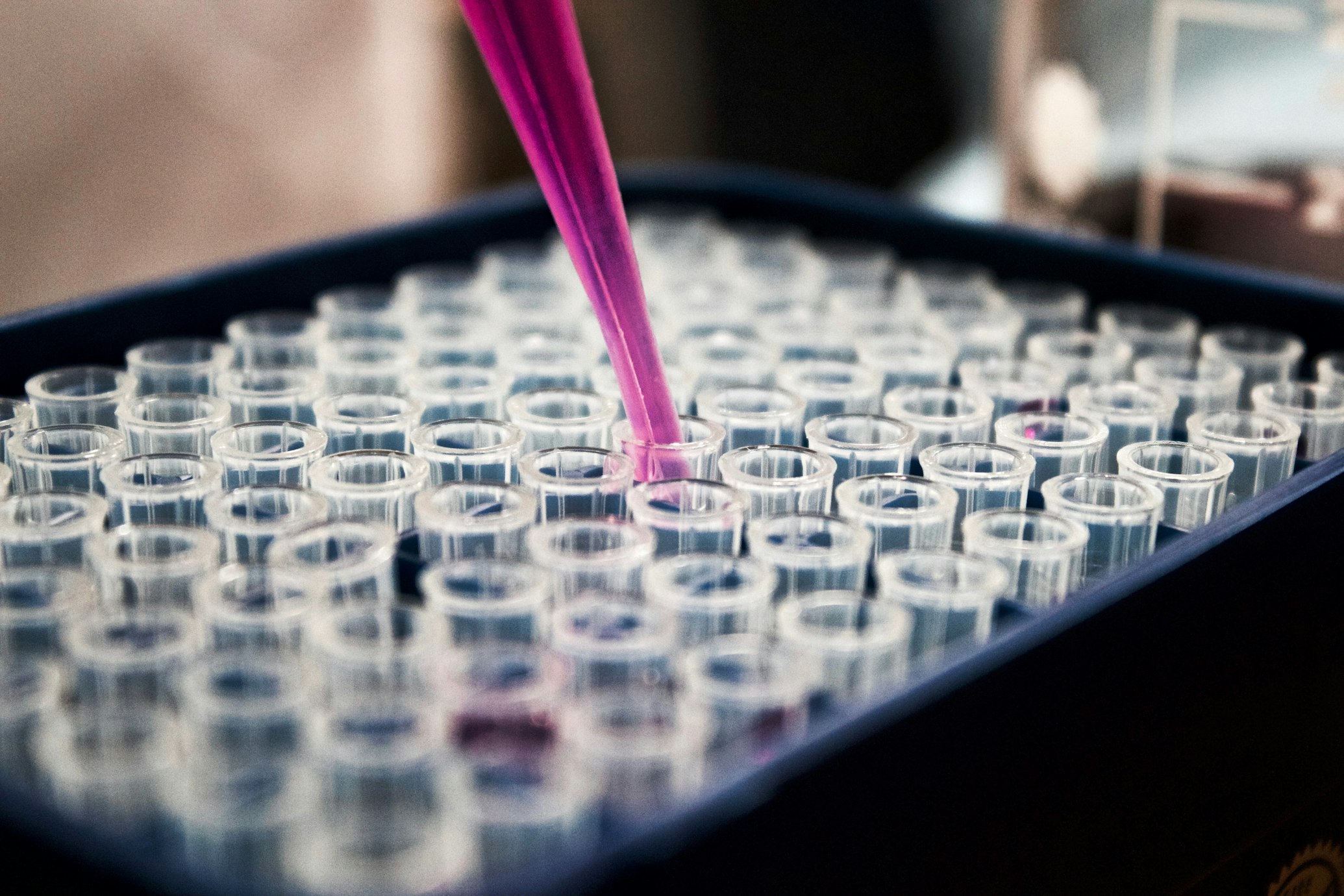
Decellularization preserves the intricate architecture of organ tissues while removing cellular material.
A Universal Protocol for Mouse Organs
Researchers recently developed an optimized decellularization protocol applicable to multiple murine organs—liver, lungs, spleen, kidneys, and ovaries. This method demonstrated remarkable robustness and reproducibility across different tissue types, achieving:
High Purification
From cell debrisArchitecture Preservation
Complete structureBiomechanical Properties
Maintained integrityMultiple Organs
Liver, lungs, spleen, kidneys, ovariesThis technical advance was crucial for creating consistent, organ-specific environments to study cancer cell behavior 1 5 .
The Key Experiment: Do Cancer Cells Prefer Certain Mechanical Environments?
Experimental Design and Methodology
To investigate how breast cancer cells respond to different organ microenvironments, researchers engineered an elegant experiment:
Step 1: Creating organ-specific environments
- Mouse organs (liver, lungs, spleen, kidneys, ovaries) were decellularized using the optimized protocol
- The resulting ECM scaffolds preserved each organ's unique mechanical properties
- Collagen hydrogel was prepared as an artificial control environment
Step 2: Selecting cancer cell types
- MDA-MB-231: Highly invasive, mesenchymal-like cells (representing aggressive breast cancer)
- SKBR-3: Epithelial-like cells (representing less invasive breast cancer)
Step 3: Recellularization
- 300,000 cells were injected into each organ scaffold
- Cell behavior was monitored over 7 days using advanced microscopy techniques 5
Measuring Biomechanical Properties
The researchers conducted thorough characterization of each scaffold's physical properties:
- Total stiffness: The overall rigidity of the entire scaffold
- Local stiffness: The flexibility at the microscopic fiber level
- Mean pore size: The average space between matrix fibers
- Architecture: The 3D organization of matrix components
This comprehensive analysis allowed direct correlation between physical properties and cancer cell behavior 5 .
Revealing Results: How Mechanical Properties Guide Cancer Cells
The experimental results demonstrated striking patterns in how different cancer types responded to various mechanical environments.
Organ-Specific Properties
| Organ | Total Stiffness | Local Stiffness (kPa) | Mean Pore Size |
|---|---|---|---|
| Lung | Low | 2.8-3.6 | Large |
| Ovary | Low | Not specified | Large |
| Spleen | Medium | 2.8-3.6 | Medium |
| Kidney | Medium | Not specified | Medium |
| Liver | High | High | Small |
Cell-Type Specific Responses
| Cancer Cell Type | Preferred Environment | Growth Characteristics |
|---|---|---|
| MDA-MB-231 (mesenchymal) | High porosity, low total stiffness | Highly proliferative and invasive |
| SKBR-3 (epithelial) | Low local stiffness | Moderate growth, less invasive |
The Stiffness Paradox
Perhaps the most surprising finding was the stiffness paradox—while conventional wisdom suggested cancer cells always prefer stiffer environments, these 3D models revealed a more nuanced reality:
- Mesenchymal cells (MDA-MB-231) flourished in low-total-stiffness, high-porosity environments like lung and ovary
- Epithelial cells (SKBR-3) survived best in low-local-stiffness environments, regardless of total stiffness
- Both cell types struggled in the collagen hydrogel, which had uniformly low stiffness
This suggests that different mechanical parameters guide different cancer cell types 5 .
Interpreting the Patterns
The observed behaviors make biological sense when we consider the physical requirements of cancer cells:
Large Pore Sizes
Provide space for invasive cells to migrate and proliferate
Low Total Stiffness
Allows mesenchymal cells to remodel their environment
High Porosity
Creates migration highways for aggressive cancer types
As the researchers noted: "The larger the ECM mean pore size and the smaller the total stiffness, the more proliferative and invasive the mesenchymal cells became" 5 .
Implications and Future Directions
Understanding Metastatic Colonization
The findings from this research provide crucial insights into the organ-specific patterns of breast cancer metastasis. The preference of mesenchymal cells for lung and ovary environments aligns with clinical observations of where certain breast cancer types tend to spread.
The research suggests that creating accurate 3D tumor models is essential for both basic cancer biology and drug testing. As the study authors emphasized, their model "is scalable and adaptable for pharmacological testing and cancer biology research of metastatic and primary tumors, including early metastatic colonization in native organ-specific ECM" 5 .
- Matrix-modifying therapies that make target organs less hospitable to cancer cells
- Personalized metastasis prediction based on a tumor's mechanical preferences
- Improved drug testing platforms that account for mechanical influences
- Biomimetic materials that could redirect cancer cells to less dangerous locations
Connecting to Related Research
Other exciting developments in breast cancer research include:
Conclusion
The intricate dance between breast cancer cells and their mechanical environments reveals a fundamental truth about metastasis: cancer spread is not random.
The physical properties of our organs—their stiffness, architecture, and porosity—create landing zones that either welcome or resist invading cancer cells.
As research continues to unravel these biomechanical relationships, we move closer to innovative strategies that could literally stiffen our defenses against cancer's advance. The decellularized organ models providing these insights represent more than technical achievements—they are windows into the physical conversations between cancer cells and their environments, conversations that may ultimately determine the difference between containment and spread.
By listening to these physical conversations, scientists are developing a more complete understanding of cancer metastasis—one that acknowledges both the chemical and mechanical dimensions of this complex disease. The future of cancer treatment may well depend on learning to speak the language of physical forces that guides the journey of every wandering cancer cell.