Crafting Bone: How Nanocomposite Clay Bioinks Are Revolutionizing Skeletal Repair
The future of bone repair lies not in the surgeon's scalpel alone, but in the precise nozzle of a 3D bioprinter.
Introduction
Imagine a future where a damaged bone can be repaired with a living, custom-made scaffold that not only fills the void but also actively guides the body's own cells to regenerate new tissue. This is the promise of 3D bioprinting, a technology at the forefront of regenerative medicine. At the heart of this innovation lies a crucial component: the bioink. Scientists have discovered that by infusing these inks with nanoscale clay, they can create powerful new materials for building skeletal tissues, offering new hope for patients with bone defects and injuries 1 4 .
3D Bioprinting
Layer-by-layer fabrication of living tissues using specialized bioinks and computer-designed blueprints.
Bioinks
The "living ink" containing cells, biomaterials, and biological signals used in bioprinting.
The Building Blocks of Bioprinting: What Are Bioinks?
To understand the breakthrough, one must first grasp what bioinks are. In essence, a bioink is the "living ink" used in 3D bioprinting. It is a formulation of cells, biomaterials, and sometimes biological signals, suitable for being printed layer-by-layer to create three-dimensional tissue structures 6 .
Key Requirements for Successful Bioinks
Must provide a hospitable environment for living cells, allowing them to survive, proliferate, and function.
Must flow smoothly through a printer's nozzle and then instantly hold its shape to form a complex, stable structure.
For years, hydrogel biomaterials—water-swollen polymer networks—have been the go-to for bioinks because they mimic the body's natural extracellular matrix and are gentle on cells. However, they often lack the mechanical strength needed for demanding tissues like bone. This is where nanoclay enters the picture as a revolutionary additive 3 8 .
Why Clay? The Unexpected Superstar of Regenerative Medicine
The use of clay in medicine is not new; records show our ancestors used it for wound healing and gastrointestinal ailments thousands of years ago 2 . Today, science is unlocking its potential at the nanoscale.
Nanoclays, such as the synthetic Laponite, are layered silicate nanoparticles with unique properties that make them ideal for bioprinting 1 . Their flat, disc-like structure and high surface charge have two major effects when mixed with hydrogel polymers like alginate or gelatin:
- Shear-Thinning Behavior: Under the pressure of printing, the clay-paste becomes thin and flows easily. The moment the pressure stops, it instantly thickens, locking the printed structure in place. This is vital for creating complex 3D shapes without collapse 1 3 .
- Mechanical Reinforcement: Even a small amount of nanoclay can significantly strengthen the fragile hydrogel network, creating a nanocomposite that is much more robust and durable 3 7 .
Beyond these physical advantages, certain nanoclays are bioactive. They can directly influence cell behavior, promoting the adhesion, proliferation, and differentiation of skeletal stem cells (SSCs) into bone-forming osteoblasts. They can also attract proteins and minerals from the body, encouraging the formation of new bone mineral .
A Closer Look: Engineering Bone with a Clay-Based Bioink
A pivotal body of research, exemplified in protocols published by scientists like Cidonio et al., details the development and use of a nanocomposite clay-based bioink for skeletal tissue engineering 1 4 9 . Let's examine this process step-by-step.
Methodology: The Alchemy of the Bioink
The creation of a functional bone scaffold is a meticulous process that blends material science with cell biology.
Step 1: Preparing the Biopaste
The process begins by creating a sterile, clay-based "biopaste." This typically involves dispersing Laponite nanoclay into water and then mixing it with polymers like alginate and methylcellulose. This combination creates a workable paste with excellent shear-thinning properties 1 4 .
Step 2: Cell Encapsulation
Skeletal stem cells (SSCs), the master cells capable of becoming bone, are then carefully mixed into the clay-based paste. The paste's gentle, aqueous environment protects the cells during this process, ensuring high viability 1 4 .
Step 3: 3D Bioprinting
The cell-laden bioink is loaded into a cartridge and printed using an extrusion-based bioprinter. Following a computer-designed blueprint, the printer deposits the bioink layer-by-layer, constructing a 3D scaffold that mimics the architecture of the target bone defect 1 3 .
Step 4: Cross-linking
Immediately after printing, the scaffold is stabilized. For alginate-based inks, this often involves spraying with a calcium chloride solution, which causes the polymer chains to cross-link and form a stable gel 4 .
Step 5: Implantation and Maturation
The 3D printed structure is then ready for implantation or further cultured in a bioreactor. Inside the body, the scaffold supports vascular ingrowth (the formation of new blood vessels) and guides the body's natural healing processes, eventually degrading as new bone tissue takes its place 9 .
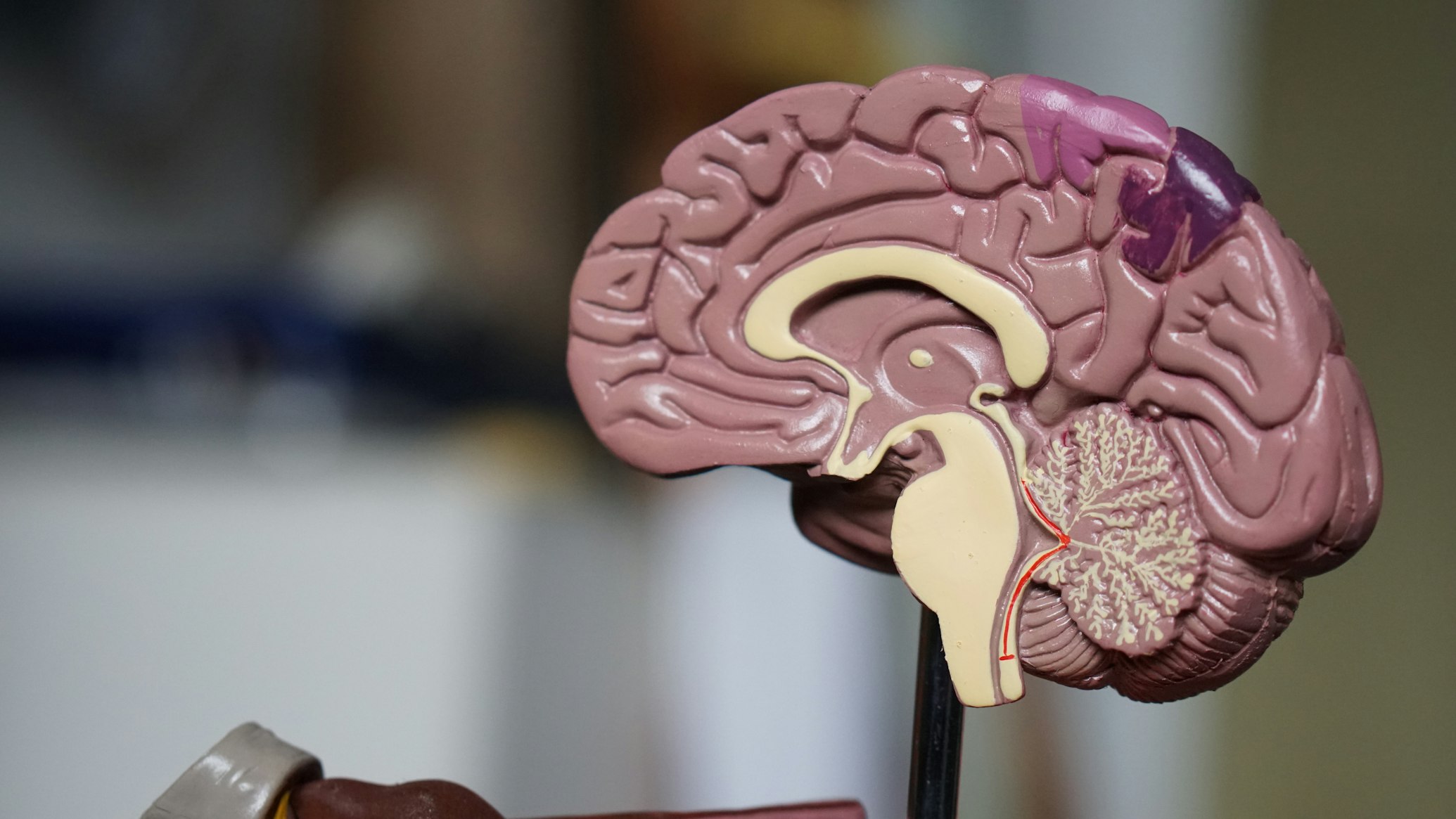
The 3D bioprinting process creates precise, patient-specific bone scaffolds.
Results and Analysis: From Concept to Functional Bone
Studies have shown that this clay-based approach is highly effective. The inclusion of Laponite clay creates a scaffold that is not only easy to print but also mechanically stable after printing 1 .
Crucially, these scaffolds are osteoinductive—they actively encourage bone formation. Research has demonstrated that such clay-based scaffolds can promote significant vascular ingrowth, a critical step for sustaining the new tissue, and generate bone mineral tissue both in laboratory models (in vitro) and in animal models (in vivo) 9 . The clay appears to act as a bioactive signal, guiding stem cells down an osteogenic (bone-forming) pathway and facilitating the deposition of bone mineral.
Key Components of the Clay Bioink
| Component | Type/Example | Primary Function in the Bioink |
|---|---|---|
| Nanoclay | Laponite | Provides shear-thinning for printability, reinforces mechanical strength, and offers bioactive cues for cell differentiation 1 . |
| Natural Polymer | Alginate, Gelatin, Methylcellulose | Forms the hydrogel base that encapsulates and protects cells, mimicking the native extracellular matrix 4 8 . |
| Cross-linker | Calcium Chloride (CaCl₂) | Stabilizes the printed structure by forming strong ionic bonds between polymer chains 4 . |
| Living Cells | Skeletal Stem Cells (SSCs) | The "living" component that will proliferate and differentiate to form new bone tissue within the printed scaffold 1 . |
Bioink Performance Comparison
Advantages of Nanoclay in Bioinks
| Advantage | How it Manifests |
|---|---|
| Enhanced Printability | Unique shear-thinning behavior allows easy extrusion and instant shape-setting 1 3 . |
| Mechanical Reinforcement | Nanoplatelets distribute stress, creating a stronger, more elastic composite 3 7 . |
| Bioactivity | Directly influences stem cell fate toward bone-forming lineages and enhances biomineralization . |
| Versatility | Compatible with a wide range of natural and synthetic polymers 8 . |
The Future of Bone Regeneration
The development of nanocomposite clay-based bioinks represents a paradigm shift in skeletal tissue engineering. By solving the critical challenges of printability and mechanical strength while adding a layer of bioactivity, this technology moves us closer to the clinical reality of on-demand, patient-specific bone grafts.
Future Research Directions
Future research is focused on creating even more sophisticated "smart" scaffolds. These could incorporate growth factors or drugs that are released in a controlled manner by the clay, further accelerating healing 2 . The journey from a concept in the lab to a standard medical treatment is long, but with the foundational building blocks of clay and cells, the future of crafting bone is being written—one layer at a time.
This article is based on a synthesis of scientific protocols and reviews published in peer-reviewed journals including Biofabrication, Biomaterials, and Methods in Molecular Biology.