Beyond the Bone Graft: Modern Strategies to Eliminate Donor Site Morbidity in Tissue Engineering
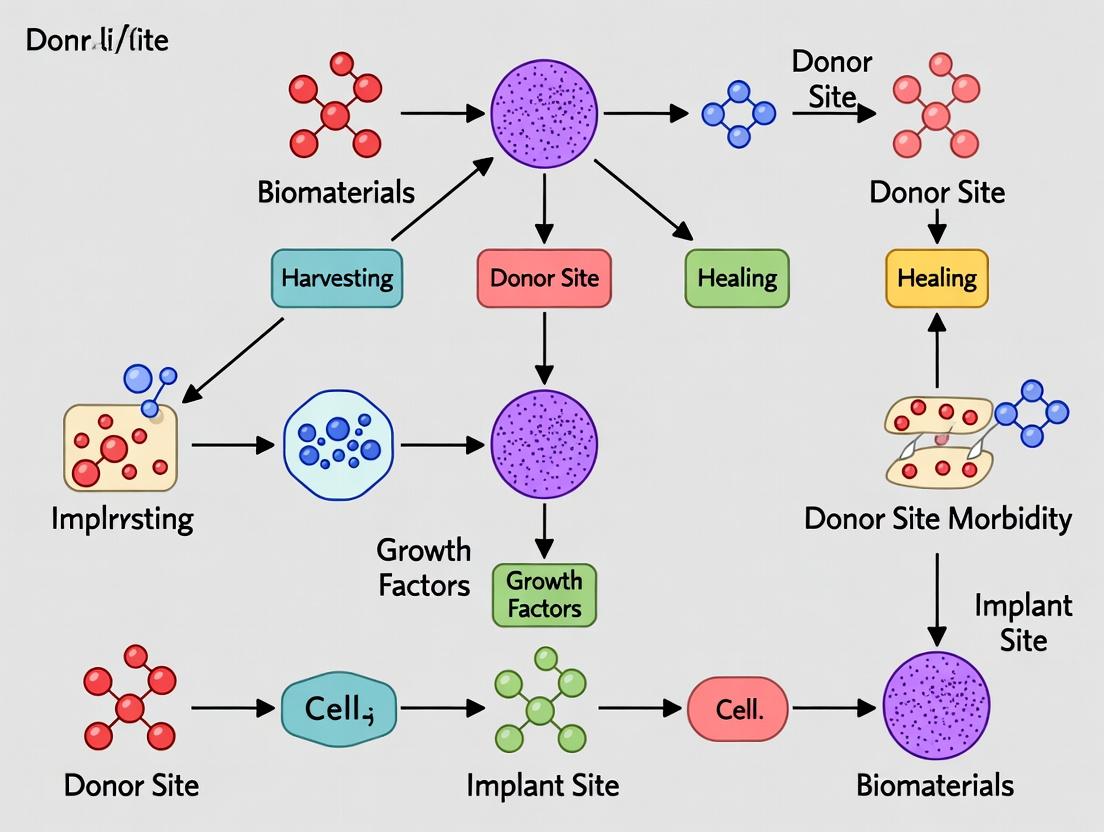
This article provides a comprehensive overview of contemporary approaches in bone tissue engineering aimed at overcoming donor site morbidity—a persistent limitation of traditional autografts.
Beyond the Bone Graft: Modern Strategies to Eliminate Donor Site Morbidity in Tissue Engineering
Abstract
This article provides a comprehensive overview of contemporary approaches in bone tissue engineering aimed at overcoming donor site morbidity—a persistent limitation of traditional autografts. Targeted at researchers and drug development professionals, it systematically explores the foundational understanding of morbidity mechanisms, methodological advances in biomaterial and cell-based strategies, troubleshooting of scaffold and biological challenges, and the critical validation of emerging alternatives against the clinical gold standard. The synthesis offers a roadmap for developing effective, patient-friendly bone regeneration solutions.
Understanding Donor Site Morbidity: The Core Problem Driving Bone Engineering Innovation
Technical Support Center: Troubleshooting Donor Site Morbidity Studies
This support center provides targeted guidance for common experimental challenges in bone tissue engineering research focused on quantifying and addressing donor site morbidity. The content is framed within a thesis context of developing and evaluating alternative strategies (e.g., scaffolds, growth factors) to mitigate autograft harvest complications.
FAQs & Troubleshooting Guides
Q1: In our small animal model (rat iliac crest autograft), we observe high variability in postoperative pain assessment scores (e.g., grimace scales, weight-bearing). How can we standardize these metrics for reliable economic burden modeling? A: Variability often stems from inconsistent timing, environment, or scorer training.
- Protocol Refinement: Implement the "Rat Grimace Scale" at fixed, frequent intervals (pre-op, 6h, 24h, 48h, 72h) post-surgery by two blinded, trained scorers. Calculate an inter-rater reliability score (Cohen's kappa). House animals singly during assessment to avoid behavioral interference.
- Complementary Assay: Integrate with a dynamic weight-bearing apparatus. Measure the differential weight distribution between the harvested and contralateral limbs as a quantitative, continuous variable. Correlate grimace scores with weight-bearing asymmetry at each time point.
- Economic Modeling Tip: Use the area-under-the-curve (AUC) for pain score vs. time and weight-bearing recovery time to "days to normal function" to standardize a "morbidity severity unit" for cost comparisons.
Q2: When quantifying infection rates at donor sites in a retrospective clinical study, how do we accurately attribute direct medical costs (e.g., antibiotics, readmission) from complex patient records? A: This requires a precise case definition and cost attribution protocol.
- Methodology: Define a "donor-site infection" using CDC criteria (purulent drainage, positive culture, or surgeon diagnosis). Create a data extraction sheet for chart review:
- Resource Identification: List all infection-attributable resources: additional clinic visits, ER visits, readmission LOS, specific IV/oral antibiotics, imaging (MRI to assess osteomyelitis), and operating room charges for irrigation & debridement.
- Cost Attribution: Use the hospital's charge master or, preferably, time-driven activity-based costing (TDABC) for procedures. For medications, use wholesale acquisition cost (WAC).
- Troubleshooting: If costs are missing, use national average costs from databases like HCUP (Healthcare Cost and Utilization Project) or Medicare reimbursement rates (DRG, CPT codes) as proxies, clearly noting this limitation.
Q3: Our in vitro osteogenic differentiation assay (using donor site-derived mesenchymal stem cells) shows poor mineralization even with potent osteo-inductive media. What are the key checkpoints? A: Poor mineralization can originate from cell quality, media composition, or differentiation endpoint assessment.
- Step-by-Step Diagnostic Protocol:
- Cell Senescence Check: Perform β-galactosidase staining on primary cells at P3. Donor site trauma and patient age can increase senescence. Use early passages (P2-P5).
- Osteogenic Media QC: Prepare fresh aliquots of ascorbic acid (50µg/mL) and β-glycerophosphate (10mM). Avoid more than 2-week storage at 4°C. Confirm pH stability.
- Early Marker Verification: Run a positive control cell line (e.g., MC3T3-E1). At Day 7-10 of differentiation, check for upregulated ALPL (alkaline phosphatase) expression via qPCR or enzyme activity assay before proceeding to late mineralization (Alizarin Red S at Day 21-28).
- Alizarin Red S Staining Quantification: Troubleshoot elution. After staining, elute the calcium-bound dye with 10% (w/v) cetylpyridinium chloride for 1 hour, not acidic solutions which can dissolve nodules. Measure absorbance at 562 nm.
Q4: How do we effectively model the "indirect costs" of donor site morbidity, such as lost productivity, in a way that is credible for a health economics manuscript? A: Use the human capital approach, grounded in real-world return-to-work data.
- Experimental/Epidemiological Data Need: Through literature search or institutional data, establish the mean number of work days lost for patients with vs. without a major donor site complication (e.g., nerve injury, fracture).
- Calculation Protocol:
- Identify the relevant employment distribution for your patient demographic (e.g., % in manual labor vs. desk jobs).
- Apply the average daily wage (from national labor statistics) weighted by employment type.
- Formula:
Indirect Cost = (Mean Lost Days *complication* - Mean Lost Days *no complication*) * Average Daily Wage.
- Visualization: Present this calculation logic in a pathway diagram (see Diagram 1).
Data Presentation Tables
Table 1: Reported Prevalence and Costs of Key Donor Site Complications (Iliac Crest Autograft)
| Complication | Reported Prevalence Range | Typical Additional Direct Medical Cost (USD, 2023 est.) | Key Cost Drivers |
|---|---|---|---|
| Chronic Pain | 15% - 39% | $4,000 - $15,000 | Ongoing pain clinic visits, imaging, neuromodulators, physical therapy. |
| Sensory Nerve Injury | 10% - 25% | $1,500 - $5,000 | Diagnostic EMG/NCS, neuropathic pain medications. |
| Infection (Superficial/Deep) | 1% - 5% | $8,000 - $50,000+ | Readmission, IV antibiotics, operative debridement. Cost escalates with osteomyelitis. |
| Hematoma/Seroma | 5% - 10% | $2,000 - $6,000 | Aspiration procedures, extended drainage, extra clinic visits. |
| Fracture | 0.5% - 3% | $20,000 - $80,000+ | Revision surgery with internal fixation, prolonged rehab, potential disability. |
Table 2: Core In Vitro Assays for Evaluating Alternative Therapies to Autograft
| Assay Objective | Key Readout | Protocol Duration | Troubleshooting Critical Point |
|---|---|---|---|
| Osteoinductivity | Alkaline Phosphatase (ALP) Activity | 7-14 days | Use pNPP substrate, measure at 405nm. Normalize to total cellular protein (BCA assay). |
| Mineralization | Alizarin Red S (ARS) Quantification | 21-28 days | Fix cells with 70% ethanol, not formalin. Use CPCl for reliable elution & quantification. |
| Cell Viability/Proliferation on Scaffold | PrestoBlue/AlamarBlue & DNA content | 1, 3, 7 days | For porous scaffolds, ensure reagent penetration via agitation. Use a standard curve for DNA. |
| Inflammatory Response | IL-6, TNF-α ELISA (from co-culture media) | 24-72 hours | Use macrophage-scaffold/construct co-culture models. Include LPS positive control. |
Experimental Protocols
Protocol 1: Isolation and Culture of Human Bone-Derived Mesenchymal Stem Cells (from Trabecular Bone Fragments)
- Sample Acquisition: Obtain trabecular bone fragments from surgical waste (e.g., femoral head replacement) or simulate donor site harvest.
- Washing: Rinse fragments 3x in sterile PBS containing 2% penicillin/streptomycin (P/S).
- Digestion: Incubate fragments in digestion medium (α-MEM, 3 mg/mL Collagenase Type I, 1 mg/mL Dispase II) for 2 hours at 37°C with agitation.
- Filtration & Plating: Pass digest through a 70µm cell strainer. Centrifuge filtrate at 400 x g for 5 mins. Resuspend pellet in growth medium (α-MEM, 10% FBS, 1% P/S, 1% L-Glutamine). Plate cells in a T75 flask.
- Media Changes: Replace media every 3-4 days. Allow outgrowth for 10-14 days until 70% confluent.
- Passaging: Use Trypsin-EDTA to detach and passage at a 1:3 ratio. Characterize by flow cytometry for CD73+, CD90+, CD105+, CD45-.
Protocol 2: Quantifying Donor Site Morbidity in a Rat Iliac Crest Model
- Animal Model: Use Sprague-Dawley rats (n=8/group minimum). Anesthetize and shave surgical site.
- Surgery: Make a 1.5cm incision over the iliac crest. Dissect musculature to expose bone. Harvest a 4mm x 4mm full-thickness corticocancellous graft using a micro-saw or trephine. Irrigate. Close muscle in layers, suture skin.
- Post-Op Monitoring:
- Pain Assessment (BGS): Record videos of the rat's face at pre-determined times. Score by two blinded observers using the standardized Rat Grimace Scale for orbital tightening, nose/cheek flattening, and ear position.
- Functional Assessment: Use an incapacitance tester to measure weight-bearing asymmetry between hind limbs at days 1, 3, 7, 14 post-op.
- Terminal Analysis (Day 28): Harvest donor site for histology (H&E, Masson's Trichrome) to assess bone healing, fibrosis, and inflammation.
Diagrams
Title: Economic Burden Model of Donor Site Complications
Title: Integrated Research Workflow for Burden Quantification
The Scientist's Toolkit: Research Reagent Solutions
| Item | Function in Donor Site Morbidity Research | Example/Note |
|---|---|---|
| Collagenase Type I | Digests collagen in bone matrix to isolate primary mesenchymal stem cells (MSCs) from harvested bone fragments for in vitro comparison studies. | Worthington Biochemical CLS-1; concentration critical (2-4 mg/mL). |
| Rat Grimace Scale (RGS) Scoring Toolkit | Standardized images and scoring sheet for objective, semi-quantitative assessment of postoperative pain in rodent models. | Requires blinded, trained scorers; essential for morbidity and analgesic study endpoints. |
| Alizarin Red S Stain | Binds to calcium deposits to visualize and quantify in vitro mineralization, a key osteogenic endpoint for evaluating scaffold performance. | Use 2% solution (pH 4.1-4.3); quantify via elution with 10% cetylpyridinium chloride (CPC). |
| p-Nitrophenyl Phosphate (pNPP) | Colorimetric substrate for Alkaline Phosphatase (ALP) enzyme activity, an early marker of osteogenic differentiation. | Read absorbance at 405 nm; normalize to total protein content. |
| Time-Driven Activity-Based Costing (TDABC) Framework | A methodological tool for accurately determining the true cost of healthcare processes (e.g., autograft harvest surgery) by measuring time and resources consumed. | Software (e.g., TDABC Pro) or detailed spreadsheet models are used. Critical for economic burden studies. |
| Pre-Sterilized β-Tricalcium Phosphate (β-TCP) Granules | A common synthetic bone graft substitute/control material used in comparative studies against autograft in defect models. | Acts as a positive control for osteoconduction, but lacks osteoinductive properties of autograft. |
Technical Support Center
Welcome to the technical support hub for bone tissue engineering research focused on mitigating autograft donor site morbidity. This center provides troubleshooting guides and FAQs to address common experimental challenges in developing and validating alternative bone graft materials.
Frequently Asked Questions (FAQs) & Troubleshooting
Q1: Our in vitro osteogenic differentiation assays show high variability between batches of human mesenchymal stem cells (hMSCs) derived from iliac crest bone marrow aspirates. How can we standardize this? A: Batch variability is common due to donor age, health, and aspirate purity. Implement these protocols:
- Cell Preparation: Use density gradient centrifugation (e.g., Ficoll-Paque PLUS) followed by plastic adherence for at least 72 hours for initial selection. Always record donor metadata.
- Standardized Media: Use a defined, serum-free osteogenic induction medium. A common formulation is: Base medium (α-MEM), 10 nM Dexamethasone, 10 mM β-glycerophosphate, 50 µg/mL Ascorbic acid-2-phosphate. Supplement with 2% qualified fetal bovine serum (FBS) if serum-free is not tolerated.
- Quality Control: Before each experiment, confirm trilineage differentiation potential (osteogenic, adipogenic, chondrogenic) for each cell batch at passage 2-4. Use a reference donor cell line as an internal control in all assays.
Q2: When implanting our synthetic scaffold in a rat critical-sized calvarial defect, we observe unexpected fibrous encapsulation instead of bone integration. What are the primary causes? A: Fibrous encapsulation indicates a lack of osteoinductivity or improper surgical technique. Troubleshoot using this checklist:
| Potential Cause | Diagnostic Test | Corrective Action |
|---|---|---|
| Scaffold Degradation Rate | SEM imaging pre/post immersion in simulated body fluid (SBF). Monitor pH change. | Adjust polymer (e.g., PLGA) copolymer ratio to slow degradation if it's too rapid (>8 weeks for full loss of mechanical integrity). |
| Lack of Bioactivity | In vitro test: Immerse scaffold in SBF for 7 days; analyze for hydroxyapatite layer formation via SEM/EDX. | Incorporate osteoconductive materials (e.g., nano-hydroxyapatite, bioglass particles >5% w/w) into the scaffold. |
| Surgical Site Infection | Histology: H&E staining for neutrophil infiltration. Culture explant. | Use aseptic technique, pre-operative antibiotics, and irrigate the defect site with povidone-iodine saline. |
| Defect Stability (Micromotion) | Micro-CT of explant at 2 weeks to check scaffold position. | Ensure secure fixation of the scaffold (use biocompatible glue) and the animal's head to prevent dislodgement. |
Q3: Our histomorphometric analysis of new bone formation yields inconsistent results between reviewers. How can we improve reliability? A: Inconsistency often stems from poorly defined regions of interest (ROI) and thresholding. Follow this protocol:
- Sample Processing: Use consistent decalcification (e.g., 14% EDTA for 14 days, verified by radiography) and paraffin embedding.
- Staining: Use standard Masson's Trichrome or Goldner's Trichrome stains. Include a control slide (normal rat bone) in each batch.
- Image Analysis: Use automated software (e.g., ImageJ with BoneJ plugin). Define ROI as the original defect boundary. Set color threshold based on the control slide and apply it to all images in the study. Perform blinded analysis by two independent reviewers and calculate the inter-observer correlation coefficient (ICC); aim for ICC >0.9.
Experimental Protocol: Evaluating Donor Site Morbidity in a Preclinical Model
Title: Protocol for Quantifying Donor Site Morbidity in a Rabbit Iliac Crest Autograft Model. Purpose: To systematically assess pain, structural compromise, and healing at the autograft harvest site, serving as a benchmark for evaluating novel biomaterials. Materials: New Zealand White Rabbits (n=6), Buprenorphine SR, Isoflurane, Surgical drill with 8mm trephine bur, Saline, Povidone-iodine, Bone wax (control group), Test material (hemostatic/osteoconductive agent), Micro-CT scanner, von Frey filaments. Procedure:
- Anesthesia & Analgesia: Induce anesthesia with isoflurane (5%) and maintain at 2-3%. Administer buprenorphine SR (0.1 mg/kg SC) pre-operatively.
- Surgery: After shaving and sterile prep, make a 2cm incision over the posterior iliac crest. Use an 8mm trephine to harvest a full-thickness bone graft. Achieve hemostasis using either (a) traditional bone wax (Control Group) or (b) the test osteoconductive hemostatic agent (Test Group).
- Post-Op Monitoring: Assess pain (mechanical allodynia) at the surgical site daily for 7 days using von Frey filaments. Record weight-bearing and activity.
- Terminal Analysis: At 8 weeks, euthanize and harvest the iliac bones.
- Micro-CT Analysis: Scan harvested ilia at 20µm resolution. Analyze for these parameters:
| Parameter | Region of Interest (ROI) Definition | Significance |
|---|---|---|
| Bone Volume/Total Volume (BV/TV) | Within a 10mm diameter cylinder centered on the harvest site. | Quantifies osseous repair of the defect. |
| Trabecular Thickness (Tb.Th) | Within the same ROI. | Assesses quality of regenerated bone. |
| Cortical Bone Defect Size | Measure the residual cortical gap in 3D. | Indicates completeness of structural healing. |
Signaling Pathways in Donor Site Healing vs. Complication
Experimental Workflow for Biomaterial Validation
The Scientist's Toolkit: Key Research Reagent Solutions
| Item | Function & Rationale |
|---|---|
| Human Mesenchymal Stem Cells (hMSCs) | Primary cell source for in vitro osteogenesis assays. Must be characterized for CD73+, CD90+, CD105+, CD14-, CD34-, CD45- markers. |
| Osteogenic Differentiation Media (Serum-Free) | Provides standardized, defined supplements (Dexamethasone, β-glycerophosphate, Ascorbate) to induce bone matrix production, minimizing batch effects from serum. |
| Recombinant Human BMP-2 | Positive control protein for osteoinduction assays in vitro and in vivo. Critical for validating the responsiveness of cells and animal models. |
| Alizarin Red S Stain | Quantitative and qualitative detection of calcium deposits in cultured cells, confirming late-stage osteogenic differentiation. |
| Poly(lactic-co-glycolic acid) (PLGA) | A tunable, biodegradable polymer for scaffold fabrication. Copolymer ratio (e.g., 85:15) controls degradation rate to match bone healing. |
| Nano-Hydroxyapatite (nHA) | Osteoconductive ceramic mimicking bone mineral. Incorporated into scaffolds (10-30% w/w) to enhance protein adsorption and cell attachment. |
| Simulated Body Fluid (SBF) | Ionic solution (pH 7.4) to test scaffold bioactivity. Formation of an apatite layer after 7-14 days immersion predicts in vivo bone-bonding ability. |
| Bone Morphogenetic Protein (BMP) ELISA Kit | Quantifies endogenous BMP-2 levels in cell culture supernatants or bone homogenates, indicating osteoinductive activity. |
| Tartrate-Resistant Acid Phosphatase (TRAP) Stain | Identifies osteoclasts on histological sections. Essential for evaluating the bone remodeling phase (RANKL/OPG pathway activity). |
Technical Support Center: Troubleshooting Guide for Bone Tissue Engineering Research
FAQs on Key Risk Factors
Q1: During a rat calvarial defect study, we observed excessive fibrosis instead of new bone formation at the donor site. What could be the cause?
- A: This is a common issue related to the Anatomical Site and Surgical Technique. The calvarial periosteum is critical for osteogenesis. A likely cause is the complete destruction of the cambium layer (osteogenic layer) of the periosteum during defect creation or graft harvest.
- Solution: Refine the surgical protocol. Use a micro-scalpel for precise periosteal elevation and preserve its integrity. Consider using a tissue adhesive for periosteal re-approximation instead of sutures to minimize trauma.
Q2: In our diabetic mouse model for iliac crest graft simulation, we see persistent inflammation and poor vascularization at the donor site. How can we adjust our protocol?
- A: This directly relates to Patient Co-morbidities (modeled diabetes). Hyperglycemia impairs macrophage polarization and angiogenic signaling.
- Solution:
- Pre-operative: Tighten glycemic control for 7-14 days pre-op using sustained-release insulin pellets.
- Localized Therapy: Coat your graft or apply a hydrogel to the donor site containing a pro-angiogenic factor (e.g., VEGF-165) and an anti-inflammatory cytokine (e.g., IL-4 or IL-10).
- Monitoring: Extend your post-op monitoring period and include histological markers for M2 macrophages (CD206) and endothelial cells (CD31).
- Solution:
Q3: When harvesting a tibial graft in a rabbit model, we encountered unexpected cortical fracture. How can we prevent this?
- A: This is a Surgical Technique risk. It often results from using a trephine burr with excessive speed and force, generating thermal and mechanical stress.
- Solution: Implement a graded drilling protocol:
- Use a series of increasing drill bit sizes (e.g., 1.0mm, 1.5mm, 2.0mm) to final dimensions.
- Use low RPM (≤ 500 rpm) with continuous, copious saline irrigation.
- Use oscillating trephine burs if available, which are less prone to skiving and fracture.
- Solution: Implement a graded drilling protocol:
Table 1: Impact of Anatomical Site on Donor Site Complication Rates in Pre-clinical Models
| Anatomical Site (Model) | Defect Size | Healing Time (wks) | Fibrous Non-union Incidence | Key Risk Factor |
|---|---|---|---|---|
| Rat Calvaria | 8 mm critical | 8 | 15-25% | Periosteal disruption |
| Rabbit Iliac Crest | 10x10 mm | 12 | 10-20% | Muscle detachment, hematoma |
| Sheep Tibia (cortical) | 20 mm segment | 24 | 30-40% | Stress shielding, vascular compromise |
| Porcine Mandible | 30 mm | 16 | 20-30% | Masticatory forces, infection |
Table 2: Effect of Modeled Co-morbidities on Donor Site Healing Metrics
| Co-morbidity Model | Healing Delay (vs. control) | Bone Volume/Total Volume (BV/TV) Reduction | Increased Osteoclast Activity |
|---|---|---|---|
| Type I Diabetes (Rodent) | 2-3 weeks | 35-50% | Yes (TRAP+ cells ↑ 200%) |
| Osteoporosis (OVX Rodent) | 1-2 weeks | 25-40% | Yes (RANKL/OPG ratio ↑) |
| Nicotine Exposure (Rat) | 1-2 weeks | 20-30% | Moderate |
| Aged Model (>24mo Rat) | 2-4 weeks | 40-60% | Yes |
Detailed Experimental Protocols
Protocol: Standardized Rat Calvarial Donor Site Defect with Periosteal Preservation
- Objective: To create a reproducible, critical-sized defect while maximizing intrinsic healing capacity.
- Materials: Anesthetized adult Sprague-Dawley rat (≥12 weeks), stereotaxic frame, micro-scalpel, 5mm external diameter trephine burr, surgical drill, PBS-soaked gauze, tissue adhesive (e.g., fibrin glue).
- Method:
- Make a midline sagittal incision and reflect the skin and subcutaneous tissue.
- Critical Step: Using a micro-scalpel, make a circumferential incision through the outer periosteum only. Gently elevate it as a full-thickness flap using a periosteal elevator, keeping the cambium layer attached to the bone.
- Mount the trephine burr on the surgical drill. Under constant saline irrigation at 200 rpm, create a 5mm full-thickness defect in the parietal bone.
- Irrigate the defect and donor site thoroughly with sterile PBS.
- Closure: Carefully reposition the periosteal flap. Secure it with a single dot of tissue adhesive at 3-4 points. Close the skin with interrupted sutures.
- Troubleshooting: If bleeding from the sagittal sinus occurs, apply light pressure with a hemostatic collagen sponge.
Protocol: Assessing Donor Site Morbidity in an Osteoporotic Rat Model
- Objective: To evaluate healing complications at the iliac crest graft donor site in an osteopenic bone environment.
- Materials: Ovariectomized (OVX) rat (6 months post-OVX), sham-operated control, micro-CT scanner, histological equipment, TRAP stain kit.
- Method:
- Create a 3x3mm full-thickness bone graft harvest defect in the iliac crest using a低速 dental burr.
- At 2, 4, and 8 weeks post-op, sacrifice cohorts (n=6/group/time).
- Micro-CT Analysis: Scan the harvested hemipelvis. Quantify: Bone Mineral Density (BMD), Trabecular Number (Tb.N), and Trabecular Separation (Tb.Sp) within a 1mm ROI around the defect.
- Histomorphometry: Decalcify, section, and stain with H&E and TRAP. Quantify: % new bone area, number of osteoblasts per bone perimeter, and number of osteoclasts (TRAP+ multinucleated cells) per mm².
- Analysis: Compare OVX vs. Sham groups using two-way ANOVA. Expected outcome: OVX group shows significantly lower BMD, fewer osteoblasts, and more osteoclasts at the donor site.
Diagrams
Diagram: Risk Factors Leading to Donor Site Morbidity
Diagram: Experimental Workflow for Morbidity Risk Assessment
The Scientist's Toolkit: Research Reagent Solutions
| Reagent / Material | Function / Purpose |
|---|---|
| Low-Speed Trephine Burr System | Creates precise bone defects with minimal thermal osteonecrosis. Critical for Surgical Technique. |
| Fibrin Tissue Adhesive (Tisseel) | Seals donor site and stabilizes periosteum without suture trauma. Aids hemostasis. |
| Collagen-Hydroxyapatite Scaffold | Placed in donor site to guide bone regeneration, especially in co-morbidity models. |
| Recombinant Human BMP-2 (rhBMP-2) | Potent osteoinductive protein to overcome poor healing environments (Co-morbidities). |
| Pro-angiogenic Hydrogel (e.g., VEGF + GelMA) | Promotes vascularization at ischemic donor sites (e.g., Anatomical Sites with poor blood supply). |
| TRAP Staining Kit | Labels osteoclasts to quantify excessive bone resorption at the donor site. |
| Live-Animal Micro-CT Scanner | Enables longitudinal, quantitative 3D assessment of donor site healing without sacrifice. |
| Ovariectomized (OVX) Rat Model | Standard pre-clinical model for studying Co-morbidity of osteoporosis on healing. |
Technical Support Center: Troubleshooting & FAQs
Q1: In our rabbit iliac crest model, animals show significant post-operative guarding and reduced mobility. How can we accurately quantify and differentiate inflammatory pain from neuropathic pain at the harvest site?
A1: Utilize a multimodal behavioral scoring system combined with selective pharmacologic intervention.
- Protocol: Weight-bearing asymmetry: Use an incapacitance tester. Record force (in grams) exerted on the hindlimbs over 5-second intervals for 10 trials. Asymmetry is calculated as:
[(Force on Contralateral Limb - Force on Operated Limb) / Total Force] * 100. A sustained asymmetry >20% at 72 hours post-op suggests significant pain. - Protocol: Tactile allodynia: Apply calibrated von Frey filaments to the skin adjacent to the harvest site. Record the force threshold (in grams) that elicits a paw withdrawal response in 50% of applications (using Dixon's up-down method). A >50% reduction from pre-operative baseline indicates tactile allodynia, suggestive of neuropathic involvement.
- Differential Pharmacologic Test: Administer a single dose of gabapentin (10 mg/kg, IP). A >30% improvement in weight-bearing or von Frey threshold within 2 hours implicates a neuropathic component, whereas a lack of response suggests pain is primarily inflammatory.
Q2: We observe a ~15% infection rate in our large-animal (sheep) tibial harvest sites despite peri-operative antibiotics. What are the leading hypotheses and mitigation strategies for biofilm-related infections in bone graft harvesting?
A2: Infection is often linked to micro-fractures creating necrotic bone sequestra and hematoma formation, providing a niche for biofilm formation.
- Key Mitigation Protocol:
- Intra-operative Irrigation: Use pulsed lavage with a solution containing 1-3% povidone-iodine (diluted in saline), followed by a final rinse with plain saline to minimize cytotoxicity.
- Local Antibiotic Delivery: Pack the harvest site defect with an absorbable collagen sponge soaked in a high-concentration, non-systemic antibiotic solution (e.g., 1 mg/mL vancomycin).
- Post-Op Monitoring: Perform serial serum CRP measurements and ultrasound imaging at the site weekly for 4 weeks to detect fluid collections.
Q3: Histological analysis of harvest sites reveals poor re-innervation and persistent neuroma formation at 6 months. What experimental model can assess functional sensory and motor nerve recovery?
A3: Employ a combined electrophysiological and immunohistochemical approach in a rodent sciatic nerve-bone composite model.
- Protocol: Nerve Conduction Velocity (NCV): Under anesthesia, stimulate the proximal sciatic nerve and record compound muscle action potential (CMAP) latency from the gastrocnemius. Calculate NCV. A reduction in NCV >40% versus contralateral side indicates significant conduction deficit.
- Protocol: Immunohistochemical Quantification: Section the tissue around the harvest site. Stain with PGP9.5 (pan-neuronal marker) and NF-200 (for myelinated fibers). Use image analysis software to quantify the number of regenerating nerve fibers per high-power field (HPF) at standardized distances from the defect margin.
Q4: Clinical assessments show patient dissatisfaction primarily with contour deformity (aesthetic defect) after rib graft harvest. What quantitative imaging metric can we use in pre-clinical models to predict this outcome?
A4: Use longitudinal micro-CT scanning to calculate volumetric resorption and structural deformation.
- Protocol:
- Scan the harvest site and contralateral control region immediately post-op (Week 0) and at termination (e.g., Week 12).
- Segment the 3D contour of the anatomical region (e.g., ilium, rib) using standardized anatomical landmarks.
- Calculate "Volumetric Contour Deficit Ratio" (VCDR):
VCDR = (Volume(Control) - Volume(Experimental)) / Volume(Control) * 100at Week 12. A VCDR >10% is correlated with clinically observable contour deformity.
Table 1: Quantification of Harvest Site Morbidity in Pre-Clinical Models
| Morbidity Type | Model Species | Primary Metric | Normal Range | Morbidity Threshold | Common Assessment Timepoint |
|---|---|---|---|---|---|
| Pain (Weight-bearing) | Rabbit, Rat | % Asymmetry (Incapacitance) | 0-5% | >20% sustained | Post-Op Days 3, 7, 14 |
| Neuropathic Pain | Rat, Mouse | Paw Withdrawal Threshold (von Frey) | 4-15 g (rat) | >50% reduction from baseline | Post-Op Weeks 1, 2, 4 |
| Infection Rate | Sheep, Dog | Positive Culture / Clinical Signs | 0% | >5% | Post-Op Weeks 1-4 |
| Nerve Deficit | Rat (Sciatic) | Nerve Conduction Velocity (NCV) | 40-50 m/s | Reduction >40% | Post-Op Week 12 |
| Contour Deformity | Rabbit, Pig | Volumetric Contour Deficit (VCDR) | 0-2% | >10% | Post-Op Week 12 |
Table 2: Efficacy of Common Local Adjuvants for Morbidity Mitigation
| Adjuvant | Primary Target Morbidity | Typical Dosage/Formulation | Evidence Level (Pre-clinical) | Key Risk/Caveat |
|---|---|---|---|---|
| Vancomycin-loaded Hydrogel | Infection | 1-5% w/v in hyaluronic acid or collagen gel | Strong (Large animal) | Potential cytotoxicity at high dose |
| Bupivacaine-loaded Microparticles | Acute Pain | 2.5% in PLGA microparticles | Moderate (Rodent) | Short-term effect (up to 72h) |
| NGF-mimetic Peptide (e.g., FK962) | Nerve Damage / Re-innervation | 0.1-1.0 mg/mL in fibrin sealant | Emerging (Rodent) | Risk of hyperalgesia if mis-dosed |
| BMP-2 (low dose) | Bone Regeneration / Contour | 50-100 μg/mL in ACS | Strong (Large animal) | Cost, risk of ectopic bone & swelling |
The Scientist's Toolkit: Key Research Reagent Solutions
| Item | Function / Rationale |
|---|---|
| Calibrated Von Frey Filaments | Delivers precise, reproducible force to assess mechanical allodynia, a key sign of neuropathic pain. |
| Incapacitance Tester (Dual-scale) | Objectively measures weight-bearing asymmetry between limbs to quantify pain-related functional impairment. |
| PLGA (Poly(lactic-co-glycolic acid)) Microparticles | Biodegradable polymer used for controlled, sustained local release of analgesics (e.g., bupivacaine) or growth factors. |
| Absorbable Collagen Sponge (ACS) | Serves as a scaffold for local hemostasis and as a carrier matrix for antibiotics or osteoinductive proteins (e.g., BMP-2). |
| PGP9.5 & NF-200 Antibodies | Standard immunohistochemical markers for identifying total neuronal fibers (PGP9.5) and myelinated axons (NF-200) during re-innervation studies. |
| Micro-CT Scanner with 10μm resolution | Enables high-resolution 3D volumetric analysis of bone harvest site architecture and quantitative calculation of contour deformation over time. |
Experimental Workflows & Pathway Diagrams
Title: Donor Site Morbidity Pathogenesis Pathway
Title: Integrated Morbidity Assessment Workflow
Technical Support Center: Troubleshooting Bone Tissue Engineering Experiments
This support center is designed to address common experimental challenges in bone tissue engineering, framed within the critical need to overcome donor site morbidity—the pain, infection, and functional loss at the site where autologous bone is harvested—which is a primary driver for developing engineered alternatives.
FAQs & Troubleshooting Guides
Q1: My 3D-printed polymeric scaffold (e.g., PCL, PLGA) shows poor cell seeding efficiency and uneven distribution. What are the main causes and solutions?
- A: This is often due to suboptimal scaffold hydrophilicity and static seeding methods.
- Troubleshooting Steps:
- Increase Hydrophilicity: Perform surface modification via plasma treatment (e.g., Oxygen plasma at 50W for 2-5 minutes) or NaOH hydrolysis (e.g., 5M NaOH for 30-60 minutes). Rinse thoroughly with sterile DI water.
- Use Dynamic Seeding: Employ a bioreactor system (spinner flask, perfusion bioreactor) for 2-6 hours. A minimum perfusion rate of 0.1 mL/min is often required to enhance uniformity.
- Pre-wet Scaffolds: Immerse scaffolds in 70% ethanol for 30 minutes, then replace gradually with phosphate-buffered saline (PBS) and culture media over several hours.
- Troubleshooting Steps:
Q2: Osteogenic differentiation of my human mesenchymal stem cells (hMSCs) on the scaffold is inconsistent, with low mineralization (calcium deposition). How can I optimize this?
- A: Inconsistency can stem from variable cell sources, inadequate osteogenic cues, or poor nutrient diffusion.
- Troubleshooting Steps:
- Standardize Cell Source: Characterize hMSC surface markers (CD73+, CD90+, CD105+, CD34-, CD45-) before each study. Use early passages (P3-P6).
- Optimize Differentiation Media: Ensure your osteogenic cocktail contains:
- Dexamethasone: 10-100 nM
- β-Glycerophosphate: 10 mM
- L-Ascorbic Acid: 50-200 µM
- Verify Mineralization Assay: For Alizarin Red S staining, fix cells with 70% ethanol (ice-cold) for 1 hour, not paraformaldehyde, to avoid dissolving calcium deposits.
- Troubleshooting Steps:
Q3: My decellularized bone matrix (DBM) construct elicits an immune response in vitro. How can I ensure complete decellularization?
- A: Residual cellular debris (e.g., DNA fragments, lipids) is immunogenic. This directly relates to morbidity avoidance, as an immunogenic graft will fail.
- Troubleshooting Protocol:
- Physical Processing: Mill cortical bone to <500µm particles. Use repeated freeze-thaw cycles (e.g., -80°C to 37°C, 3 cycles).
- Chemical Treatment: Agitate in:
- 0.1% SDS for 24 hours.
- 1% Triton X-100 for 24 hours.
- DNase solution (50 U/mL in 10mM MgCl2) for 6 hours at 37°C.
- Validation: Quantify residual DNA (<50 ng/mg dry tissue), and perform H&E staining to confirm absence of nuclear material.
- Troubleshooting Protocol:
Q4: Vascularization within my engineered bone construct is minimal. What strategies can enhance pre-vascularization in vitro?
- A: Lack of vascularization is a major cause of graft failure, mirroring the morbidity of harvesting a vascularized autograft.
- Troubleshooting Workflow:
- Co-culture: Seed hMSCs with Human Umbilical Vein Endothelial Cells (HUVECs) at a ratio between 1:1 and 5:1 (hMSC:HUVEC).
- Angiogenic Factors: Supplement media with VEGF (10-50 ng/mL) and FGF-2 (5-20 ng/mL).
- Spatial Patterning: Use bioprinting or micropatterning to create defined endothelial channel networks within the scaffold.
- Troubleshooting Workflow:
Table 1: Common Scaffold Materials & Their Key Properties
| Material | Typical Compressive Strength (MPa) | Degradation Time (Months) | Key Advantage | Key Limitation for Morbidity Avoidance |
|---|---|---|---|---|
| Autologous Bone (Gold Standard) | 100-150 | Does not degrade | Osteogenic, osteoinductive, osteoconductive | Donor Site Morbidity (pain, infection, limited supply) |
| Poly(lactic-co-glycolic acid) (PLGA) | 1-10 | 1-6 (tunable) | Tunable degradation, FDA-approved | Acidic degradation products may cause inflammation |
| Polycaprolactone (PCL) | 20-40 | 24+ | High ductility, slow degradation | Hydrophobic, less osteoconductive |
| Hydroxyapatite (HA) | 50-100 | 6-24+ (very slow) | Highly osteoconductive, mimics bone mineral | Brittle, poor resorption rate may impede remodeling |
| Collagen Type I | 0.1-5 | <1 | Excellent biocompatibility, natural ECM | Low mechanical strength, rapid degradation |
Table 2: Standard Osteogenic Differentiation Media Formulation
| Component | Typical Concentration | Function | Critical Quality Control Step |
|---|---|---|---|
| Dexamethasone | 10-100 nM | Synthetic glucocorticoid; induces osteogenic lineage commitment | Prepare fresh stock solution in ethanol; avoid repeated freeze-thaw. |
| β-Glycerophosphate | 10 mM | Source of organic phosphate for hydroxyapatite mineralization | Filter sterilize; do not autoclave, as heat decomposes it. |
| L-Ascorbic Acid | 50-200 µM | Co-factor for collagen synthesis; critical for ECM production | Add fresh upon each media change; it degrades rapidly in solution. |
| Fetal Bovine Serum (FBS) | 10% | Provides general growth factors and attachment factors | Use lots screened for osteogenic potency; batch consistency is key. |
Experimental Protocols
Protocol 1: Fabrication and Osteogenic Seeding of a PCL/HA Composite Scaffold Objective: To create a mechanically robust, osteoconductive scaffold for hMSC-based bone formation. Materials: Polycaprolactone (PCL), Nano-hydroxyapatite (nHA), 1,1,1,3,3,3-Hexafluoro-2-propanol (HFIP), hMSCs, osteogenic media (see Table 2). Method:
- Solution Preparation: Dissolve PCL pellets in HFIP at 15% (w/v). Add nHA particles at 20% (w/w relative to PCL). Stir vigorously for 24h.
- Electrospinning: Load solution into syringe with 18G blunt needle. Use parameters: Flow rate 1.5 mL/h, voltage 18 kV, distance 15 cm, collector drum speed 1500 rpm. Collect fibers for 6h.
- Post-processing: Vacuum-dry scaffolds for 48h to remove residual solvent. Sterilize under UV light for 1h per side.
- Cell Seeding: Pre-wet with ethanol/PBS series. Seed hMSCs at a density of 50,000 cells/cm² in a minimal volume. Allow attachment for 2h before adding full osteogenic media. Culture for up to 28 days, changing media twice weekly.
Protocol 2: Quantifying In Vitro Mineralization via Alizarin Red S Staining & Elution Objective: To quantify calcium deposition, a key endpoint of osteogenic differentiation. Materials: 4% Paraformaldehyde, 2% Alizarin Red S solution (pH 4.1-4.3), 10% (w/v) Cetylpyridinium Chloride (CPC). Method:
- Fixation: At culture endpoint (e.g., day 21/28), rinse constructs with PBS and fix in ice-cold 70% ethanol for 1h at 4°C.
- Staining: Rinse with DI water. Add 2% Alizarin Red S (pH 4.2) for 20 minutes at room temperature with gentle agitation.
- Destaining & Elution: Rinse extensively with DI water until runoff is clear. For quantification, add 10% CPC to each well and incubate with agitation for 1h to solubilize and elute the bound dye.
- Quantification: Transfer eluent to a 96-well plate. Measure absorbance at 562 nm using a plate reader. Compare to a standard curve of Alizarin Red S in 10% CPC.
Mandatory Visualizations
Osteogenic Differentiation Signaling Pathway
The Scientist's Toolkit: Key Research Reagent Solutions
| Item | Function in Context of Morbidity Research | Key Consideration |
|---|---|---|
| Human Mesenchymal Stem Cells (hMSCs) | Primary cell source to avoid immunogenic allografts; can be potential autologous source. | Source matters (bone marrow vs. adipose); rigorously characterize differentiation potential. |
| Osteogenic Differentiation Kit | Provides standardized, quality-controlled reagents (Dex, AA, BGP) for reproducible differentiation. | Essential for benchmarking novel scaffolds/growth factors against a standard. |
| Decellularization Reagents (SDS, Triton X-100, DNase) | To create non-immunogenic, osteoconductive matrices from allogeneic or xenogeneic bone. | Goal is complete cell removal while preserving native ECM composition and bioactivity. |
| Recombinant Human BMP-2/7 | Potent osteoinductive proteins to drive bone formation in acellular or stem cell-laden scaffolds. | High cost; supraphysiological doses in clinics linked to complications, driving research for safer delivery. |
| Perfusion or Spinner Flask Bioreactor | Mimics nutrient/waste exchange; improves cell viability and distribution in 3D scaffolds vs. static culture. | Addresses a core limitation of engineered grafts: poor cell survival in thick constructs pre-implantation. |
| AlamarBlue or MTS Assay Kit | Colorimetric assay for quantifying metabolic activity/cell viability in 3D scaffolds non-destructively. | Allows longitudinal tracking of the same construct, reducing inter-sample variability. |
Engineering Solutions: Biomaterial, Cell, and Biofabrication Strategies to Bypass Donor Sites
Technical Support Center: Troubleshooting & FAQs
This support center addresses common experimental challenges in scaffold-based bone tissue engineering, framed within the thesis goal of developing viable alternatives to autografts to eliminate donor site morbidity.
Frequently Asked Questions (FAQs)
Q1: My 3D-printed bioceramic scaffold fractures during handling or mechanical testing. What are the likely causes? A: Fracture typically indicates inadequate mechanical competence. Key factors include:
- Insufficient Sintering: Under-sintering leaves the structure weak. Verify temperature profiles and holding times against manufacturer specifications for your material (e.g., HA, β-TCP).
- Critical Printing Flaws: Layer misalignment, inconsistent strand diameter, or incomplete fusion between strands create stress concentrators. Recalibrate printer and optimize printing parameters (pressure, speed, nozzle temperature for polymers).
- Porosity-Architecture Trade-off: Excessive porosity (>80%) or overly large interconnected pores (>500 µm) directly reduce strength. Re-evaluate the designed porosity using micro-CT against target mechanical properties (see Table 1).
Q2: Cell seeding efficiency on my polymeric scaffold is consistently low (<40%). How can I improve it? A: Low seeding efficiency is often due to poor surface wettability and insufficient cell retention.
- Surface Modification: Treat hydrophobic polymers (e.g., PCL, PLA) with oxygen plasma or sodium hydroxide (NaOH) etching to increase hydrophilicity. Protocol: For 5% w/v NaOH, immerse scaffold for 1-2 hours at 37°C, then rinse thoroughly with sterile PBS.
- Dynamic Seeding: Use a bioreactor system (spinner flask, orbital shaker) for 2-4 hours. This improves cell distribution compared to static seeding. Optimal conditions: 15-30 rpm, seeding density of 0.5-1 x 10^6 cells/scaffold.
- Use of Carriers: Seed cells mixed with a low-viscosity carrier like fibrin or collagen gel (0.5-1% w/v) to enhance initial adhesion and retention.
Q3: In vivo, my scaffold shows poor bone ingrowth despite good in vitro results. What architectural factors should I re-examine? A: This disconnect often relates to inadequate pore interconnectivity or vascularization potential.
- Pore Interconnectivity: Ensure >95% interconnectivity. Analyze micro-CT data for closed pores. Scaffolds need pathways for cell migration and nutrient/waste diffusion.
- Multi-Scale Porosity: Incorporate micro-pores (1-10 µm) within the macro-pore walls (300-500 µm). This increases surface area for protein adsorption and can enhance capillary formation. Consider porogen leaching (salt/sugar) combined with 3D printing to achieve this.
- Mechanical Mismatch: A scaffold that is too stiff or too compliant can cause stress shielding or local micromotion, inhibiting osteogenesis. Aim for a compressive modulus within the range of cancellous bone (0.1-2 GPa).
Q4: My scaffold degrades too quickly in culture, compromising mechanical integrity before tissue forms. How do I control degradation? A: Degradation rate is governed by material chemistry and architecture.
- Material Selection: Blend fast-degrading polymers (e.g., PLGA) with slower ones (e.g., PCL). For ceramics, control the β-TCP/HA ratio; higher TCP degrades faster.
- Crosslinking: For natural polymers (e.g., collagen, chitosan), optimize crosslinker concentration (e.g., genipin, EDC/NHS). Protocol: Immerse scaffold in 0.5% w/v genipin solution in PBS for 24 hours at 37°C. Rinse extensively.
- Architectural Control: Increase wall thickness/strut diameter to slow degradation. A thicker strut provides more material to degrade before failure.
Table 1: Target Scaffold Properties for Osteoconduction
| Property | Ideal Range for Cancellous Bone Grafting | Key Measurement Technique | Notes for Troubleshooting |
|---|---|---|---|
| Total Porosity | 60-80% | Micro-CT Analysis | >80% often leads to mechanical failure; <60% limits cell infiltration. |
| Pore Size | 300-500 µm (macro), 1-10 µm (micro) | Micro-CT, SEM | Macro-pores facilitate vascularization; micro-pores boost protein adsorption. |
| Interconnectivity | >95% | Micro-CT (Pore Connectivity Index) | Low interconnectivity leads to necrotic cores in vitro and poor ingrowth in vivo. |
| Compressive Modulus | 0.1 - 2 GPa | Uniaxial Compression Test (ASTM D695) | Match target bone site (trabecular vs. cortical) to avoid stress shielding. |
| Surface Wettability | Contact Angle < 70° | Goniometry | Hydrophobic surfaces (angle >90°) require plasma treatment for cell adhesion. |
| Degradation Rate | <5% loss per week (in vitro) | Mass Loss, GPC | Rate should match de novo tissue formation (typically 3-6 months for critical defect healing). |
Table 2: Common Biomaterials & Their Trade-offs
| Material | Typical Compressive Modulus | Degradation Time (approx.) | Primary Advantage | Common Challenge |
|---|---|---|---|---|
| Polycaprolactone (PCL) | 0.2-0.5 GPa | 2-4 years | Excellent toughness, slow degradation | Hydrophobic, requires surface modification |
| Polylactic Acid (PLA) | 1.5-3.0 GPa | 6 months - 2 years | High strength | Acidic degradation products |
| Hydroxyapatite (HA) | 1-10 GPa (dense) | >2 years (very slow) | High bioactivity, osteoconductivity | Brittle, difficult to process into porous scaffolds |
| Beta-Tricalcium Phosphate (β-TCP) | 0.5-1.5 GPa (porous) | 6-18 months | Resorbable, osteoconductive | Faster degradation can outpace bone growth |
| Collagen Type I | 0.001-0.1 GPa | Weeks - months | Native ECM component, excellent for cell adhesion | Very low mechanical strength, requires crosslinking |
Experimental Protocols
Protocol 1: Assessing Scaffold Porosity & Architecture via Micro-CT Objective: Quantify total porosity, pore size distribution, and interconnectivity.
- Sample Preparation: Dehydrate scaffold (critical point drying preferred) and mount on specimen holder.
- Image Acquisition: Scan using micro-CT (e.g., SkyScan 1272). Typical settings: voltage 50-70 kV, current 200 µA, pixel size 5-15 µm, rotation step 0.4°, 360° rotation.
- Reconstruction: Use manufacturer software (NRecon) to reconstruct cross-sectional images. Apply consistent beam hardening and ring artifact correction.
- Analysis (CTAn Software): Binarize images using adaptive thresholding. Calculate: Total Porosity (Po(tot) %), Pore Size Distribution (Sphere-fitting method), and Interconnectivity (Analyze particles with 3D object connection <26).
- 3D Visualization: Use CTVox or similar for 3D model generation.
Protocol 2: Dynamic Cell Seeding in a Spinner Flask Bioreactor Objective: Improve uniformity and efficiency of cell seeding on 3D scaffolds.
- Scaffold Pre-wetting: Sterilize scaffold (ethanol or UV). Immerse in complete culture medium overnight under vacuum to remove air bubbles.
- Cell Preparation: Trypsinize and count osteogenic cells (e.g., hMSCs, MC3T3-E1). Prepare a single-cell suspension at 1-2 x 10^6 cells/mL in seeding medium.
- Assembly: Aseptically transfer scaffold to spinner flask. Inject cell suspension into the flask. Top up medium to prevent drying (typically 100-150 mL total).
- Seeding Cycle: Place flask on magnetic stirrer inside incubator (37°C, 5% CO2). Set stir speed to 15-30 rpm. Run for 2-4 hours.
- Post-Seeding: Carefully transfer scaffold to a new well plate. Rinse gently with PBS to remove non-adherent cells. Proceed to static culture or transfer to a perfusion bioreactor.
The Scientist's Toolkit: Key Research Reagent Solutions
| Item/Reagent | Function in Scaffold Osteoconduction Research | Example Supplier / Catalog Consideration |
|---|---|---|
| Synthetic Bone Graft Materials (β-TCP, HA granules) | Positive control for in vivo osteoconduction studies. | Berkeley Advanced Biomaterials, Sigma-Aldrich |
| Human Mesenchymal Stem Cell (hMSC) Osteogenic Differentiation Kits | Standardized media for evaluating scaffold-induced osteogenesis in vitro. | Lonza (PT-3002), Thermo Fisher (A1007201) |
| AlamarBlue or PrestoBlue Cell Viability Reagent | Non-destructive, quantitative assessment of cell proliferation on 3D scaffolds over time. | Thermo Fisher (DAL1025, A13261) |
| OsteoSense (Near-IR fluorescent imaging agent) | Ex vivo/in vivo imaging agent for detecting hydroxyapatite deposition (bone formation). | PerkinElmer (NEV10020EX) |
| Genipin (Natural Crosslinker) | Crosslinks collagen/chitosan scaffolds; reduces degradation rate; less cytotoxic than glutaraldehyde. | Wako (078-03021) |
| Poloxamer 407 (Pluronic F-127) | Bio-ink additive for printability; sacrificial porogen for creating micro-channels. | Sigma-Aldrich (P2443) |
| Micro-CT Calibration Phantoms | Essential for quantifying mineral density (BMD) of new bone in and around scaffolds. | Bruker, Scanco |
Visualizations
Scaffold Architecture-Osteoconduction Pathway
Troubleshooting Low Cell Seeding Efficiency
Technical Support Center
Frequently Asked Questions (FAQs) & Troubleshooting
FAQ 1: Material Synthesis & Characterization
Q1: Our synthesized composite scaffolds show inconsistent porosity and poor interconnectivity. How can we improve reproducibility? A: Inconsistent porosity often stems from variable gas foaming, particle leaching, or 3D printing parameters. Ensure precise control of:
- Gas Foaming/Leaching: Use sieved porogens (e.g., NaCl, sucrose) within a narrow size range (150-250 µm). Maintain a strict polymer-to-porogen ratio and ensure complete mixing. For leaching, use a large volume of distilled water with frequent changes over 48-72 hours.
- 3D Printing/Bioprinting: Calibrate printing head speed, pressure, and temperature daily. Use fresh polymer solutions with controlled viscosity and ensure the bioink is homogeneous. Validate pore size with micro-CT scans for each batch.
Q2: Our bioactive ceramic (e.g., hydroxyapatite, β-TCP) particles agglomerate in the polymer matrix, leading to weak points. How can we achieve uniform dispersion? A: Agglomeration is a common issue. Implement surface modification of ceramic particles:
- Protocol: Silane Coupling Agent Treatment for HA Particles.
- Suspend 10g of HA nanoparticles in 100ml of 70% ethanol/water solution.
- Add 2ml of (3-Aminopropyl)triethoxysilane (APTES) under constant stirring.
- Adjust pH to 4.5-5.5 using acetic acid and stir for 2 hours at room temperature.
- Centrifuge at 10,000 rpm for 15 minutes, wash with ethanol 3 times to remove unreacted APTES.
- Dry the functionalized HA particles at 60°C overnight before composite blending.
- This introduces amino groups that improve interfacial bonding with polymers like PLGA or PCL, reducing agglomeration.
FAQ 2: Biological Performance
Q3: Seeded mesenchymal stem cells (MSCs) show poor adhesion and proliferation on our composite scaffolds compared to control tissue culture plastic. What surface modifications are recommended? A: Poor cell adhesion indicates insufficient bioactivity. Consider mimicking the bone ECM more closely:
- RGD Peptide Grafting: Covalently conjugate Arg-Gly-Asp (RGD) peptides to your polymer surface.
- Protocol: Carbodiimide Crosslinking for RGD Grafting on PCL Scaffolds.
- Activate carboxyl groups on aminolysed PCL surface by immersing in 2mM N-Hydroxysuccinimide (NHS) and 5mM 1-Ethyl-3-(3-dimethylaminopropyl)carbodiimide (EDC) in MES buffer (pH 5.5) for 30 min.
- Rinse with cold PBS.
- Incubate scaffolds in a 50 µg/ml solution of RGD peptide in PBS (pH 7.4) for 4 hours at 37°C.
- Rinse thoroughly with PBS to remove unbound peptide.
- Mineral Coating: Perform a simulated body fluid (SBF) immersion to deposit a bone-like apatite layer.
Q4: We observe minimal osteogenic differentiation of MSCs on our scaffolds even with osteo-inductive media. Are the ions from our bioactive ceramics being released effectively? A: Ineffective ion release (Ca²⁺, Si⁴⁺, Sr²⁺) is a key failure point. Characterize the ionic release profile:
- Protocol: Inductively Coupled Plasma Optical Emission Spectroscopy (ICP-OES) for Ion Release Kinetics.
- Sterilize and immerse scaffolds (n=3) in 10 ml of alpha-MEM (without supplements) at 37°C.
- Collect 1 ml of supernatant at time points: 1h, 6h, 24h, 3d, 7d, 14d. Replace with 1 ml fresh medium each time.
- Acidify samples with 2% nitric acid.
- Analyze Ca, P, Si, Sr concentrations via ICP-OES against standard curves.
- Compare release profiles to known osteo-inductive thresholds (see Table 1).
FAQ 3: In Vivo Translation
Q5: Our implanted scaffold shows excessive fibrous encapsulation instead of integration and new bone formation in a rat critical-sized defect. What could be the cause? A: Fibrous encapsulation is a sign of poor biointegration or mismatch in degradation rate.
- Check Degradation Rate: A scaffold degrading too slowly acts as a permanent foreign body. Too fast, and it fails to provide mechanical support. Match degradation to bone ingrowth (typically 3-6 months for substantial healing).
- Assess Inflammation: Perform histology (H&E) to check for a high density of neutrophils/lymphocytes. This indicates a pro-inflammatory response, often triggered by acidic degradation products (e.g., from PLGA) or endotoxin contamination. Pre-wash scaffolds in sterile, endotoxin-free water and neutralize acidic products by incorporating basic fillers like MgO or hydroxyapatite.
Experimental Protocols & Data Summary
Key Protocol: Evaluating Osteo-inductivity in a 3D Composite Scaffold
- Scaffold Preparation: Fabricate composite (e.g., PCL/10% nano-HA) via melt electrospinning or 3D printing. Sterilize with 70% ethanol and UV.
- Cell Seeding: Seed human MSCs at 50,000 cells/scaffold in a spinner flask for 4 hours.
- Culture: Maintain in osteogenic media (DMEM, 10% FBS, 10mM β-glycerophosphate, 50µg/ml ascorbic acid, 100nM dexamethasone) for 21 days.
- Analysis:
- Day 7,14,21: Alkaline Phosphatase (ALP) activity assay (colorimetric).
- Day 21: Alizarin Red S (ARS) staining for calcium deposition, quantify by cetylpyridinium chloride extraction.
- Day 21: RT-qPCR for osteogenic genes (Runx2, OCN, Col1a1).
Table 1: Target Ionic Concentration Ranges for Osteo-induction In Vitro
| Ion | Source Material | Effective Concentration Range (in media) | Key Function |
|---|---|---|---|
| Calcium (Ca²⁺) | HA, β-TCP | 8-12 mg/L | Enhances MSC proliferation, stimulates osteogenesis via CaSR. |
| Silicon (Si⁴⁺) | Bioactive Glass (4555) | 15-20 mg/L | Promotes collagen type I synthesis and osteoblast differentiation. |
| Strontium (Sr²⁺) | Strontium-substituted HA | 5-10 mg/L | Dual action: promotes bone formation, inhibits bone resorption. |
Table 2: Common Biomaterial Properties for Bone ECM Mimicry
| Property | Ideal Range | Native Bone (Cortical) | Test Standard/Method |
|---|---|---|---|
| Compressive Modulus | 0.5 - 3 GPa | 7 - 30 GPa | ASTM D695 / ISO 604 |
| Porosity | 60 - 80% | 3 - 12% (cortical) | Micro-CT Analysis |
| Pore Size (for bone ingrowth) | 100 - 400 µm | ~200 µm (Haversian canals) | SEM Image Analysis |
| Degradation Time (Mass loss) | 3 - 12 months | Remodels continuously | Mass Loss in PBS/SBF |
The Scientist's Toolkit: Key Research Reagent Solutions
| Item | Function & Rationale |
|---|---|
| β-Tricalcium Phosphate (β-TCP) Powder | Highly osteoconductive and bioresorbable ceramic. Provides a calcium and phosphate source for new bone mineralization. |
| Polycaprolactone (PCL), Medical Grade | Biocompatible, FDA-approved polymer with tunable degradation (≈2 years). Provides structural integrity and ease of processing. |
| Gly-Arg-Gly-Asp-Ser (GRGDS) Peptide | Synthetic peptide sequence that mimics fibronectin, enhancing integrin-mediated cell adhesion to synthetic scaffolds. |
| Simulated Body Fluid (SBF), 10x Concentrate | Ion solution with inorganic ion concentrations similar to human blood plasma. Used to test apatite-forming ability (bioactivity) of a material. |
| Alizarin Red S Solution (40mM) | Anthraquinone dye that binds to calcium salts. Used to stain and quantify mineralized matrix deposition in differentiated osteoblasts. |
| NHS/EDC Crosslinking Kit | Reagents for zero-length carbodiimide crosslinking, enabling covalent conjugation of biomolecules (e.g., peptides) to material surfaces. |
Visualizations
Technical Support & Troubleshooting Center
FAQs & Troubleshooting Guides
Q1: Our isolated bone marrow-derived MSCs (BM-MSCs) show poor osteogenic differentiation in vitro. What are the potential causes and solutions? A: Common issues include:
- Donor Age/Health: MSCs from older donors have reduced proliferative and differentiation potential. Solution: Characterize donor age and health status; consider pooling cells from multiple donors or switching to a more consistent source like iPSC-MSCs.
- Low Purity/High Passage Number: Heterogeneous cell populations or cells beyond passage 6 may lose potency. Solution: Use validated surface markers (CD73+, CD90+, CD105+, CD34-, CD45-) for FACS sorting. Use low-passage cells (P2-P5) for differentiation assays.
- Suboptimal Differentiation Media: Solution: Follow a standardized protocol (see below) with fresh ascorbic acid and β-glycerophosphate. Include a positive control (commercial MSCs) and negative control (cells in growth media).
Q2: We observe high variability in iPSC differentiation into MSCs (iPSC-MSCs) between batches. How can we improve reproducibility? A: Variability often stems from inconsistent iPSC pluripotency or differentiation initiation.
- Troubleshooting Steps:
- Start with High-Quality iPSCs: Ensure >90% expression of pluripotency markers (Oct4, Nanog) and normal karyotype before differentiation.
- Use a Defined Differentiation Protocol: Employ a monolayer, growth factor-driven protocol (e.g., using TGF-β and FGF2) instead of embryoid body formation for better consistency.
- Implement Functional Purity Checks: After differentiation, sort for CD73+/CD90+/CD105+ population. Validate trilineage differentiation (osteogenic, chondrogenic, adipogenic) for each batch before use in bone engineering experiments.
Q3: Our cryopreserved, allogeneic MSCs exhibit low post-thaw viability and poor attachment. What is the correct thawing and recovery procedure? A: Improper thawing is the most common cause.
- Critical Protocol:
- Thaw vial rapidly in a 37°C water bath (~60-90 seconds) until only a small ice crystal remains.
- Do not shake or vortex.
- Gently transfer cells to a tube prefilled with 9ml of warm complete growth medium.
- Centrifuge at 200-300 x g for 5 minutes to remove residual cryoprotectant (DMSO).
- Resuspend in fresh medium and seed at a higher density than usual (e.g., 8,000-10,000 cells/cm²) to compensate for initial loss.
- Change medium after 24 hours to remove non-attached dead cells.
Q4: When comparing osteogenic potential across cell sources (BM-MSC, iPSC-MSC, Allogeneic MSC), what are the key quantitative assays and how should data be normalized? A: Use a multi-assay approach and normalize per cell or per DNA content. See Table 1.
Table 1: Key Quantitative Assays for Osteogenic Potential
| Assay | Target Readout | Normalization Method | Typical Timeline |
|---|---|---|---|
| ALP Activity | Early osteoblast differentiation | nmol pNP/min/µg protein or per µg DNA | Day 7-10 |
| Alizarin Red S (ARS) / von Kossa | Calcium deposition / mineralization | µg Alizarin Red extracted or % area stained per µg DNA | Day 14-28 |
| Osteogenic Gene Expression (qPCR) | Runx2, OPN, OCN, COL1A1 | ∆∆Ct method vs. housekeeping gene (GAPDH, HPRT1) & undifferentiated control | Day 7, 14, 21 |
| Osteocalcin (OCN) Protein Secretion | Late-stage osteoblast activity | ng OCN per mL medium per µg DNA | Day 21-28 |
Experimental Protocols
Protocol 1: Standard Osteogenic Differentiation of MSCs Purpose: To differentiate MSCs into osteoblast-like cells in vitro. Reagents: See "Research Reagent Solutions" below. Procedure:
- Seed MSCs at 10,000 cells/cm² in growth medium. Allow to adhere for 24 hours.
- Replace medium with Osteogenic Induction Medium.
- Change medium every 2-3 days.
- Assess differentiation at relevant time points (see Table 1):
- ALP Staining/Activity: At day 7-10.
- Alizarin Red S Staining: At day 21. Fix cells (4% PFA, 15 min), stain with 2% ARS (pH 4.2) for 20 min, wash extensively.
- qPCR: Harvest cells at days 7, 14, 21 for RNA isolation and cDNA synthesis.
Protocol 2: Directed Differentiation of iPSCs to MSCs Purpose: Generate a consistent source of MSCs from iPSCs. Procedure (Mesenchymal Progenitor Protocol):
- Culture iPSCs to 80% confluence in essential 8 medium on vitronectin.
- Initiation (Day 0-5): Switch to MSC Induction Medium (DMEM/F12, 20% KOSR, 1% NEAA, 50 µM ascorbic acid, 100 ng/mL bFGF). Change daily.
- Expansion (Day 5-14): As cells become spindle-shaped, passage using TrypLE and plate on 0.1% gelatin in MSC Expansion Medium (α-MEM, 10% FBS, 10 ng/mL bFGF, 10 ng/mL PDGF).
- Characterization (Day 14+): Passage cells and validate by flow cytometry for MSC markers (positive: CD73, CD90, CD105; negative: CD34, CD45) and trilineage differentiation potential.
The Scientist's Toolkit: Research Reagent Solutions
| Item | Function | Example/Catalog Consideration |
|---|---|---|
| Defined, Xeno-Free MSC Medium | Supports growth & maintenance of MSCs without animal sera, reducing variability and regulatory concern. | STEMCELL Technologies (MesenCult-ACF), Thermo Fisher (StemPro MSC SFM) |
| Osteogenic Induction Supplement | Provides consistent levels of dexamethasone, ascorbate, and β-glycerophosphate for reproducible differentiation. | Sigma (Osteogenic Supplement - Dexamethasone, ascorbate, β-glycerophosphate) |
| Validated, Low-Passage MSC Lines | Cryopreserved allogeneic MSCs from bone marrow or umbilical cord, pre-screened for potency and differentiation. | Lonza (Poietics), RoosterBio (Human MSCs) |
| iPSC-MSC Differentiation Kit | A complete, optimized kit for directed differentiation of iPSCs to MSCs, improving batch consistency. | Cellapy (CA400MSCKIT), Thermo Fisher (Human Episomal iPSC to MSC Differentiation Kit) |
| Cryopreservation Medium | A defined, serum-free freezing medium (e.g., containing DMSO) designed for optimal MSC recovery and function post-thaw. | BioLife Solutions (CryoStor CS10) |
| Trilineage Differentiation Kit | A complete set of media and stains to validate adipogenic, chondrogenic, and osteogenic potential of MSCs per ISCT criteria. | MilliporeSigma (MilliporeSigma MILLIPLEX MAP) |
Visualizations
Cell Sourcing Pathways to Avoid Morbidity
iPSC to MSC to Osteoblast Workflow
Core Osteogenic Signaling Pathways Simplified
Technical Support Center: Troubleshooting & FAQs
This support center is designed for researchers working on growth factor delivery systems within the context of bone tissue engineering, specifically aimed at developing alternatives to autografts and mitigating donor site morbidity.
Frequently Asked Questions (FAQs)
Q1: My BMP-2-loaded hydrogel shows a burst release in vitro, rather than the sustained release profile required for bone regeneration. What are the primary causes and fixes? A: A burst release is typically caused by weak growth factor-matrix interactions or high surface-area-to-volume ratios.
- Troubleshooting Steps:
- Check Crosslinking Density: Increase polymer concentration or crosslinker ratio to tighten the mesh size of your hydrogel (e.g., for alginate, increase Ca²⁺ concentration; for PEGDA, increase UV exposure time or percentage).
- Incorporate Affinity-Based Binding: Use a heparin-based system or incorporate binding peptides (e.g., BMP-2 binding peptide sequences) into your polymer backbone to increase retention.
- Consider a Composite System: Encapsulate the hydrogel within a slower-degrading macroporous scaffold (e.g., PCL, sintered HA) to add a secondary diffusion barrier.
Q2: The bioactivity of my VEGF seems lost after encapsulation and release from my PLGA microspheres. How can I preserve it? A: Loss of bioactivity often stems from protein denaturation during encapsulation (e.g., exposure to organic solvents, sonication) or acidic microclimate degradation upon PLGA hydrolysis.
- Troubleshooting Steps:
- Optimize Encapsulation Method: Switch from water-in-oil-in-water (W/O/W) emulsion to a solid-in-oil-in-water (S/O/W) method, where VEGF is first lyophilized with a stabilizer (e.g., BSA, trehalose).
- Add Basic Salts: Co-encapsulate magnesium hydroxide (Mg(OH)₂) or calcium carbonate (CaCO₃) particles (5-10% w/w) to neutralize the acidic PLGA degradation products.
- Test Immediately Post-Release: Assess VEGF bioactivity using a HUVEC proliferation or tube formation assay immediately upon release, as instability can occur rapidly in solution.
Q3: My dual delivery system for BMP-2 and VEGF fails to show a synergistic effect in my rat cranial defect model. What could be wrong with the spatiotemporal release profile? A: Incorrect release kinetics can negate synergy. VEGF should promote early vascularization, followed by sustained BMP-2 for osteogenesis.
- Troubleshooting Steps:
- Characterize Release Profiles Separately: First, rigorously quantify the individual release kinetics of each factor from your system using ELISA. Ensure VEGF has an earlier peak (e.g., within 3-7 days) and BMP-2 is sustained over 4-6 weeks.
- Verify Dose Ratios: The optimal BMP-2:VEGF ratio is critical. Test ratios between 1:1 and 10:1 (BMP-2:VEGF) in vitro before animal studies.
- Check Scaffold Architecture: Ensure your scaffold has sufficient porosity (>70%, pore size >100µm) to allow for both vascular ingrowth and bone matrix deposition.
Q4: How do I accurately quantify the loading efficiency and release kinetics of multiple growth factors from the same carrier? A: This requires specific assays for each factor without cross-reactivity.
- Recommended Protocol:
- Loading Efficiency: Digest a known amount of your loaded scaffold (n=3) in an appropriate buffer (e.g., PBS with 1% BSA, pH 7.4). Use factor-specific ELISAs to measure the total amount of each GF recovered. Compare to the initial loading amount.
- Release Kinetics: Use a continuous sink method. Immerse pre-weighed scaffolds (n=5 per time point) in release buffer (e.g., PBS with 0.1% BSA, 0.02% sodium azide) at 37°C under gentle agitation. At predetermined time points, completely remove and store the release medium (for ELISA analysis) and replenish with fresh buffer.
- Data Analysis: Calculate cumulative release. Fit data to models (e.g., Higuchi, Korsmeyer-Peppas) to understand release mechanisms.
Table 1: Common Growth Factor Parameters for Bone Tissue Engineering
| Growth Factor | Typical Experimental Dose Range (in vitro) | Typical Experimental Dose Range (in vivo, rat defect) | Isoelectric Point (pI) | Stability Concern |
|---|---|---|---|---|
| BMP-2 (rhBMP-2) | 50 - 200 ng/mL | 5 - 20 µg per defect | ~8.5 | Adsorption to surfaces, aggregation |
| VEGF₁₆₅ | 10 - 50 ng/mL | 1 - 5 µg per defect | ~8.5 | Short half-life (<30 min in vivo) |
| PDGF-BB | 20 - 100 ng/mL | 2 - 10 µg per defect | ~9.8 | Proteolytic degradation |
Table 2: Comparison of Carrier Systems for Sustained Release
| Carrier System | Typical BMP-2 Loading Efficiency | Release Duration Range | Key Advantage for Reducing Morbidity |
|---|---|---|---|
| Collagen Sponge (Clinical Std.) | 40-60% | Burst release, <14 days | Biocompatible, but poor control |
| PLGA Microspheres | 60-80% | 2 - 8 weeks | Tunable kinetics, injectable |
| Heparin-based Hydrogel | 70-90% | 1 - 6 weeks | Protects bioactivity, sustained release |
| Mineralized CPC Scaffold | 30-50% | 3 - 8 weeks | Osteoconductive, integrates with bone |
Experimental Protocol: Evaluating a Novel Heparin-PEG Hydrogel for BMP-2/VEGF Co-delivery
Objective: To fabricate and characterize a dual growth factor-loaded hydrogel designed for sustained, sequential release to promote vascularized bone formation.
Materials:
- Thiolated heparin (Hep-SH)
- 4-arm Polyethylene glycol acrylate (PEG-AC, 20 kDa)
- Recombinant human BMP-2 and VEGF₁₆₅
- Phosphate Buffered Saline (PBS), pH 7.4
- Triethanolamine (TEOA) catalyst
Methodology:
- Hydrogel Fabrication: Prepare separate precursor solutions. Solution A: Dissolve Hep-SH (5% w/v) and BMP-2 (10 µg/mL final target in gel) in PBS. Solution B: Dissolve PEG-AC (10% w/v) and VEGF (2 µg/mL final target) in PBS. Mix solutions A and B at a 1:1 volume ratio with 0.5% v/v TEOA. Pipette into molds (e.g., 8 mm diameter x 2 mm height discs) and allow to crosslink for 30 min at 37°C.
- Release Kinetics Study (n=5/group): Immerse each hydrogel in 1.0 mL of release buffer (PBS + 0.1% BSA) at 37°C under gentle orbital shaking. At time points (6h, 1, 3, 7, 14, 21, 28 days), completely remove the supernatant for analysis and replace with fresh pre-warmed buffer.
- Growth Factor Quantification: Analyze collected supernatants using specific, validated ELISAs for BMP-2 and VEGF. Plot cumulative release versus time.
- Bioactivity Assay (HUVEC Tube Formation): Test released VEGF from Day 1 and Day 7 time points. Apply conditioned release medium to HUVECs seeded on Matrigel. After 6-8 hours, quantify total tube length per field compared to fresh VEGF standards and negative controls.
- Bioactivity Assay (C2C12 ALP Activity): Test released BMP-2 from Day 7 and Day 21. Apply to murine C2C12 myoblast cells. After 3 days, perform an Alkaline Phosphatase (ALP) activity assay (e.g., pNPP substrate) normalized to total protein content.
Signaling Pathways in Bone Regeneration
Experimental Workflow for Testing a Novel Delivery System
The Scientist's Toolkit: Research Reagent Solutions
Table 3: Essential Materials for Growth Factor Delivery Experiments
| Item | Function & Rationale | Example/Supplier Consideration |
|---|---|---|
| Recombinant Human GF (rhBMP-2, rhVEGF) | The active therapeutic agent; requires high purity (>95%) and verified bioactivity. | Source from reputable vendors (e.g., PeproTech, R&D Systems). Aliquots stored at ≤ -80°C. |
| Heparin-Sepharose Beads | For affinity-based binding studies or purification; confirms heparin-binding domain functionality. | Cytiva HiTrap Heparin HP columns. |
| Sustain-Release ELISA Kit | Specifically designed to measure cumulative release from matrices without interference. | Quantikine ELISA Kits (R&D Systems) include matrix-compatible buffers. |
| Photo-crosslinkable GelMA | A versatile hydrogel platform allowing tunable stiffness and encapsulation via UV light. | Advanced BioMatrix or cellink; degree of methacrylation affects properties. |
| PLGA (50:50, 75:25) | The benchmark biodegradable polymer for microsphere fabrication. | Lactel Absorbable Polymers; inherent viscosity determines release rate. |
| pNPP Assay Kit | For measuring Alkaline Phosphatase activity, a key early osteogenic marker. | Colorimetric kit from Thermo Fisher or Sigma-Aldrich. |
| Matrigel (Growth Factor Reduced) | For endothelial cell tube formation assays to test VEGF bioactivity. | Corning Matrigel; kept at 4°C during handling. |
| Critical-Size Defect Animal Model | Gold-standard in vivo validation for bone regeneration efficacy. | Rat calvarial defect (8mm) or femoral condyle defect model. |
Technical Support Center: Troubleshooting & FAQs
This support center is designed for researchers developing patient-specific, vascularized bone grafts to address donor site morbidity. The guides address common issues in integrating 3D bioprinting and electrospinning for creating viable constructs.
Frequently Asked Questions (FAQs)
Q1: During coaxial bioprinting of vascular channels, our bioink (e.g., GelMA/HAMA with endothelial cells) shows poor print fidelity and cell viability drops below 70%. What could be the cause? A1: This is often a crosslinking kinetics issue. The inner core (cell-laden bioink) and outer shell (support polymer) must have matched gelation rates. If the shell gels too slowly, the structure collapses; if too fast, it can constrict the core, shear cells, and inhibit nutrient diffusion. Solution: Optimize photo-initiator concentration (e.g., LAP) and UV exposure time. A two-step crosslinking protocol—weak ionic gelation for immediate shape fidelity followed by full UV crosslinking—can help. Ensure bioink viscosity is within the printer's operable range (typically 5-30 Pa·s).
Q2: Our electrospun PCL scaffolds for osteoconduction show inconsistent fiber diameter and bead formation, leading to variable mesenchymal stem cell (MSC) adhesion. How do we resolve this? A2: Bead formation is typically due to insufficient polymer chain entanglement. Key parameters to adjust are:
- Solution Concentration: Increase PCL concentration in your solvent (e.g., DCM:DMF) to 12-16% w/v.
- Voltage & Flow Rate: A voltage that is too low (e.g., <15 kV) or a flow rate that is too high (e.g., >1.5 mL/hr) for a 18G needle can cause droplets instead of a stable Taylor cone. Optimize by performing a parameter matrix.
- Ambient Conditions: Control humidity (30-50%) rigorously. High humidity causes solvent evaporation issues and pores in fibers.
Q3: When seeding MSCs onto our integrated bioprinted-electrospun construct, cell migration from the bioprinted region into the electrospun mesh is minimal. How can we enhance infiltration? A3: Poor migration is often a pore size and bioactivity issue. Dense electrospun fibers can act as a physical barrier.
- Modify Electrospinning: Use a hybrid electrospinning/electrospraying technique to create larger, interconnected pores (>50 µm). Incorporate sacrificial fibers (e.g., PEO) that can be dissolved post-fabrication.
- Functionalize Fibers: Coat fibers with RGD peptide sequences or collagen I to enhance integrin-mediated adhesion and migration. Consider a gradient coating to direct cells.
Q4: The osteogenic differentiation (e.g., ALP activity, calcium deposition) of MSCs in our large (>5mm) core bioprinted construct is limited to the periphery. How do we achieve uniform differentiation? A4: This indicates diffusion limitations of oxygen/nutrients and differentiation signals.
- Pre-vascularization: As per the thesis context, incorporate sacrificial bioink channels (e.g., Pluronic F127) coated with endothelial cells. Upon removal, these create micro-channels for medium perfusion.
- Growth Factor Delivery: Use dual-delivery systems. Electrospin a fast-degrading polymer (e.g., PLGA) loaded with BMP-2 in the shell for early signal, and incorporate VEGF-loaded gelatin microparticles within the bioprinted core for sustained release to promote vascularization.
Q5: Our sterile fabrication process for patient-specific constructs is inconsistent. We have contaminations in about 15% of runs. What are the critical control points? A5:
- Pre-process: Ethanol-sterilize all printer parts (syringes, nozzles) and electrospinning collector. Use sterile, filtered (0.22 µm) polymer solutions.
- In-process: Perform bioprinting in a Class II biosafety cabinet. For electrospinning, employ a custom-built enclosure with HEPA-filtered air inflow and UV light for decontamination between runs.
- Post-process: Crosslink under sterile conditions. Use antibiotics/antimycotics in initial culture media (reduced after 24-48 hours).
Table 1: Optimized Electrospinning Parameters for Common Polymers in Bone TE
| Polymer Solution | Concentration (w/v) | Solvent Ratio | Voltage (kV) | Flow Rate (mL/hr) | Tip-to-Collector Distance (cm) | Target Fiber Diameter (nm) |
|---|---|---|---|---|---|---|
| PCL | 12% | DCM:DMF (70:30) | 18-20 | 1.0 | 15-18 | 300-500 |
| PCL/Collagen I | 10% PCL, 2% Collagen | HFIP | 20-22 | 1.2 | 15 | 150-300 |
| PLGA (85:15) | 10% | DCM:DMF (80:20) | 20-22 | 1.0 | 18 | 500-800 |
| Silk Fibroin | 8% | Water | 24-26 | 0.5 | 12 | 100-200 |
Table 2: Troubleshooting Cell Viability in Extrusion Bioprinting
| Issue | Probable Cause | Measurable Parameter to Check | Corrective Action |
|---|---|---|---|
| Viability < 80% post-printing | Excessive shear stress | Nozzle shear stress (calculated) | Increase nozzle diameter (e.g., 22G to 25G), use viscous bioink, lower pressure. |
| Viability decreases (<60%) after 7 days in core | Nutrient/Oxygen Diffusion Limit | Construct size > diffusion limit (~200µm) | Incorporate perfusable channels; use bioreactor. |
| Viability drop during crosslinking | Cytotoxic crosslinker or excessive UV | Crosslinking time & intensity | Switch to visible light initiator (e.g., Ruthenium/SPS), reduce UV exposure time. |
Experimental Protocols
Protocol 1: Fabrication of Integrated Osteogenic-Vascular Construct Objective: Create a bone-mimetic, pre-vascularized construct combining a bioprinted osteogenic core and an electrospun fibrous shell.
- Patient-Specific Scaffold Design: Import CT data into segmentation software (e.g., 3D Slicer). Design a porous, anatomically accurate scaffold with internal channel network (≥500 µm) for potential perfusion using CAD.
- Electrospun Shell Fabrication:
- Prepare a 12% w/v PCL solution in DCM:DMF (70:30).
- Electrospin onto a rotating mandrel (collector) at 18 kV, 1 mL/hr flow rate, 16 cm distance for 2 hours to create a ~200 µm thick aligned fibrous mat.
- Sterilize in 70% ethanol for 2 hours, then UV irradiate for 1 hour per side.
- Bioink Preparation:
- Osteogenic Bioink: Mix 5% GelMA, 3% Alginate, human MSCs (5x10^6 cells/mL), and nano-hydroxyapatite (nHA, 2% w/v).
- Sacrificial Bioink: 25% Pluronic F127.
- Vascular Bioink: 7% GelMA with HUVECs (1x10^7 cells/mL).
- 3D Bioprinting:
- Use a multi-material coaxial printhead.
- Print the sacrificial bioink into the designed channel network.
- Print the osteogenic bioink around the channels into the electrospun shell mold.
- Crosslink with 0.1M CaCl2 spray (for alginate), then UV light (365 nm, 5 mW/cm², 60 seconds) for GelMA.
- Post-Processing: Cool construct to 4°C for 30 minutes to liquefy and remove Pluronic F127, creating hollow channels. Immediately seed HUVEC suspension into the channels and culture under dynamic conditions.
Protocol 2: Assessing Construct Efficacy In Vitro Objective: Evaluate osteogenic differentiation and endothelial network formation.
- Live/Dead Staining: At days 1, 7, 14, incubate constructs in Calcein AM (2 µM) and Ethidium homodimer-1 (4 µM) for 45 min. Image via confocal microscopy. Calculate viability as (live cells/(live+dead))*100%.
- Osteogenic Analysis:
- ALP Activity: Quantify at day 10 using pNPP assay. Lyse cells, incubate with substrate, measure absorbance at 405 nm. Normalize to total protein (BCA assay).
- Calcium Deposition: At day 21, stain with Alizarin Red S (2% w/v, pH 4.2). For quantification, dissolve stained mineral in 10% cetylpyridinium chloride, measure absorbance at 562 nm.
- Vascularization Assessment:
- Immunostaining: Fix at day 7, stain for CD31 (PECAM-1). Use a fluorescent secondary antibody. Image with confocal microscopy.
- Tube Formation Analysis: Use image analysis software (e.g., ImageJ Angiogenesis Analyzer) to quantify total tube length and number of branch points from CD31 images.
Visualizations
Title: Workflow for Integrated Bone Graft Fabrication
Title: Signaling in a Vascularized Bone Construct
The Scientist's Toolkit: Research Reagent Solutions
Table 3: Essential Materials for Advanced Biofabrication of Bone Constructs
| Item & Example Product | Function in Context of Addressing Donor Site Morbidity |
|---|---|
| Gelatin Methacryloyl (GelMA) (Sigma-Aldrich, CELLINK) | Photocrosslinkable bioink base. Provides cell-adhesive RGD motifs for MSC and HUVEC encapsulation, mimicking the bone ECM. |
| Polycaprolactone (PCL) (Sigma-Aldrich, Corbion) | Electrospinning polymer. Creates a tunable, mechanically robust osteoconductive scaffold that supports load-bearing. |
| Recombinant Human BMP-2 (PeproTech) | Osteoinductive growth factor. Critical for driving MSCs down the osteogenic lineage in the absence of native bone cues. |
| Recombinant Human VEGF (PeproTech) | Angiogenic growth factor. Essential for inducing endothelial cell tubulogenesis, creating a pre-vascular network within the construct. |
| Lithium Phenyl-2,4,6-trimethylbenzoylphosphinate (LAP) (Sigma-Aldrich) | Photo-initiator for visible/UV light crosslinking. Enables rapid, cytocompatible gelation of GelMA bioinks during printing. |
| Nano-Hydroxyapatite (nHA) Particles (Sigma-Aldrich) | Bioactive ceramic. Incorporated into bioinks to enhance osteoconductivity, mechanical stiffness, and mimic the mineral phase of bone. |
| Pluronic F127 (Sigma-Aldrich) | Sacrificial bioink material. Used to print perfusable channel networks that are later removed, enabling endothelialization. |
| Anti-CD31 Antibody [PECAM-1] (Abcam) | Endothelial cell marker. Used for immunofluorescent staining to confirm and quantify vascular network formation in vitro. |
Overcoming Hurdles: Key Challenges in Scaffold Integration, Vascularization, and Regulatory Pathways
Technical Support Center
Troubleshooting Guides & FAQs
Q1: In our angiogenic priming experiments using VEGF-loaded hydrogels in a rodent subcutaneous model, we observe inconsistent and weak capillary infiltration after 7 days. What are the primary failure points? A1: Inconsistent capillary infiltration often stems from three core issues:
- VEGF Bioactivity Loss: VEGF165 is prone to denaturation and rapid diffusion. Verify bioactivity via HUVEC proliferation assays pre-implantation. Switch to slow-release systems (e.g., heparin-binding alginate microspheres) or use stabilized isoforms (VEGF121).
- Insufficient Mechanical Support: Soft hydrogels (<500 Pa) collapse, hindering cell migration. Increase crosslinking density to achieve a storage modulus (G') of 1-3 kPa to provide structural integrity for sprouting.
- Host Immune Response: A severe foreign body reaction creates a fibrotic capsule. Pre-test hydrogel (e.g., PEGDA, GelMA) biocompatibility in vitro with macrophage polarization assays (M1/M2 markers).
Q2: During surgical prefabrication of a flap in a large animal model, the implanted vascular pedicle fails to inoculate the surrounding engineered bone construct, leading to central necrosis. How can we troubleshoot this? A2: Pedicle failure is typically a surgical or design issue:
- Pedicle Compression: Ensure the constructed bone scaffold (e.g., HA/β-TCP) does not physically compress the vein or artery. Maintain a minimum 1mm gap around the pedicle, filled with a highly angiogenic, soft fibrin gel containing FGF-2.
- Inadequate Scaffold Porosity: Necrosis indicates poor inward growth. Verify scaffold interconnectivity. Pore sizes must be >300µm for rapid vascular invasion. Use micro-CT to confirm >60% porosity and full interconnectivity pre-surgery.
- Ischemia Time: Minimize pedicle clamping time to <30 minutes. Post-op, administer systemic anticoagulants (e.g., low-dose heparin) for 48 hours to prevent thrombosis at the anastomosis site.
Q3: When using the arteriovenous (AV) loop model in a rodent isolation chamber, the loop often thromboses before new vessels can form. What are the critical steps to prevent this? A3: Thrombosis is the most common failure in AV loop models. A strict protocol is required:
- Microsurgical Technique: Use 11-0 or 12-0 nylon sutures under 25x magnification. Ensure perfect intima-to-intima apposition without tension.
- Systemic Anticoagulation: Adminstrate a single subcutaneous dose of low-molecular-weight heparin (e.g., Enoxaparin, 1mg/kg) 1 hour pre-op. Consider adding a single dose of aspirin (5mg/kg) via gavage 24h pre-op.
- Chamber Environment: Fill the isolation chamber (e.g., Teflon) with a fibrinogen-thrombin gel (e.g., 10mg/ml fibrinogen) containing aprotinin (1000 KIU/ml) to inhibit fibrinolysis and heparin (10 U/ml) for local anticoagulation.
Q4: Our in vitro co-culture of HUVECs and hMSCs in a 3D spheroid assay shows poor network stability; tubules regress after 48 hours. What co-culture parameters should we optimize? A4: Tubule regression indicates a lack of proper maturation and pericyte coverage.
- Cell Ratio: Optimize the HUVEC:hMSC ratio. A 2:1 ratio is often optimal for stabilization, while 4:1 favors initiation. Test ratios from 1:1 to 5:1.
- Media Formulation: After 24 hours of tubule initiation in EGM-2, switch to a "stabilization media" with reduced VEGF (5 ng/ml) and increased PDGF-BB (20 ng/ml) to recruit hMSCs as pericyte-like cells.
- Matrix Stiffness: Use a collagen I matrix at 4-5 mg/ml concentration. Softer matrices (<3 mg/ml) lead to regression.
Experimental Protocols
Protocol 1: Bioactivity Validation of Angiogenic Growth Factors from a Slow-Release Hydrogel
- Objective: To confirm the sustained bioactivity of VEGF released from a hydrogel over 14 days.
- Materials: VEGF-loaded hydrogel, release buffer (PBS + 1% BSA), HUVECs, EGM-2 media, 96-well plate, MTT assay kit.
- Steps:
- Place 100µL of hydrogel in 1mL release buffer at 37°C on an orbital shaker.
- At days 1, 3, 7, 10, 14, collect all release buffer and replace with fresh.
- Filter-collected buffer (0.22µm).
- Seed HUVECs at 5,000 cells/well in a 96-well plate in basal EBM-2 media (0.5% FBS) and incubate for 6h.
- Replace media with 100µL of the collected release buffer (diluted 1:2 in basal EBM-2). Use fresh VEGF (50 ng/ml) and basal media as controls.
- After 48h, perform MTT assay per manufacturer's instructions.
- Measure absorbance at 570nm. Bioactivity is maintained if HUVEC proliferation in test samples is ≥70% of the fresh VEGF control.
Protocol 2: Surgical Prefabrication of a Vascularized Tissue Flap in a Rat Model
- Objective: To create an axially vascularized tissue flap using the superficial inferior epigastric (SIE) vascular pedicle.
- Materials: Rat (SD, 300-350g), Povidone-iodine, microsurgical kit, 11-0 nylon suture, heparinized saline, porous HA scaffold (5mm cube), fibrin gel (20mg/ml).
- Steps:
- Anesthetize and shave the lower abdomen. Create a 3cm incision over the inguinal ligament.
- Isolate the SIE artery and vein from the femoral vessels to the distal fat pad. Ligate distal branches.
- Wrap the porous HA scaffold around the mid-portion of the isolated pedicle.
- Inject fibrin gel into the scaffold pores to fill the space between the pedicle and scaffold.
- Suture the scaffold loosely to the underlying muscle to prevent pedicle torsion.
- Close the wound in layers. Adminstrate buprenorphine (0.05mg/kg) for analgesia.
- Allow flap maturation for 4-6 weeks before second-stage elevation and micro-angiographic assessment.
Data Presentation
Table 1: Comparison of Angiogenic Priming Strategies for Bone Scaffolds
| Strategy | Growth Factor / Agent | Delivery System | Typical Dose | Key Advantage | Key Limitation | Time to Perfusion (in vivo) |
|---|---|---|---|---|---|---|
| Direct Adsorption | VEGF165, BMP-2 | Lyophilized onto scaffold | 1-5 µg/mg scaffold | Simple, low cost | Burst release (<3 days), poor spatiotemporal control | 2-3 weeks |
| Hydrogel Encapsulation | FGF-2, SDF-1α | GelMA or fibrin hydrogel | 10-100 ng/mL in gel | Tunable release (days-weeks), cell-encapsulatable | Rapid diffusion if not crosslinked, weak mechanical properties | 1-2 weeks |
| Microsphere/Sustained Release | VEGF121, PDGF-BB | PLGA or alginate microspheres | 0.5-2% w/w in scaffold | Sustained release (weeks-months), protects bioactivity | Complex fabrication, potential inflammatory debris | 1-2 weeks |
| Gene-Activated Matrix | plasmid DNA for HIF-1α | Chitosan/nanoparticles in collagen | 10-50 µg DNA/mg scaffold | Long-term endogenous protein production, localized | Low transfection efficiency, safety concerns | 3-4 weeks |
Table 2: Quantitative Outcomes of Surgical Prefabrication Models
| Prefabrication Model | Species | Chamber/Scaffold | Maturation Time | Vessel Density (vessels/mm²) | Patency Rate (%) | Successful Flap Transfer Rate (%) |
|---|---|---|---|---|---|---|
| Arteriovenous (AV) Loop | Rat | Fibrin filled Teflon chamber | 4 weeks | 120 ± 25 | 60-70 | >90 (if patent) |
| AV Loop | Sheep | PCL scaffold + fibrin | 8 weeks | 85 ± 15 | ~80 | 80 |
| Vascular Pedicle Wrap | Rat | Porous HA cube | 6 weeks | 95 ± 20 | >95 | 95 |
| Bone-Muscle Composite | Rabbit | Fibula + M. latissimus dorsi | 3 weeks | N/A (axial flow) | >98 | 85 |
Diagrams
Workflow for Angiogenic Priming Experiments
VEGFR2 Signaling Pathway for Angiogenesis
Surgical Steps for AV Loop Prefabrication
The Scientist's Toolkit: Research Reagent Solutions
| Item | Function & Application | Example Product/Catalog |
|---|---|---|
| Recombinant Human VEGF165 | Gold-standard pro-angiogenic cytokine for in vitro and in vivo priming experiments. | PeproTech, 100-20 |
| GelMA (Gelatin Methacryloyl) | Photocrosslinkable hydrogel for 3D cell culture, growth factor delivery, and bioprinting. | Advanced BioMatrix, Gelin-SGMe |
| Fibrinogen from human plasma | Component for forming fibrin gels/clots, used as a natural, cell-friendly matrix in AV loop and chamber models. | Sigma-Aldrich, F3879 |
| Poly(Lactic-co-Glycolic Acid) (PLGA) Microspheres | Biodegradable polymer for sustained delivery of growth factors (VEGF, BMP-2) over weeks. | PolySciTech, AP series |
| Anti-CD31/PECAM-1 Antibody | Primary antibody for immunohistochemical staining of endothelial cells and quantifying vessel density. | Abcam, ab28364 |
| Matrigel Matrix (GFR) | Basement membrane extract for standard in vitro tubule formation assays with HUVECs. | Corning, 356230 |
| Micro-CT Contrast Agent (Microfil) | Silicone rubber compound for perfusing and visualizing the 3D vascular network ex vivo. | Flow Tech, MV-122 |
| 11-0 Nylon Suture | Suture for microsurgical anastomosis of vessels in rodent prefabrication models. | Ethilon, 2797G |
Topic: Balancing Scaffold Degradation with New Bone Formation: Avoiding Structural Collapse.
Thesis Context: This support center provides troubleshooting guidance for researchers addressing donor site morbidity in bone tissue engineering by developing scaffolds that provide temporary mechanical support while degrading in sync with new bone deposition.
Frequently Asked Questions (FAQs) & Troubleshooting
Q1: Our scaffold degrades too quickly in vivo, leading to structural collapse before osteogenesis is complete. What are the primary factors to check? A: First, systematically analyze these variables:
- Material Composition: Verify the monomer ratio (e.g., Lactide to Glycolide in PLGA). A higher Lactide ratio slows degradation.
- Porosity & Pore Size: Excessively high porosity (>90%) or large interconnected pores (>300µm) can increase surface area and accelerate degradation.
- In Vivo Environment: The implantation site's vascularity and inflammatory response can drastically alter degradation kinetics. Monitor local pH.
Q2: How can we quantitatively match the scaffold degradation rate to the rate of new bone formation? A: Implement a dual-track monitoring protocol. Key quantitative benchmarks are summarized below.
Table 1: Target Metrics for Balancing Degradation & Formation
| Parameter | Scaffold Degradation Track | Bone Formation Track | Ideal Synchronization Ratio (Degradation:Formation) |
|---|---|---|---|
| Week 4 | Mass Remaining: ~80% | Mineral Deposition (µg Ca2+/mg): >15 | ~5:1 |
| Week 8 | Mass Remaining: ~60% | Bone Volume/Tissue Volume (BV/TV): >20% | ~3:1 |
| Week 12 | Mass Remaining: ~30% | Compressive Strength (MPa): >5 | ~1:1 |
Q3: We observe a fibrous tissue capsule instead of bone ingrowth. What's the likely cause and solution? A: This indicates a mismatch. Rapid acidification from polymer degradation can cause local inflammation and fibrosis.
- Troubleshooting Steps:
- Measure Local pH: Use pH-sensitive microelectrodes or dyes at the implant-tissue interface post-explantation.
- Modify Scaffold: Incorporate buffering agents like tricalcium phosphate (TCP) or hydroxyapatite (HA) to neutralize acidic byproducts.
- Surface Functionalization: Coat scaffolds with RGD peptides or BMP-2 to promote osteogenic over fibroblastic differentiation.
Q4: What is a reliable experimental protocol to simultaneously monitor degradation and bone formation in a rodent model? A: Protocol: Longitudinal Analysis of Scaffold Integration.
- Materials: Critical reagents listed in the Toolkit below.
- Method:
- Implant: Sterilize (EtOH/UV) and implant critical-sized defect scaffolds (e.g., 5mm calvarial) in rodent model (n=8 min/group).
- Weekly Imaging: Perform in vivo micro-CT scans weekly (Scan Settings: 10µm voxel size, 55kVp). Reconstruct 3D models.
- Analysis:
- Degradation: Segment scaffold material. Calculate volume decrease (%) over time.
- Bone Formation: Segment new mineralized tissue. Calculate Bone Volume (BV) and Bone Mineral Density (BMD).
- Terminal Timepoints: At 4, 8, 12 weeks, explant samples (n=2/group/timepoint).
- Process for histology (H&E, Masson's Trichrome).
- Perform biomechanical testing (compressive modulus).
- Analyze molecular markers via qPCR (Runx2, OCN, COL1A1).
Q5: Which signaling pathways are critical to target for enhancing bone formation rates to match a given scaffold degradation profile? A: The BMP-2 and Wnt/β-catenin pathways are paramount for driving osteogenesis. Pharmacological or genetic modulation can accelerate bone formation.
Diagram 1: Key pathways linking scaffold cues to bone formation.
The Scientist's Toolkit: Research Reagent Solutions
Table 2: Essential Materials for Scaffold-Bone Integration Studies
| Item Name | Function | Example Product/Catalog |
|---|---|---|
| PLGA (85:15 Lactide:Glycolide) | Slow-degrading polymer scaffold base. Provides ~12-16 week structural support. | Lactel Absorbable Polymers B6013-1 |
| Nano-Hydroxyapatite (nHA) | Bioactive ceramic. Buffers acidic degradation, enhances osteoconductivity and compressive strength. | Sigma-Aldrich 677418 |
| Recombinant Human BMP-2 | Growth factor. Potently induces osteogenic differentiation of MSCs to accelerate bone formation. | PeproTech 120-02 |
| Alizarin Red S Stain | Histochemical dye. Binds to calcium deposits, quantifying in vitro mineralized matrix formation. | ScienCell ARS-1 |
| μCT Contrast Agent (Xenolight) | Enables clear segmentation of degrading polymer from new bone in ex vivo soft tissue samples. | PerkinElmer 125081 |
| Osteocalcin (OCN) ELISA Kit | Quantifies osteoblast activity and late-stage bone formation in serum or culture supernatant. | R&D Systems DY1419 |
Technical Support Center
Troubleshooting Guides & FAQs
FAQ 1: Biomaterial-Induced Inflammation
- Q: Our PCL/HA scaffold, designed to be pro-osteogenic, is eliciting a strong, persistent pro-inflammatory macrophage (M1) response in vivo, leading to fibrous encapsulation instead of integration. What are the key material properties to investigate?
- A: Persistent M1 polarization is often driven by material surface properties. Focus on these parameters:
- Surface Chemistry: Unintended protein adsorption (e.g., high fibrinogen) can signal through toll-like receptors (TLPs). Consider modifying with anti-fouling polymers (e.g., PEG) or specific integrin-binding motifs (RGD).
- Degradation Rate: Rapid acidification from polymer degradation (e.g., high lactic acid from PLGA) can create a pro-inflammatory milieu. Tune copolymer ratios (e.g., PGA:PLA) or incorporate buffering agents (e.g., MgO, CaCO3).
- Topography: Surface roughness (Ra) > 2µm can promote M1 phenotype. Aim for an Ra between 0.5-1.5µm for a more regenerative M2 response.
FAQ 2: Inadequate Vascularization
- Q: Our large, 3D-printed β-TCP scaffold shows good osteoconduction at the periphery but central necrosis due to poor vascular infiltration. How can we engineer a pro-angiogenic immunomodulatory response?
- A: The issue lies in recruiting and instructing host endothelial cells and pro-angiogenic macrophages. Implement a dual-strategy:
- Macro-Architecture: Ensure interconnected pore diameter > 300µm to facilitate cell migration and vessel ingrowth. Strut size should balance mechanical stability with porosity > 60%.
- Immunomodulatory Cues: Coat or incorporate ions (e.g., Sr2+, Mg2+) or cytokines (e.g., VEGF, BMP-2) in a sustained-release format. These can shift macrophages to a pro-angiogenic (M2-like) phenotype that secretes VEGF and PDGF.
FAQ 3: Uncontrolled Fibrosis
- Q: Our decellularized bone matrix (DBM) implant is triggering excessive TGF-β1 signaling, resulting in thick collagen scar tissue and impaired new bone formation at the donor site integration zone.
- A: Excessive TGF-β1 is a primary driver of fibrosis. Your DBM processing may leave behind residual cellular factors.
- Validate Decellularization: Quantify residual DNA (<50 ng/mg dry weight) and detergent removal. Residual SDS can cause inflammation.
- Modulate TGF-β Pathway: Functionalize the DBM with a TGF-β1 inhibitor (e.g., decorin, losartan) via bioconjugation. Alternatively, incorporate microspheres that release the inhibitor in a time-phased manner to blunt the early fibrotic response while allowing later-stage healing.
Data Presentation
Table 1: Impact of Biomaterial Surface Charge on Early Immune Cell Recruitment & Phenotype (Murine Subcutaneous Model, 7-Day Timepoint)
| Surface Modification | Zeta Potential (mV) | Neutrophil Influx (cells/mm²) | M1:M2 Macrophage Ratio (CD86:CD206) | Resulting Tissue Outcome |
|---|---|---|---|---|
| Unmodified PLLA | -12.5 ± 3.2 | 450 ± 75 | 4.8:1 | Dense Fibrous Capsule |
| Chitosan-Coated PLLA | +25.4 ± 4.1 | 680 ± 90 | 5.5:1 | Severe Inflammation, Necrosis |
| PEG-Grafted PLLA | -3.5 ± 1.8 | 150 ± 30 | 1.2:1 | Minimal Fibrosis, Loose Vascular Stroma |
| RGD-Functionalized PLLA | -10.8 ± 2.5 | 220 ± 40 | 2.1:1 | Vascularized Tissue Integration |
Table 2: Effect of Strontium (Sr2+) Ion Release on Macrophage Polarization & Osteogenesis In Vitro
| Culture Condition (on TCP) | Sr2+ Concentration (µg/mL, Day 3) | M2 Marker (Arg-1) Expression (Fold Change) | Osteoblast Gene Expression (Runx2, Fold Change) in Co-culture | Mineralized Nodule Area (vs. Control) |
|---|---|---|---|---|
| Control Medium | 0.0 | 1.0 ± 0.2 | 1.0 ± 0.3 | 100% (Baseline) |
| Sr-doped BG Extract | 5.2 ± 0.8 | 3.5 ± 0.6 | 2.8 ± 0.4 | 210% ± 25% |
| High SrCl2 Bolus | 15.0 | 1.8 ± 0.4 | 0.7 ± 0.2 | 65% ± 15% |
Experimental Protocols
Protocol 1: Assessing Macrophage Polarization on Biomaterial Surfaces In Vitro
Title: Immunofluorescence Staining for M1/M2 Macrophage Phenotypes. Method:
- Cell Seeding: Differentiate human THP-1 monocytes into macrophages (M0) using 100 ng/mL PMA for 48 hours. Seed M0 macrophages onto your biomaterial film/scaffold (pre-sterilized) at 50,000 cells/cm² in RPMI-1640 + 10% FBS.
- Polarization: After 24h, stimulate cells for another 48h with:
- M1 Control: 100 ng/mL LPS + 20 ng/mL IFN-γ.
- M2 Control: 20 ng/mL IL-4.
- Test Group: Material + base medium.
- Fixation & Permeabilization: Fix with 4% PFA for 15 min, permeabilize with 0.1% Triton X-100 for 10 min.
- Immunostaining: Block with 5% BSA for 1h. Incubate overnight at 4°C with primary antibodies: mouse anti-human CD86 (M1) and rabbit anti-human CD206 (M2). Use appropriate IgG controls.
- Detection: Incubate with fluorescent secondary antibodies (e.g., Alexa Fluor 488 anti-mouse, Alexa Fluor 555 anti-rabbit) and DAPI for 1h at RT in the dark.
- Imaging & Quantification: Image via confocal microscopy. Quantify M1:M2 ratio by measuring the fluorescence intensity or cell count of each marker from at least 5 random fields per sample.
Protocol 2: Evaluating In Vivo Host Response & Integration (Rodent Model)
Title: Histomorphometric Analysis of Implant Integration and Immune Response. Method:
- Implantation: Implant sterile test and control biomaterials (e.g., 3mm diameter x 1mm disc) into a rat subcutaneous or cranial defect model (n≥5/group). Maintain for predetermined endpoints (e.g., 3, 14, 28 days).
- Harvest & Fixation: Euthanize and explant the implant with surrounding tissue. Fix in 4% neutral buffered formalin for 48h.
- Processing & Sectioning: Decalcify if necessary. Dehydrate, clear, and paraffin-embed. Section at 5-7µm thickness.
- Staining: Perform:
- H&E: For general morphology, fibrosis, and capsule thickness measurement.
- Masson's Trichrome: To specifically visualize collagen deposition (blue) around the implant (pink/red).
- Immunohistochemistry: For immune cells (e.g., CD68 for total macrophages, iNOS for M1, CD163 for M2) and osteogenic markers (e.g., Osteocalcin).
- Analysis: Use image analysis software (e.g., ImageJ) to quantify:
- Fibrous capsule thickness (µm) at 4 points per section.
- Percentage of implant surface in direct contact with new bone/tissue (vs. fibrous tissue).
- Number of positively stained immune cells per mm² within a 500µm radius of the implant.
Mandatory Visualization
Title: Biomaterial Properties Direct Macrophage Fate and Integration Outcome
Title: Workflow for Engineering Immunomodulatory Biomaterials
The Scientist's Toolkit
Table 3: Key Research Reagent Solutions for Immunomodulation Studies
| Item | Function / Rationale |
|---|---|
| THP-1 Human Monocytic Cell Line | Standardized model for in vitro macrophage polarization studies (M0, M1, M2). |
| Recombinant Human Cytokines (LPS/IFN-γ, IL-4/IL-13) | Positive controls for inducing definitive M1 or M2 macrophage polarization in vitro. |
| Fluorochrome-Labeled Antibodies (CD68, CD86, CD206, iNOS) | Essential for flow cytometry or immunofluorescence to identify and quantify macrophage phenotypes. |
| Sr-doped Bioactive Glass (e.g., 45S5 composition with 5% SrO) | Model immunomodulatory biomaterial that releases pro-osteogenic and pro-M2 ions (Sr2+, Ca2+, SiO4⁴⁻). |
| RGD Peptide (e.g., Cyclo(-RGDfK-)) | Integrin-binding motif for functionalizing materials to improve cell adhesion and modulate inflammatory signaling. |
| Losartan Potassium (or Decorin Protein) | TGF-β1 pathway inhibitor used to coat or incorporate into biomaterials to suppress fibrotic responses. |
| Masson's Trichrome Stain Kit | Critical histological stain for distinguishing collagenous fibrous tissue (blue) from implant/mineralized bone (red). |
Technical Support & Troubleshooting Center
Topic Area: Scaling Autologous Cell-Based Bone Grafts for Addressing Donor Site Morbidity
FAQ: Common Scaling Challenges
Q1: Our lab-scale osteogenic differentiation protocol (using primary human mesenchymal stem cells, hMSCs) yields consistent alkaline phosphatase (ALP) activity, but upon scaling to a larger bioreactor, ALP activity drops by >40%. What are the primary causes? A: This is typically due to inhomogeneous culture conditions. Key factors include:
- Insufficient Mixing/Oxygen Gradient: At larger volumes, static or poor mixing creates nutrient/waste gradients. hMSCs are sensitive to dissolved oxygen (DO). Target DO >30% air saturation.
- Critical Process Parameter (CPP) Shift: Scale-up changes shear stress, which can alter cell signaling. Microcarrier-based systems require optimization of agitation speed.
- Seeding Density Inconsistency: Manual seeding at scale is unreliable. Implement an automated cell counter and a defined seeding protocol.
Q2: We observe high batch-to-batch variability in the compressive modulus of our mineralized tissue-engineered constructs when moving from 6-well plates to a larger manufacturing platform. How can we control this? A: Variability often stems from inconsistent cell distribution and biochemical cue delivery.
- Root Cause: Manual medium changes and growth factor addition lead to concentration spikes. In scaffold-based systems, cell seeding may not be uniform.
- Solution: Implement perfusion bioreactors to ensure uniform nutrient and osteogenic factor (e.g., BMP-2, β-glycerophosphate) delivery. Automate feed schedules. Validate seeding efficiency per batch (see Protocol 1).
Q3: During the transition to GMP-compliant raw materials, our hMSC proliferation rate decreased. What should we audit? A: Focus on the foundational components.
- Primary Suspects:
- FBS vs. xeno-free media: GMP requires defined, animal-free components. The new formulation may lack specific adhesion or growth factors.
- Trypsin/Detachment Reagents: GMP-grade enzymes may have different specific activities.
- Action: Perform a side-by-side comparison using your old research-grade and new GMP-grade materials in a controlled small-scale experiment. Titrate attachment factors (e.g., recombinant human fibronectin).
Troubleshooting Guide: Cell Detachment from Microcarriers in a Stirred-Tank Bioreactor
| Symptom | Potential Cause | Diagnostic Test | Corrective Action |
|---|---|---|---|
| Low cell yield post-harvest | Incomplete detachment enzyme activity | Test enzyme (e.g., TrypLE) activity on microcarriers in a small sample. Check expiry and storage. | Increase incubation time by 2-5 minutes; pre-warm enzyme to 37°C; ensure GMP-grade enzyme is within spec. |
| High cell aggregation post-harvest | Over-digestion or mechanical damage | Check viability via Trypan Blue; examine aggregates under microscope. | Reduce agitation during detachment; optimize enzyme concentration; use a cell strainer (100µm) post-harvest. |
| Significant cell death (>25%) | Shear stress during detachment/harvest | Measure LDH release in supernatant. | Modify impeller speed to just suspend microcarriers; add a shear-protectant like Poloxamer 188 (GMP-grade). |
Data Summary: Scale-Up Parameter Translation
Table 1: Comparison of Key Parameters from Lab to Pilot Scale for hMSC Expansion for Bone Graft Development
| Parameter | Lab Scale (T-175 Flask) | Pilot Scale (2L Stirred-Tank Bioreactor) | GMP Consideration |
|---|---|---|---|
| Seeding Density | 3,000 cells/cm² | 1.5 x 10⁵ cells/mL (on microcarriers) | Must be defined and validated within a range. |
| Doubling Time | ~35-40 hours | Target: <48 hours | A critical quality attribute (CQA). Consistent doubling time indicates process control. |
| Oxygenation | Ambient (∼21% O₂) | Controlled at 40% DO | Must be monitored and logged as a CPP. |
| Glucose Consumption | ~0.8 mM/day (per flask) | ~0.5 mM/10⁶ cells/day | Feed strategy based on metabolite analysis. |
| Harvest Viability | >95% (trypsin) | Target: >90% (enzymatic detachment) | A release criterion for the cell intermediate. |
| Osteogenic Potential (ALP Activity) | 100% (Baseline) | Target: ≥85% of baseline | Key potency assay for the final product. |
Experimental Protocols
Protocol 1: Validating Uniform Cell Seeding on 3D Scaffolds for Scale-Up Objective: Ensure consistent cell distribution on porous ceramic or polymer scaffolds before moving to automated systems.
- Labeling: Incubate hMSCs with a fluorescent cell tracker (e.g., CMFDA, 5 µM) for 45 minutes at 37°C.
- Seeding: Use a validated vacuum-assisted or dynamic rotational seeding method. Record exact cell suspension volume and seeding time.
- Analysis: After 4-hour attachment, take scaffold cross-sections (n=3 per batch) using a cryotome.
- Imaging: Capture fluorescent images at standardized depths (0µm, 200µm, 500µm from surface) using confocal microscopy.
- Quantification: Use image analysis software (e.g., ImageJ) to calculate cell density and distribution uniformity across depths. Acceptable criteria: <15% coefficient of variation in cell density between slices.
Protocol 2: In-process Monitoring of Osteogenic Differentiation in a Bioreactor Objective: Monitor differentiation without destructive sampling.
- Sensor Integration: Use in-line pH and DO probes. Sudden alkalinization can indicate increased ALP activity.
- Metabolite Analysis: Take daily 1mL samples from the bioreactor port under aseptic conditions.
- Glucose/Lactate: Measure using a blood gas/analyzer or HPLC. A shift in the glucose consumption rate often correlates with differentiation onset.
- Secreted Biomarker ELISA: Analyze samples for osteocalcin or bone-specific ALP in the supernatant weekly.
- Correlation: At the end of the run, perform definitive ALP staining and calcium quantification (Alizarin Red) on constructs to correlate with metabolite data.
Signaling Pathways & Workflows
Title: Scaling Challenge Root Cause & Solution Path
Title: Key Osteogenic Signaling Pathway in GMP Context
The Scientist's Toolkit: Research Reagent Solutions
Table 2: Essential Materials for Scaling Bone Tissue Engineering Constructs
| Item & Example | Function in Context of Addressing Donor Site Morbidity | Critical for GMP Transition? |
|---|---|---|
| Xeno-Free, GMP-Grade hMSC Medium (e.g., STEMPRO MSC SFM) | Provides defined, animal-free nutrients for expanding autologous hMSCs, minimizing immunogenic risk for the patient. | YES. A foundational raw material that must be qualified. |
| Recombinant Human Fibronectin or Vitronectin | Defined attachment factor for coating scaffolds or microcarriers, replacing animal-sourced serum for cell adhesion. | YES. Ensures consistent seeding efficiency and a defined process. |
| GMP-Grade Recombinant Human BMP-2 (rhBMP-2) | The gold-standard osteoinductive growth factor to direct hMSC differentiation towards bone-forming osteoblasts. | YES. A critical active ingredient; potency and purity are vital. |
| Synthetic Bone Scaffold (HA/β-TCP) (e.g., porous calcium phosphate granules) | Provides 3D osteoconductive structure for cell attachment and eventual vascular ingrowth, mimicking bone matrix. | YES. Must have a certified Certificate of Analysis for composition, porosity, and sterility. |
| Poloxamer 188 (GMP Grade) | A shear-protectant surfactant added to bioreactor media to protect hMSCs from hydrodynamic stress during scale-up. | YES. An essential process aid for maintaining viability in stirred tanks. |
| Animal-Origin Free, GMP-Grade Trypsin Substitute (e.g., TrypLE Select) | Enzymatically detaches cells from microcarriers or culture surfaces without animal-derived ingredients, ensuring harvest consistency. | YES. Critical for cell yield and viability at harvest. |
| In-process Assay Kits (Glucose/Lactate, LDH, Osteocalcin ELISA) | Allows for frequent, small-volume monitoring of metabolism, toxicity, and differentiation during bioreactor runs without destructive sampling. | Highly Recommended. Supports Process Analytical Technology (PAT) and QbD. |
Technical Support Center: Troubleshooting & FAQs for Bone Tissue Engineering Experiments
Framed within the thesis: "Developing a Novel Osteoinductive Hydrogel-Matrix Scaffold to Address Donor Site Morbidity in Critical-Sized Defects."
FAQ 1: My combination product candidate (osteogenic peptide + synthetic scaffold) shows excellent in vitro osteogenesis but fails in preclinical (murine) critical-sized defect models. What are the key regulatory (FDA/EMA) considerations for investigational combination products that might guide my troubleshooting?
Answer: Both FDA (21 CFR Part 4) and EMA (Regulation (EU) 2017/745) define a combination product as comprising two or more regulated components (drug/device, biologic/device, etc.). Your scaffold is likely a device, and the peptide is a biologic/drug. The primary regulatory consideration is determining the Primary Mode of Action (PMOA - FDA) or assessing if the device or medicinal product constitutes the principal mode of action (EMA). This designation dictates the lead regulatory center and the type of data required.
- For your case: The PMOA is likely ascribed to the peptide's osteoinductive biological action, making the product a drug-led combination. Consequently, your preclinical program must satisfy both device biocompatibility (ISO 10993 series) and drug non-clinical safety (ICH S6, S9) requirements. The failure in vivo may stem from inadequate pharmacokinetics/pharmacodynamics (PK/PD) of the peptide from the scaffold, an inappropriate degradation profile of the scaffold, or an adverse local immune response not captured in vitro. You must generate data on:
- Drug release kinetics from the scaffold (sustained vs. burst).
- Local and systemic exposure (PK) of the peptide.
- Scaffold degradation rate matching new bone formation.
- Comprehensive local tissue response (histopathology).
FAQ 2: How should I design my biocompatibility testing for a resorbable polymer scaffold combined with a recombinant growth factor, considering ISO 10993-1 and ICH guidelines?
Answer: You must conduct a risk-based assessment integrating both frameworks. The scaffold requires evaluation per ISO 10993-1, while the combination product's safety is guided by ICH.
Table 1: Integrated Biocompatibility & Safety Testing Strategy
| Test Category | Applicable Standard/Guideline | Key Parameters for Your Combination Product | Rationale |
|---|---|---|---|
| Cytotoxicity | ISO 10993-5 | Test both scaffold extract & leachables in presence of degraded products. | Ensures no toxic leachables from polymer or factor degradation. |
| Sensitization & Irritation | ISO 10993-10 | Use the final, sterilized combination product for assays. | Assesses local tissue response to the combined material. |
| Systemic Toxicity | ISO 10993-11 & ICH S6(R1) | Single-dose & repeat-dose study measuring local/systemic effects & immunogenicity to the growth factor. | Evaluates short & long-term systemic safety of the combination. |
| Implantation | ISO 10993-6 | Histopathology at time points matching scaffold degradation & bone healing. | Critical for assessing local effects, integration, and degradation. |
| Genotoxicity | ISO 10993-3 & ICH S2(R1) | Assess scaffold materials & the final combination. | Required for both device components and drug substances. |
Experimental Protocol: Integrated 28-Day Subcutaneous Implantation Study (Per ISO 10993-6) Objective: Evaluate local tissue response, degradation, and systemic exposure.
- Materials: Test article (final sterilized combination product), control articles (scaffold alone, sham surgery).
- Animal Model: Rodents (e.g., rats, n=10/group, IACUC approved).
- Implantation: Aseptically implant cylindrical samples (e.g., 5mm dia x 2mm thick) into subcutaneous pouches on the dorsum.
- Endpoints: Euthanize at 7, 14, 28, and 56 days (if degradation is slow).
- Analysis:
- Histopathology: Explant with surrounding tissue, fix, section, stain (H&E, Masson's Trichrome). Score for inflammation, neovascularization, fibrosis, and material degradation using a semi-quantitative scale.
- Pharmacokinetics: Collect blood at predetermined intervals to measure systemic levels of the growth factor via ELISA.
- Immunogenicity: Measure anti-drug antibodies (ADA) in serum at termination.
FAQ 3: What are the critical Chemistry, Manufacturing, and Controls (CMC) challenges for a drug-device combination product, and how do they impact my experimental design?
Answer: The primary CMC challenge is demonstrating consistent and controlled interaction between the components. Variability in this interaction is a common cause of experimental failure.
Table 2: Key CMC Attributes & Associated Experiments
| CMC Attribute | Impact on Performance | Required Characterization Experiment |
|---|---|---|
| Drug Loading Uniformity | Inconsistent dosing leads to variable osteogenesis. | HPLC/UV-Vis Assay: Measure peptide content across multiple scaffold batches (n≥3) and within different segments of a single scaffold. Acceptable criteria: ≥95% label claim, RSD <5%. |
| Drug Release Profile | Burst release can cause adverse effects; slow release may be ineffective. | In Vitro Release Test (IVRT): Incubate combination product in simulated body fluid (pH 7.4, 37°C). Sample at intervals (1h, 4h, 24h, 3d, 7d, 14d). Quantify released peptide via ELISA/HPLC. |
| Scaffold Porosity & Pore Size | Affects cell infiltration, vascularization, and integration. | Micro-CT Analysis: Scan dry scaffold. Calculate average pore size, interconnectivity, and total porosity. Optimal for bone: 100-400 μm, >90% interconnectivity. |
| Sterilization Impact | Can degrade peptide or alter scaffold properties. | Comparative Testing: Test product pre- and post-sterilization (e.g., e-beam, ethylene oxide) for peptide potency (cell-based bioassay), scaffold molecular weight (GPC), and mechanical properties. |
The Scientist's Toolkit: Research Reagent Solutions
Table 3: Essential Materials for Osteogenic Combination Product Development
| Item | Function | Example/Note |
|---|---|---|
| Synthetic Osteoinductive Peptide (e.g., P15, BMP-2 mimetic) | The Active Pharmaceutical Ingredient (API) that stimulates stem cell differentiation into osteoblasts. | Lyophilized, GMP-grade if possible. Requires characterization (HPLC, MS, CD spectroscopy). |
| Resorbable Polymer Scaffold | The Device component. Provides 3D structure for cell attachment, infiltration, and new bone formation. Degrades predictably. | Poly(lactic-co-glycolic acid) (PLGA), calcium phosphate ceramics (e.g., β-TCP), or collagen. Must define degradation profile. |
| hMSCs (Human Mesenchymal Stem Cells) | Primary in vitro model for testing osteoinductivity. | Use early passage (P3-P5) cells from a reliable source. Characterize surface markers (CD73+, CD90+, CD105+). |
| Osteogenic Differentiation Media | Standardized medium to assess the peptide's effect beyond basal stimulation. | DMEM, 10% FBS, 10 mM β-glycerophosphate, 50 μg/mL ascorbic acid, 100 nM dexamethasone. |
| ALP & Osteocalcin Detection Kits | Quantify early (Alkaline Phosphatase) and late (Osteocalcin) osteogenic differentiation markers. | Use colorimetric (ALP) and ELISA/Immunoassay (Osteocalcin) kits for precise quantification. |
| Critical-Sized Defect Animal Model | Gold-standard in vivo proof-of-concept. Defect will not heal without intervention. | 5mm calvarial defect in rat or 8mm segmental defect in rabbit femur. Requires µ-CT and histomorphometry. |
Visualizations
Diagram 1: Regulatory Pathway Determination for a Novel Combination Product
Diagram 2: Integrated Preclinical Testing Workflow
Bench to Bedside: Evaluating Engineered Bone Against Autografts and Commercial Allografts
Technical Support Center: Troubleshooting & FAQs
Q1: In our alkaline phosphatase (ALP) assay, the positive control cells (e.g., MC3T3-E1) show unexpectedly low signal. What could be the cause? A: Common causes and solutions:
- Degraded or Improperly Prepared Reagents: Ensure β-glycerophosphate and ascorbic acid in the osteogenic medium are fresh and correctly concentrated. Aliquot and store at -20°C.
- Inconsistent Cell Seeding Density: Standardize seeding density (e.g., 20,000 cells/cm² for MC3T3-E1). High density can lead to premature confluency and reduced differentiation.
- Suboptimal Fixation: Over-fixation with paraformaldehyde (>10 min) can quench ALP activity. Fix for exactly 5-10 minutes at room temperature.
- Assay Substrate Incubation: Ensure BCIP/NBT or pNPP substrate is at room temperature and protected from light before use. Incubate for the recommended time (e.g., 15-30 min for pNPP) and stop the reaction promptly.
Q2: During tube formation assays (e.g., HUVECs on Matrigel), network structures are unstable and disintegrate within a few hours. How can we improve stability? A: This indicates poor endothelial cell health or suboptimal assay conditions.
- Cell Passage Number: Use HUVECs at low passage (P3-P6). Higher passages lose angiogenic capacity.
- Serum Quality: Use endothelial cell growth supplement (ECGS) and fresh, high-quality FBS (lot-tested for angiogenesis). Starve cells in low-serum medium (0.5-2% FBS) for 4-6 hours prior to assay to synchronize.
- Matrigel Handling: Thaw Matrigel on ice overnight at 4°C. Pre-chill pipette tips and plates. Allow polymerization in a 37°C incubator for 30-60 minutes without disturbance.
- Imaging Timing: Image networks typically between 4-8 hours post-seeding. Beyond this, networks may naturally regress.
Q3: Our qPCR data for osteogenic markers (RUNX2, OPN, OCN) is highly variable between replicates in 3D culture. How can we improve consistency? A: Variability often stems from inadequate sample homogenization and RNA quality in 3D constructs.
- Thorough Homogenization: For hydrogel or scaffold cultures, use a mechanical homogenizer (e.g., Bead Mill) or sonication in lysis buffer. Visually confirm complete disruption.
- RNA Isolation Protocol: Use kits specifically validated for 3D matrices or fibrous tissues. Include a DNase I digestion step.
- Normalization: Use multiple stable reference genes (e.g., GAPDH, β-actin, RPL13a) validated for your specific 3D model and differentiation time course.
- Pooling Samples: Consider pooling multiple (e.g., n=3) constructs for each biological replicate to average out local heterogeneity.
Q4: In our chick chorioallantoic membrane (CAM) assay, we observe high background inflammation or non-specific vessel growth around the implant. How can we reduce this? A: This is critical for assessing donor site morbidity therapies, where minimizing inflammatory response is key.
- Implant Sterility: Sterilize scaffolds (e.g., by ethanol immersion, UV, or gamma irradiation) and perform all implant loading in a biosafety cabinet. Use antibiotic-antimycotic in the scaffold pre-soak.
- Material Smoothing: Ensure implant edges are smooth to prevent physical irritation of the membrane.
- Appropriate Controls: Always include a sham-operated CAM and a known inert material control (e.g., sterile collagen sponge) to benchmark background reactivity.
- Timing: Perform implantation at Embryonic Development Day (EDD) 8-10 and assess at EDD 12-14. Earlier implantation increases inflammatory risk.
Q5: When performing a calvarial defect model in rodents, how do we standardize the defect creation to minimize variability? A: Surgical consistency is paramount for preclinical validation of donor site morbidity solutions.
- Template Use: Create a sterile, metal or plastic template (e.g., 3-5 mm diameter) to outline the defect on the skull.
- Drill Protocol: Use a trephine drill bit at low speed (200-400 RPM) with constant, gentle saline irrigation to prevent thermal necrosis of the bone edges.
- Dura Mater Preservation: Exercise extreme caution to not puncture the underlying dura mater, as this significantly alters healing kinetics.
- Defect Location: Place defects symmetrically, away from cranial sutures, to standardize the healing microenvironment.
Table 1: Key Markers for In Vitro Osteogenic & Angiogenic Assays
| Assay Type | Key Markers (Gene/Protein) | Typical Measurement Timepoint (In Vitro) | Expected Fold-Change (vs. Undifferentiated Control) |
|---|---|---|---|
| Early Osteogenesis | Alkaline Phosphatase (ALP) Activity | Day 7-10 | 3- to 10-fold increase |
| Runt-related transcription factor 2 (RUNX2) mRNA | Day 3-7 | 2- to 5-fold increase | |
| Late Osteogenesis | Osteocalcin (OCN) mRNA/Protein | Day 14-21 | 10- to 50-fold increase (mRNA) |
| Mineralized Nodules (Alizarin Red S) | Day 21-28 | Quantified >5% area coverage | |
| Angiogenesis | Vascular Endothelial Growth Factor (VEGF) Secretion (ELISA) | Day 1-3 (conditioned media) | 2- to 4-fold increase |
| CD31/PECAM-1 Staining (Tube Formation) | 4-8 hours | Network length, junctions, meshes | |
| von Willebrand Factor (vWF) mRNA/Protein | Day 3-7 | 2- to 6-fold increase |
Table 2: Common Preclinical In Vivo Models for Bone Regeneration
| Model | Defect Size/Type | Species | Evaluation Endpoint | Key Advantages | Limitations for Donor Site Studies |
|---|---|---|---|---|---|
| Calvarial Critical-Size Defect | 3-8 mm diameter, non-healing | Mouse, Rat, Rabbit | 4-12 weeks | Low morbidity, easy imaging | Not a load-bearing site |
| Femoral/Tibial Segmental Defect | >2 cm, stabilized with plate | Rat, Rabbit, Sheep, Goat | 8-16 weeks | Load-bearing, clinical relevance | High cost, complex surgery |
| Mandibular Defect | 1-3 cm, in continuity | Dog, Pig, Sheep | 8-12 weeks | Relevant for craniofacial morbidity | Anatomical complexity |
| Subcutaneous Ectopic Implantation | No defect; scaffold implanted | Mouse, Rat | 4-8 weeks | Assess osteoinductivity directly | Non-physiological environment |
Experimental Protocols
Protocol 1: Standardized Alkaline Phosphatase (ALP) Activity Assay (pNPP method)
- Cell Culture: Seed cells (e.g., hMSCs, MC3T3-E1) in 24-well plate at 20,000 cells/cm². After 24h, switch to osteogenic medium (OM: basal medium + 10 mM β-glycerophosphate + 50 µM ascorbic acid + 10 nM dexamethasone). Include basal medium control.
- Harvesting: At day 7 or 10, aspirate medium. Wash wells with 1x PBS.
- Lysis: Add 200 µL of 0.1% Triton X-100 lysis buffer per well. Incubate on rocker for 15 min at 4°C. Scrape cells and transfer lysate to microcentrifuge tube. Vortex 10 sec.
- Reaction: In a 96-well plate, mix 50 µL cell lysate with 50 µL of pNPP substrate solution (from commercial kit, e.g., Sigma 104). Incubate at 37°C for 30 min in the dark.
- Measurement: Stop reaction with 50 µL of 1N NaOH. Immediately read absorbance at 405 nm on a plate reader.
- Normalization: Perform a BCA protein assay on the same lysates. Express ALP activity as nmol of pNP produced per min per µg of total protein.
Protocol 2: In Vitro Tube Formation Assay on Growth Factor-Reduced Matrigel
- Preparation: Thaw Growth Factor-Reduced (GFR) Matrigel at 4°C overnight. Pre-chill 96-well plate and pipette tips at -20°C for 30 min.
- Coating: Pipette 50 µL of cold Matrigel into each well. Avoid bubbles. Tap plate gently. Incubate at 37°C for 30-60 min to allow polymerization.
- Cell Preparation: Harvest endothelial cells (e.g., HUVECs) using mild trypsin. Centrifuge and resuspend in complete EGM-2 medium. Count cells. Starve in EBM-2 + 0.5% FBS for 4-6 hours.
- Seeding: Resuspend starved cells at 50,000 cells/mL in EGM-2 (positive control) or test medium. Carefully add 100 µL cell suspension (~5,000 cells) onto the polymerized Matrigel in each well.
- Incubation & Imaging: Incubate at 37°C, 5% CO2 for 4-8 hours. Do not move the plate. Using a phase-contrast microscope (4x or 5x objective), image 3-5 random fields per well at the 6-hour mark.
- Analysis: Analyze images with automated software (e.g., ImageJ with Angiogenesis Analyzer plugin). Quantify: Total mesh area, Total tube length, Number of junctions.
Visualizations
Osteogenic Signaling Pathway Core
In Vitro Osteogenesis Assessment Workflow
Angiogenic Signaling Cascade
The Scientist's Toolkit: Research Reagent Solutions
| Reagent/Material | Function | Example Product/Catalog # |
|---|---|---|
| Recombinant Human BMP-2 | Gold standard osteoinductive growth factor; initiates SMAD pathway. | PeproTech, 120-02 |
| Osteogenic Differentiation Medium BulletKit | Pre-mixed, lot-controlled medium for consistent hMSC differentiation. | Lonza, PT-3002 |
| Growth Factor Reduced (GFR) Matrigel | Basement membrane matrix for tube formation assays; low GF background. | Corning, 356230 |
| Alizarin Red S Solution | Dye that binds calcium deposits, quantifying mineralization in vitro. | Sigma-Aldrich, A5533 |
| CD31/PECAM-1 Antibody | Key endothelial cell marker for immunostaining of vascular structures. | Abcam, ab24590 |
| Paraformaldehyde (4%) | Standard fixative for preserving cell morphology prior to staining. | Thermo Fisher, J19943.K2 |
| Triton X-100 Detergent | Permeabilizes cell membranes for intracellular antibody access. | Sigma-Aldrich, X100 |
| DAPI Staining Solution | Nuclear counterstain for fluorescence microscopy. | Thermo Fisher, D1306 |
| β-Glycerophosphate | Essential phosphate source for hydroxyapatite crystallization in OM. | Sigma-Aldrich, G9422 |
| L-Ascorbic Acid 2-Phosphate | Stable vitamin C derivative that promotes collagen matrix synthesis. | Sigma-Aldrich, A8960 |
FAQs & Troubleshooting for Bone Tissue Engineering Experiments
Q1: Our engineered bone construct consistently fails under low mechanical load during in vitro testing. What could be the cause?
A: This is often due to insufficient mineralization or poor integration of the scaffold material. Ensure your osteogenic differentiation protocol includes adequate β-glycerophosphate (10mM is standard) and that the culture period (typically >21 days) allows for mature matrix deposition. Verify the scaffold's compressive modulus matches the target defect site (e.g., cortical bone: 15-25 GPa; trabecular bone: 0.1-1 GPa).
Q2: In our critical-sized defect model in rodents, we observe incomplete bridging despite using a promising osteoinductive factor. How should we troubleshoot?
A: Incomplete bridging can result from rapid factor clearance or suboptimal carrier kinetics. First, confirm the defect is truly critical-sized (e.g., >8mm diaphyseal defect in rat femur). Consider using a dual-delivery system, pairing a fast-release carrier for initial cell recruitment with a slow-release hydrogel (e.g., alginate) for sustained presentation. Monitor healing via weekly micro-CT (metrics: Bone Volume/Total Volume (BV/TV), Mineral Density).
Q3: When comparing two scaffold types, what are the key quantitative endpoints for a head-to-head study on healing rates?
A: A robust comparison requires multi-modal assessment. Primary endpoints should include:
- Week 4 & 8 Micro-CT: BV/TV, Trabecular Number (Tb.N), Defect Bridging Score (0-4 scale).
- Biomechanical Testing (at study end): Torsional stiffness (N-mm/deg) and ultimate torque (N-mm) of the explanted bone.
- Histomorphometry: Percent new bone area, osteoblast/osteoclast counts.
Q4: How do we standardize mechanical testing across irregularly shaped explanted bone samples from defect models?
A: Use a non-destructive method like nanoindentation to map local modulus (E) and hardness (H) across the defect site prior to destructive torsion testing. For torsion testing, embed the bone ends in polymethyl methacrylate (PMMA) blocks to ensure uniform grip alignment in the testing machine. Always test intact contralateral limbs as controls.
Q5: Our histology shows robust bone formation but poor integration with the native bone edges. What protocols improve this?
A: Focus on the scaffold-host interface. Implement a protocol for seeding or recruiting periosteal-derived stem cells at the construct periphery. A co-culture system with native bone chips at the edges during pre-culture can also prime the construct. In vivo, apply a low dose of BMP-2 (e.g., 0.5 µg) locally at the interface using a collagen sponge.
Experimental Protocols for Key Cited Comparisons
Protocol 1: In Vitro Compressive Modulus Testing of Porous Scaffolds
- Sample Prep: Hydrate scaffold (e.g., HA/β-TCP, PCL) in simulated body fluid for 24h. Measure cross-sectional area.
- Machine Setup: Calibrate universal testing machine (e.g., Instron) with a 1kN load cell.
- Test: Apply pre-load of 0.1N. Compress at 1 mm/min strain rate until 60% strain is reached.
- Analysis: Calculate compressive modulus from the linear elastic region of the stress-strain curve (typically 5-15% strain). N ≥ 5 per group.
Protocol 2: Ex Vivo Torsional Testing of Repaired Murine Femur
- Explant: Harvest intact femur at endpoint, remove soft tissue, wrap in PBS-soaked gauze, store at -20°C.
- Thaw & Embed: Thaw at 4°C. Embed proximal and distal ends in PMMA cylinders, ensuring a consistent 10mm gauge length (the defect region) is exposed.
- Test: Mount in torsion fixture. Apply 1°/sec rotation until failure. Record torque vs. angular displacement.
- Analysis: Calculate torsional stiffness (slope of linear region) and ultimate torque. Express as percentage of contralateral intact limb value.
Protocol 3: Longitudinal Micro-CT Analysis of Defect Bridging
- Scan: Anesthetize animal. Place defect limb in scanner (e.g., Skyscan 1278). Use consistent settings (e.g., 55 kVp, 200 µA, 20µm isotropic voxel).
- Reconstruction: Use manufacturer's software (e.g., NRecon) with standardized beam hardening and ring artifact correction.
- ROI Definition: Draw a consistent cylindrical Volume of Interest (VOI) encompassing the entire original defect margins.
- Quantification: Use CTAn software. Apply a global threshold (e.g., 80-255) to binarize bone. Calculate BV/TV, Tb.N, and Bone Mineral Density (BMD) calibrated to hydroxyapatite phantoms.
Table 1: Mechanical Properties of Common Scaffold Materials vs. Native Bone
| Material | Compressive Modulus (GPa) | Compressive Strength (MPa) | Key Advantage | Limitation in Defect Healing |
|---|---|---|---|---|
| Cortical Bone | 15 - 25 | 130 - 200 | Gold Standard | N/A (Native Tissue) |
| Trabecular Bone | 0.1 - 1.0 | 2 - 12 | Gold Standard | N/A (Native Tissue) |
| Hydroxyapatite (HA) | 3 - 12 | 40 - 120 | Excellent Osteoconduction | Brittle, slow degradation |
| β-Tricalcium Phosphate (β-TCP) | 1 - 5 | 10 - 60 | More resorbable than HA | Lower strength, fast resorption |
| Polycaprolactone (PCL) | 0.2 - 0.5 | 20 - 40 | Tunable, printable | Low modulus, hydrophobic |
| PCL/HA Composite | 0.8 - 2.5 | 30 - 80 | Enhanced strength & bioactivity | Complex fabrication |
Table 2: Healing Metrics in a 8mm Critical-Sized Femoral Defect (Rat Model) at 8 Weeks
| Treatment Group | BV/TV (%) | Bridging Score (0-4) | Torsional Stiffness (% of Intact) | Key Reference (Example) |
|---|---|---|---|---|
| Empty Defect | 12 ± 3 | 0.5 ± 0.3 | 15 ± 5 | Cipitria et al., 2011 |
| Autograft | 45 ± 6 | 3.8 ± 0.2 | 82 ± 8 | Goldberg et al., 2018 |
| PCL Scaffold Alone | 18 ± 4 | 1.2 ± 0.5 | 22 ± 7 | Holland et al., 2022 |
| PCL + MSCs | 32 ± 5 | 2.5 ± 0.6 | 48 ± 9 | Shimono et al., 2020 |
| PCL + slow BMP-2 | 52 ± 7 | 3.9 ± 0.1 | 78 ± 10 | Li et al., 2023 |
The Scientist's Toolkit: Research Reagent Solutions
| Item | Function in Bone Defect Research |
|---|---|
| Recombinant Human BMP-2 | Potent osteoinductive growth factor; gold standard for inducing bone formation in challenging defects. |
| Mesenchymal Stem Cell (MSC) Media Kit | Contains basal media and supplements (FBS, L-ascorbic acid, β-glycerophosphate, dexamethasone) for osteogenic differentiation. |
| Alginate Hydrogel Kit | Used for cell encapsulation or as a tunable, slow-release delivery vehicle for growth factors. |
| Picrosirius Red Stain Kit | Stains collagen I (orange/red) and collagen III (green) under polarized light, crucial for assessing bone matrix quality. |
| Calcein Green / Alizarin Red S | Fluorochromes for sequential in vivo labeling; administered at set intervals to dynamically measure new bone apposition rate. |
| Micro-CT Calibration Phantom | Hydroxyapatite rods of known density; essential for converting CT Hounsfield units to accurate Bone Mineral Density (BMD) values. |
Visualizations
Diagram Title: Osteogenic Signaling Pathway for Bone Healing
Diagram Title: Workflow for Head-to-Head Bone Defect Study
Technical Support Center for Bone Tissue Engineering Research
FAQs & Troubleshooting
Q1: In our preclinical model for a novel scaffold, we observe inconsistent bone formation metrics (e.g., bone volume fraction, BV/TV) between animals. What are the primary variables to control? A: Inconsistent BV/TV often stems from variability in the surgical defect creation, scaffold placement, or host biological response. Standardize these protocols:
- Defect Creation: Use a custom surgical guide/jig for precise, reproducible defect size and location.
- Scaffold Seeding & Placement: Implement a static seeding protocol with a defined cell density (e.g., 1-5 million cells/cm³) and a consistent incubation period (e.g., 2 hours). Ensure the scaffold is press-fit snugly into the defect without gaps.
- Post-Op Monitoring: Standardize analgesic and anti-inflammatory regimens, as systemic inflammation can significantly alter bone healing outcomes.
Q2: Our clinical trial for a donor site morbidity reduction strategy reports high patient-reported pain scores (VAS) at the iliac crest harvest site, despite using a minimally invasive technique. How do these outcomes compare to the current landscape? A: Current trial data indicates that while minimally invasive harvest reduces morbidity, significant pain can persist. Success is benchmarked against both standard open harvest and the success of the grafted site.
Table 1: Current Clinical Trial Metrics for Iliac Crest Donor Site Morbidity Reduction
| Intervention Strategy | Phase | Primary Success Metric | Reported Patient Outcome (Typical Range) | Key Comparator |
|---|---|---|---|---|
| Percutaneous Trephine Harvest | III/IV | Donor site pain at 6 months (VAS) | VAS 2-4 at rest; >5 during activity | Traditional open harvest (VAS 3-6 at rest) |
| 3D-Printed Bioceramic Scaffold | I/II | Radiographic fusion at 12 months | 70-85% fusion rate | Autograft control (85-95% fusion) |
| Recombinant Growth Factor (e.g., rhBMP-2) | IV | Time to return to normal function | 3-5 weeks | Autograft harvest (6-8 weeks) |
| Cell-Based Construct (e.g., BMAC + Allograft) | II | Pain resolution & defect healing (CT) | VAS <2 at 3 months; 60-75% bone ingrowth | Allograft alone (40-60% bone ingrowth) |
Q3: The signaling pathway analysis for our osteoinductive material seems inconclusive. What is a reliable experimental workflow to confirm BMP/Smad pathway activation? A: Follow this detailed protocol for conclusive in vitro analysis.
Protocol: Confirming BMP/Smad Pathway Activation in Osteoprogenitor Cells
- Cell Seeding: Seed MC3T3-E1 or human mesenchymal stem cells (hMSCs) on your test material and a control (TCP) at 10,000 cells/cm².
- Stimulation: Culture in osteogenic media (OM) with/without a specific BMP receptor inhibitor (e.g., Dorsomorphin, 1µM).
- Sample Harvest: Lyse cells at time points 30min, 1h, 2h, 6h for protein, and 24h, 72h for RNA.
- Western Blot: Probe for p-Smad1/5/9, total Smad1, and β-actin. Activation is confirmed by increased p-Smad1/5/9 in test vs. control, blocked by Dorsomorphin.
- qPCR: Analyze early osteogenic genes Runx2 and Osterix (Sp7). Elevated expression confirms downstream transcriptional activity.
- Immunofluorescence: Fix cells at 1h post-stimulation, stain for p-Smad1/5/9. Nuclear localization indicates pathway activation.
BMP/Smad Signaling Pathway Activation
Q4: Our workflow for comparing donor site healing (μCT, histology, biomechanics) is disjointed. Can you provide an integrated analysis diagram? A: An integrated, parallel processing workflow ensures correlated multi-parametric outcomes.
Integrated Donor Site Healing Analysis Workflow
The Scientist's Toolkit: Key Research Reagent Solutions
Table 2: Essential Materials for Donor Site Morbidity & Bone Healing Studies
| Item / Reagent | Function / Purpose | Example Product/Catalog |
|---|---|---|
| Human Mesenchymal Stem Cells (hMSCs) | Primary cell source for in vitro osteogenesis and cell-seeding studies. | Lonza PT-2501; ATCC PCS-500-012 |
| Osteogenic Differentiation Media | Induces osteoblast differentiation; contains ascorbate, β-glycerophosphate, dexamethasone. | ThermoFisher A1007201 |
| Dorsomorphin (Compound C) | Selective AMPK/BMP type I receptor inhibitor; critical for pathway blockade controls. | Sigma P5499 |
| Anti-p-Smad1/5/9 Antibody | Detects activated BMP pathway effectors via Western Blot or IF. | Cell Signaling 13820S |
| Alizarin Red S Stain | Detects calcium deposits in mineralized matrix for in vitro osteogenesis endpoint. | Sigma A5533 |
| BMP-2 (rhBMP-2) | Positive control for potent osteoinductive signaling in assays. | PeproTech 120-02 |
| 3D Bioprinter/Plotter | For fabricating patient-specific scaffolds with controlled architecture. | Allevi 3; REGEMAT 3D Bio V1 |
| β-Tricalcium Phosphate (β-TCP) Granules | Common osteoconductive control or base material for composite scaffolds. | Sigma 542990 |
| VAS (Visual Analog Scale) Forms | Standardized tool for capturing patient-reported pain outcomes in clinical studies. | MAPI Research Trust |
| Micro-CT Scanner (e.g., SkyScan) | For high-resolution 3D quantification of bone morphology in vitro and ex vivo. | Bruker Skyscan 1272 |
Technical Support Center: Troubleshooting Engineered Bone Tissue Experiments
This support center is designed for researchers addressing donor site morbidity in bone tissue engineering. The following FAQs and protocols are framed within the economic thesis that successful engineered bone substitutes must demonstrate not only biological efficacy but also long-term cost-benefit superiority over autografts by eliminating donor site complications, reducing secondary procedures, and improving patient quality of life.
FAQs & Troubleshooting Guides
Q1: My 3D-bioprinted bone construct shows poor cell viability after 14 days in perfusion bioreactor culture. What are the primary culprits and solutions? A: This directly impacts the potential economic value by necessitating costly repeat manufacturing. Key issues:
- Shear Stress: Excessive flow rates can detach or damage cells.
- Troubleshoot: Calculate and calibrate wall shear stress (WSS) to optimal 0.5-5 mPa. Start with low flow (0.1 mL/min) and ramp up gradually.
- Oxygen Gradient: Necrosis in the construct core.
- Troubleshoot: Implement intermittent perfusion cycles (e.g., 5 min on/30 min off) to enhance diffusion. Consider adding oxygen carriers (e.g., perfluorocarbons) to your medium.
- Scaffold Degradation: Premature polymer degradation acidifies the local environment.
- Troubleshoot: Monitor pH in effluent. Use scaffolds with slower degradation profiles (e.g., higher molecular weight PLGA) or incorporate buffering agents like β-tricalcium phosphate (β-TCP).
Q2: Our in vivo study in a critical-sized defect model shows insufficient vascular infiltration into the implanted engineered tissue. How can we promote angiogenesis? A: Poor vascularization leads to graft failure, requiring revision surgery—a major cost driver negating the technology's value.
- Pre-vascularization Strategy: Co-culture HUVECs with your primary osteoprogenitors (e.g., hMSCs) for 7-10 days prior to implantation. Use a 3:1 or 4:1 (MSC:HUVEC) ratio.
- Growth Factor Delivery: Incorporate dual-release microspheres:
- Rapid Release: VEGF (10-50 ng/mg scaffold) for early capillary sprouting.
- Sustained Release: BMP-2 (100-200 ng/mg scaffold) to couple angiogenesis with osteogenesis.
- Channel Architecture: Redesign scaffold with larger, interconnected micro-channels (≥150 µm diameter) using melt electrowriting or sacrificial 3D printing.
Q3: Variability in osteogenic differentiation outcomes between donor-derived hMSC batches is affecting our study reproducibility and economic predictability. How can we standardize this? A: Donor heterogeneity translates to variable therapy efficacy, undermining health economic models that assume consistent outcomes.
- Implement Functional Potency Assays: Prior to full differentiation, perform a donor screening assay:
- Seed donor hMSCs at low density (50 cells/cm²).
- Run a 7-day osteogenic induction mini-protocol.
- Quantify early alkaline phosphatase (ALP) activity normalized to DNA content. Select donors with ALP activity within 2 standard deviations of your lab's historical mean.
- Use Defined Media Components: Replace fetal bovine serum (FBS) with xenogeneic-free, platelet lysate-derived growth factor supplements for more consistent signaling.
Q4: How do we accurately model the long-term cost-benefit of our engineered bone graft versus the gold standard (autograft) for health economic analysis? A: The core thesis requires translating experimental success into economic value.
- Key Model Inputs from Your Experiments:
- Graft Success Rate: (Viable union at 6 months in animal model).
- Time to Full Weight-Bearing: (From radiograph & biomechanical testing).
- Complication Rate: (Infection, resorption, revision surgery in model).
- Incorporate "Cost Avoidance": Quantify costs avoided by eliminating donor site morbidity: reduced OR time for harvest, no donor site pain management, zero donor site infections, and faster primary recovery. These are your technology's primary value drivers.
Detailed Experimental Protocols
Protocol 1: Bioreactor Perfusion Culture for Large Engineered Bone Constructs
Objective: Maintain viability and promote osteogenesis in 3D scaffolds >5mm thickness. Methodology:
- Scaffold Seeding: Use primary human mesenchymal stem cells (hMSCs) at passage 3-5. Employ dynamic seeding via orbital rotation (20 rpm for 2 hours) followed by static culture for 6 hours. Target seeding density: 2 x 10^6 cells per cm³ scaffold.
- Bioreactor Setup: Transfer seeded scaffold to a sterile cartridge in a perfusion bioreactor system. Use osteogenic medium: α-MEM, 10% FBS (or defined substitute), 10 mM β-glycerophosphate, 50 µg/mL ascorbic acid, and 100 nM dexamethasone.
- Perfusion Parameters: Initiate perfusion at 0.2 mL/min for 24 hours. Increase gradually to a final rate of 1.0 mL/min by day 3. Maintain at 37°C, 5% CO₂.
- Monitoring: Sample effluent twice weekly for glucose/lactate and pH. Assess cell viability on days 7, 14, and 21 using live/dead staining on cryosectioned scaffold slices.
Protocol 2: Quantitative Analysis of Donor Site Morbidity in Pre-Clinical Models
Objective: Generate quantitative data on pain and functional deficit from autograft harvest for comparison to engineered graft groups. Methodology:
- Animal Model: Use a bilateral rabbit iliac crest model. One side serves as autograft harvest site; the contralateral side receives an engineered graft implant into a created defect.
- Functional Analysis (Gait): Perform weekly video-based gait analysis for 8 weeks post-op. Key metrics: Print Length (PL), Stride Length (SL), and Toe-Out Angle (TOA) for the hindlimbs. Normalize to pre-op baseline.
- Pain Assessment: Apply the standardized "Mouse Grimace Scale" adapted for rabbits, scoring orbital tightening, cheek bulging, and ear position at 6, 24, 48, and 72 hours post-op.
- Histomorphometry: At endpoint, harvest the donor site. Section and stain with H&E and Masson's Trichrome. Quantify the area of fibrotic scar tissue versus regenerated bone using image analysis software (e.g., ImageJ).
Data Presentation
Table 1: Comparative Outcomes & Associated Costs: Autograft vs. Engineered Bone Construct (Hypothetical Model Based on Current Literature)
| Parameter | Autograft (Iliac Crest) | Engineered Bone Construct | Health Economic Implication |
|---|---|---|---|
| Graft Success Rate | 85-90% | Target: >92% | Higher success reduces revision surgery costs. |
| Donor Site Morbidity Rate | 20-30% (chronic pain) | 0% (by design) | Avoids costs of chronic pain management, physical therapy, and potential corrective surgeries. |
| OR Time (Single Site) | +45-90 minutes for harvest | No harvest time | Reduces direct hospital costs (~$100/minute OR time). |
| Hospital Stay | 3-5 days | Potential reduction to 2-3 days | Lower fixed hospitalization costs. |
| Time to Full Function | 6-12 months | Target: 4-8 months | Earlier return to work/productivity (indirect cost saving). |
| Initial Graft Cost | $0 (harvested) | High ($2,000 - $5,000) | Major upfront cost barrier for adoption. Requires long-term value demonstration. |
Table 2: Key Reagent Solutions for Standardizing Osteogenic Differentiation
| Research Reagent | Function & Rationale | Example Product/Catalog # |
|---|---|---|
| Xeno-Free MSC Growth Medium | Provides consistent, defined basal medium for expansion, reducing batch variability. | STEMPRO MSC SFM (ThermoFisher) |
| Recombinant Human BMP-2 | Gold-standard osteoinductive factor; critical for robust bone formation in vivo. Use with controlled delivery. | INFUSE Bone Graft (Medtronic) for reference; various research-grade available. |
| Fibrin Gel | Natural hydrogel for cell encapsulation; provides RGD sites for adhesion and can be enzymatically degraded during remodeling. | Tisseel (Baxter) or Sigma-Aldrich F4883 |
| β-Tricalcium Phosphate (β-TCP) Granules | Osteoconductive ceramic; provides mechanical stability and buffering during degradation to counteract acidic byproducts. | Sigma-Aldrich 542990 |
| AlamarBlue Cell Viability Reagent | Resazurin-based assay for non-destructive, longitudinal monitoring of metabolic activity in 3D cultures. | ThermoFisher DAL1100 |
Visualizations
Diagram Title: Osteogenic BMP2 Signaling Pathway
Diagram Title: From Lab Data to Health Economic Value Model
The Future Standard of Care? Synthesizing Evidence for a Paradigm Shift in Bone Reconstruction.
Technical Support Center: Bone Tissue Engineering & Morbidity Mitigation
FAQ & Troubleshooting Guide
This support center addresses common experimental challenges in donor-site-morbidity-free bone reconstruction research. Solutions are framed within the thesis that advanced biomaterial and biofabrication strategies are poised to replace autografts as the future standard.
Frequently Asked Questions
Q1: Our 3D-bioprinted β-TCP/alginate scaffolds show poor initial osteoblast adhesion compared to the control PCL scaffolds. What could be the cause? A: This is often due to surface chemistry and hydrophilicity. β-TCP/alginate can have a highly hydrophilic surface that may not optimally present adhesion proteins.
- Troubleshooting Steps:
- Characterize: Measure the contact angle of your scaffold versus PCL.
- Modify: Consider coating with a thin layer of collagen I or incubating in cell culture medium for 1-2 hours prior to seeding to allow protein adsorption.
- Functionalize: Integrate RGD peptides into the alginate matrix during printing to provide specific cell-binding motifs.
Q2: We are testing a novel BMP-2-loaded hydrogel. How can we differentiate between bone formation driven by the carrier's osteoconductivity versus the drug's osteoinductivity? A: A robust experimental design requires multiple control groups to isolate variables.
- Required Control Groups:
- Group 1: Defect with no treatment (negative control).
- Group 2: Defect treated with carrier hydrogel alone (osteoconductivity control).
- Group 3: Defect treated with a clinical standard (autograft or FDA-approved BMP-2 product).
- Group 4: Defect treated with your novel BMP-2-loaded hydrogel (test group).
- Key Metrics: Compare radiographic bone density, histological scoring (e.g., new bone area), and biomechanical push-out tests across all groups at multiple time points.
Q3: Our decellularized bone matrix (DBM) implants are triggering a severe inflammatory response in our rodent model, confounding healing assessment. A: This indicates incomplete removal of cellular antigens or residual processing chemicals.
- Protocol Verification:
- Re-visit Decellularization: Ensure your protocol includes enzymatic (e.g., DNase/RNase), detergent (e.g., SDS/Triton), and thorough wash steps. Quantify residual DNA (<50 ng/mg dry weight is a common benchmark).
- Sterilization: Avoid high-dose gamma irradiation which can denature proteins and increase immunogenicity. Use validated low-dose irradiation or sterile processing techniques.
- Pre-Implant Wash: Perform extensive, multi-day washing in PBS or EDTA solution post-processing to remove all detergent traces.
Q4: When quantifying vascularization in our scaffold, what is the best method to distinguish host-derived vessels from possible in vitro pre-formed ones? A: Use a host animal model with ubiquitous fluorescent reporters (e.g., Tie2-GFP mouse) or perform immunostaining against species-specific markers.
- Detailed Protocol: Immunostaining for Host Vasculature (in a rat implant):
- Sample Retrieval: Harvest scaffold at 2, 4, and 8 weeks post-implantation.
- Fixation & Sectioning: Fix in 4% PFA, decalcify (if necessary), section.
- Staining: Co-stain with:
- Primary Antibody: Mouse anti-rat CD31 (host endothelial cell marker).
- Secondary Antibody: Alexa Fluor 594 goat anti-mouse.
- Counterstain: DAPI.
- Analysis: Image with confocal microscopy. Vessels positively stained for the rat-specific CD31 are host-derived. Quantify vessel density, diameter, and penetration depth.
Q5: How do we standardize the mechanical testing of irregular, porous scaffold constructs for meaningful comparison? A: Focus on normalized testing of core material properties and standardized composite units.
- Standardized Workflow:
- Material Testing: Fabricate uniform, solid cylinders or cubes from your scaffold material. Perform compressive modulus testing (ASTM D695 or similar) to get the base material property.
- Unit Testing: Design a reproducible, simple geometric test unit (e.g., a 5mm cube) with your exact pore architecture. Test this in compression.
- Construct Testing: For complex shapes, consider 3-point bending or confined compression tests that mimic in vivo loading. Always report porosity and testing conditions (wet/dry, strain rate).
Data Presentation: Comparative Analysis of Bone Graft Alternatives
Table 1: Quantitative Outcomes of Bone Reconstruction Strategies in Preclinical Critical-Size Defect Models
| Strategy | Typical Material/Product | Avg. New Bone Volume (% of Defect) at 8 wks | Avg. Compressive Modulus (MPa) | Key Morbidity/Risk Factor |
|---|---|---|---|---|
| Autograft (Gold Std.) | Iliac Crest Bone | 60-80% | 2-5 (early trabecular) | Donor site pain, infection, limited volume |
| Allograft | Processed Cadaveric Bone | 40-60% | 1.5-3 | Variable resorption, immunogenicity risk |
| Ceramic-based | β-TCP, HA, Biphasic | 50-70% | 0.5-2 (porous) | Brittleness, slow degradation |
| Polymer-based | PCL, PLGA | 30-50% | 0.1-1.5 | Inflammatory acid degradation |
| Composite | PCL/HA, GelMA/nHA | 55-75% | 1-4 | Complexity of fabrication |
| Growth Factor | rhBMP-2 on collagen | 70-90% | 2-6 (high variability) | Cost, ectopic bone, swelling risk |
Table 2: Key In Vitro Assays for Scaffold Bioactivity Assessment
| Assay | Target Function | Standard Protocol | Key Readout & Benchmark |
|---|---|---|---|
| Cell Viability/Proliferation | Cytocompatibility | ISO 10993-5; Live/Dead & AlamarBlue assay at 1, 3, 7 days | >70% viability vs. control; increasing metabolic activity |
| Osteogenic Differentiation | Osteoinductivity Potential | Culture with osteogenic media; assay at 7, 14, 21 days | ALP activity (peak at day 7-10), Calcium deposition (Alizarin Red, day 21), qPCR for Runx2, OPN |
| Angiogenic Potential | Vascularization Support | HUVEC tubule formation assay on scaffold extract | Tubule length, number of nodes/mesh compared to Matrigel control |
The Scientist's Toolkit: Research Reagent Solutions
| Item | Function in Donor-Site-Free Research |
|---|---|
| Mesenchymal Stem Cells (MSCs) | Primary cell source for osteogenesis; can be derived from bone marrow (still minor morbidity) or, ideally, adipose tissue (lower morbidity) or iPSCs (none). |
| Recombinant Human BMP-2/7 | Potent osteoinductive growth factors; used to functionalize scaffolds. Critical to dose control to avoid adverse effects. |
| β-Tricalcium Phosphate (β-TCP) Granules | Osteoconductive, biodegradable ceramic; a common benchmark for synthetic grafts. |
| RGD-Modified Hydrogel (e.g., RGD-Alginate) | Provides necessary cell adhesion sites in otherwise inert biomaterials, enhancing cell seeding and survival. |
| Decellularized Extracellular Matrix (dECM) Powder | Provides a complex, native mix of osteoinductive and osteoconductive cues; sourced from bovine or porcine bone to avoid human donor site. |
| Perfusion Bioreactor System | Enables dynamic cell culture within 3D scaffolds, improving nutrient/waste exchange and mimicking vascular flow for in vitro maturation. |
Mandatory Visualizations
Conclusion
The drive to eliminate donor site morbidity is a powerful catalyst transforming bone tissue engineering from a promising concept toward clinical reality. A foundational understanding of morbidity's multifaceted impact informs the rational design of advanced biomaterials, cell therapies, and biofabricated constructs. While methodological innovation has produced scaffolds with sophisticated biological and mechanical cues, persistent challenges in vascularization, integration, and manufacturing scalability require focused troubleshooting. Rigorous comparative validation, both preclinically and in emerging clinical trials, is essential to demonstrate that engineered alternatives can match or surpass the biological efficacy of autografts without their associated harvest-site cost. The future lies in intelligent, patient-specific designs that not only fill bone defects but also actively orchestrate regeneration, ultimately redefining the standard of care in reconstructive surgery and improving patient quality of life.